Showing posts with label 1969. Show all posts

Wednesday, November 9, 2011

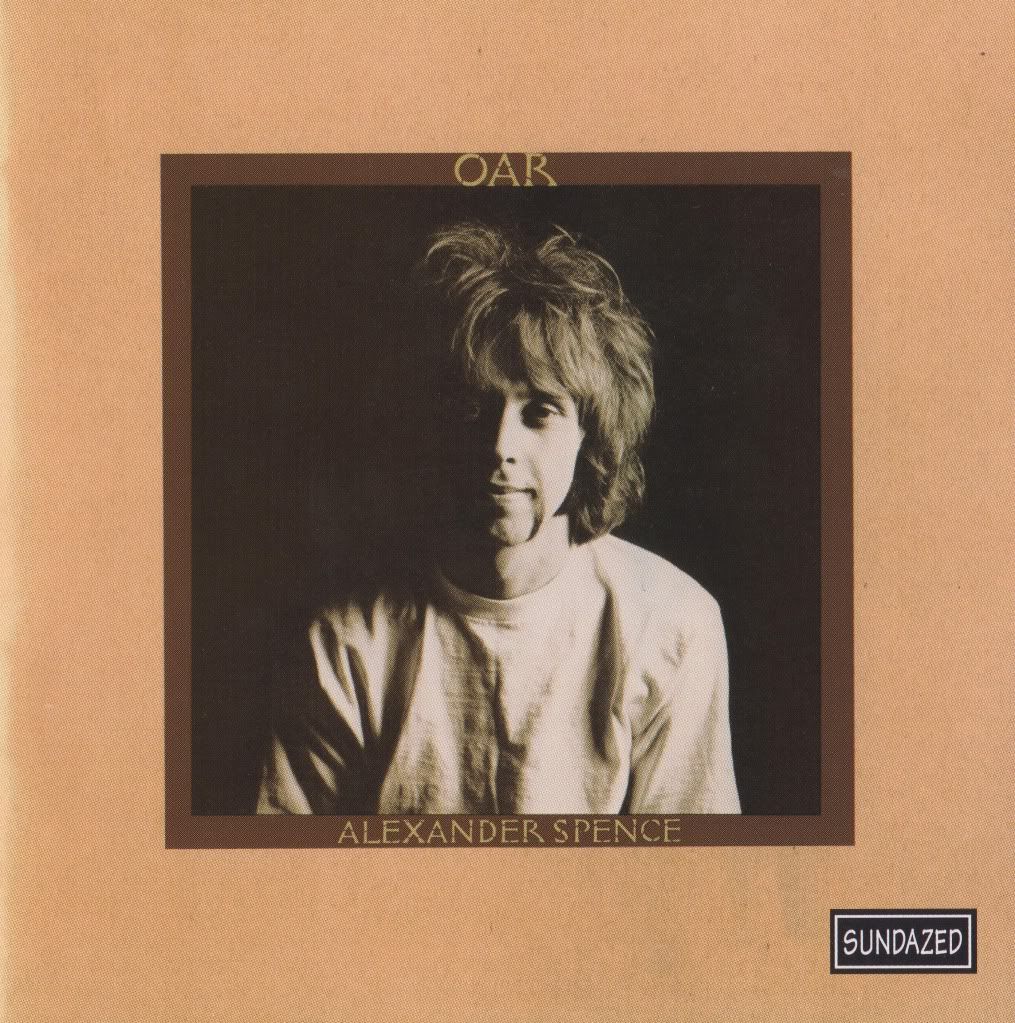
Alexander Spence - Oar


I always thought that Skip Spence was the least technically proficient of Moby Grape's three guitarist/vocalists, but that he always made up for it with unmatched manic energy and that unquantifiable magic in his songwriting that few career songwriters manage to conjure.  Of course, by 1969 and the release of this much-celebrated (but still obscure) solo album, Skip (now billed as Alexander) was long gone from the ranks of Moby Grape.  There's a lot of mythology surrounding Spence's departure from the band, his time in Bellevue Hospital and the genesis of this album, which has generated a sort of Syd Barrett-like reputation for Spence as some sort of acid messiah.  While I think it's easy to project an impression of the man's mental state onto this collection of songs, I think it holds up as fascinating and idiosyncratic work without reading too much into or presuming too much about its creator's psyche.

Probably the album's defining characteristic is that it was recorded in seven days with Spence playing all of the instruments (mostly guitar, bass and drums), which gives the album a loose, tentative feel that occasionally comes across as sort of half-assed and shambling.  What continually fascinates me on repeated listens, though, is that the rushed, uncertain mood sort of fades away like a patina being polished to reveal songwriting that's often full of musical nuances and clever wordplay and not nearly as tossed-off as it seems.  Like Syd Barrett, Spence has a reputation for sort of spontaneously firing great material straight out of his drug and illness-wracked brain, but I think he's a lot more in control than the songs' cowboy ballad structures and sketchy, plodding arrangements would suggest.  Take the tongue-in-cheek mockery of Eastern religion-obsessed hippies of "Dixie Peach Promenade," the hilarious wordplay of "Broken Heart" ("an Olympic super swimmer whose belly doesn't flop/a super race car driver whose pit it can't be stopped") or the more somber punning "weighted/waited" turnaround of the country lament, "Weighted Down (The Prison Song)."  Spence clearly has a knack for sharp satire, a taste for evocative images and an eye for the overall structure and flow that is so crucial to "classically" good songwriting. 

While the album's songs veer toward a folk/country ballad style more often than not, it wouldn't have gained its cult status without some overt psychedelia--the opening "Little Hands" has the album's most hippie-ish message and amply demonstrates Spence's ability to blend droning acoustic guitar with clean electric parts for a unique texture.  This palette reappears on the hazy "All Come to Meet Her," the closer, "Grey/Afro," which drones a little aimlessly but pays off with some cool bass/drum interplay at the end, and the album's psychedelic crown jewel "War in Peace," where Spence's delay and reverb-treated whispery vocals float above a sinuous, repeatedly swelling chord progression that finally breaks open with some understated but well-chosen lead guitar notes.  Spence's delayed vocal sound effects twitter in between blooming guitar strums as the song fades out over a forgivable ripoff of the "Sunshine of Your Love" riff.

I sometimes wonder what this album had been like if Spence had demoed the songs and rehearsed a lot more before going into the professional studio.  It certainly would have smoothed the rough edges on some of the wheezy vocals and tightened up the tendency of the drums and bass to emulate drunken lurching (hear both on "Lawrence of Euphoria").  Then again, I think the ragged feel is part of the album's charming appeal--it's almost like a trick, duping the listener into believing the music is garbage when in reality all of the most important melodic, structural and creative elements are there in droves.  Consequently, the low-key sound means the songs are never really obtrusive despite their psychedelic tinges but anyone really paying attention will be rewarded by Spence's craftsmanship, which comes across as confused muttering if the disc is played as background music.  This deceptively casual veneer has got to be one of the reasons this album is so popular with musicians--it's not easy to pull off, and the minimalism of the album's template means the songs could be (and were) embellished in unlimited ways.  I can think of few other albums quite as effortlessly subtle, and none that do it in quite this way. 

Get it here.

Monday, October 31, 2011

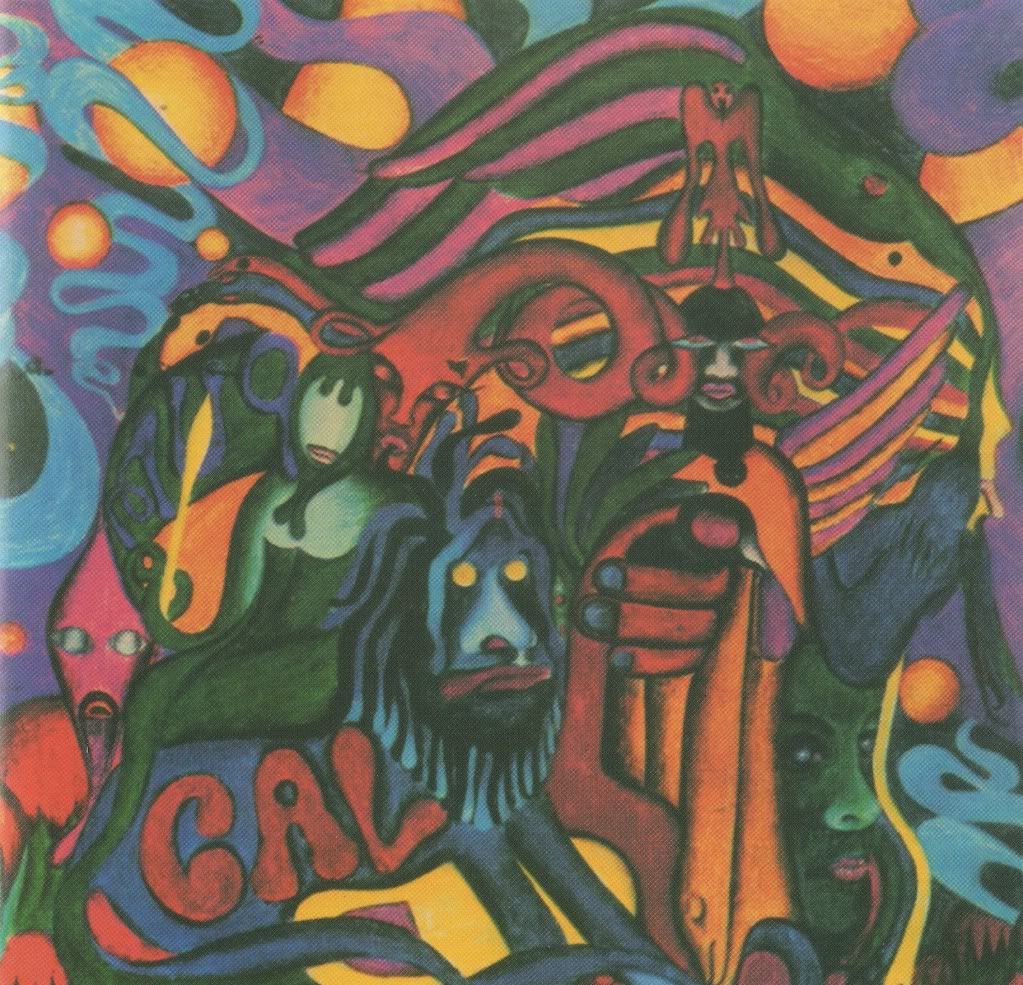
Gal Costa - Gal


A long way off from the last MPB I posted, Gal Costa's second eponymous 1969 album is firmly in the Tropicália camp with wild eclecticism, psychedelic production and bristling with the untamed energy that the Brazilian military government found so threatening at the time.  Worlds away from her more chanteuse-like debut, Gal even blows away a lot of the Tropicália competition in terms of craziness--I put it down to Gal's staggering vocal range and personality, which is self-evident on this album from the very get-go.  The syncopated beat and fuzz guitar opening of "Cinema Olympia" drops out almost immediately as Gal's seductive voice creates more of a lounge atmosphere, which soon disappears as well when the beat picks back up--by the time the chorus happens, Gal's hollering about matinee films at the Cinema Olympia over pounding snares and furious clean guitar riffing--heavy reverb and delay gradually accumulate on Gal's vocals as her wordless shouts and moans multiply before abruptly disappearing in a haze of strings...and then it's on to something completely different!  The detuned nylon string acoustic guitar and snake charmer reeds of "Tuareg" veer immediately left, and yet Costa seems to have no trouble keeping up when the bass grove kicks in and the chorus lifts the dark Eastern atmosphere back into pop territory.

It's easy to be impressed with both the stylistic breadth and quality of the songwriting on this album, and a glance at the credits confirms this gut reaction--there's three Gilberto Gil songs and two each from the pens of Caetano Veloso and Jorge Ben.  One of my favorite things about the late-60's Brazilian music scene is how communal and supportive it seems to be--all of these artists not only manage to co-exist, they also push each other into new directions and also manage to create a collective genre that's more than the sum of the bands that make it up.  The sky is the limit for the rest of the songs on this album--Gal ranges from ethnic Brazil flavor on Ben's "País Tropical," unexpectedly into sweeping string-arranged vocal pop (and a host of Tropicália artist name-dropping) on "Meu Nome É Gal" ("My Name is Gal") all the way to batshit crazy on the sound collage cut-up-cum-big band showcase for Costa's rapid delivery and upper-register bends on "Objeto Sim, Objeto Não."  Though I've got a feeling a lot of this can come across as too jumpy and frantic for a lot of listeners, the radical and immediate mood and texture shifts in this album are probably my favorite part--a song like "Com Médo, Com Pedro" snaps between quiet, jazzy strings and Hendrix-like hard rock, and Costa even trades between sexy and psychotic in the same lines!

The fact that these frenetic songs somehow hold together and make sense grouped on the same album has to be credited to both the songwriters and the backing band, who manage to not only keep up with the stylistic swings, but also to masterfully manage a chaotic atmosphere with deft control.  Listening to music like this, it almost feels like psychedelic music was created for the explicit purpose of being given to the already-able musicians of Brazil and mutated into something the British and Americans weren't even capable of imagining.  The eclectic mood, awesome power of Gal's voice, and simultaneous pop/avant garde atmosphere of this album make it probably my favorite Tropicália album, and it's also probably the most cohesively "listenable" (aside from the eccentricity) as well, since there's no obligatory six-minute tape manipulation freakout (though "Objeto Sim, Objeto Não" comes close).   If you check this out and enjoy it, good news--there's a whole lot more great music where this came from!

Wednesday, October 26, 2011

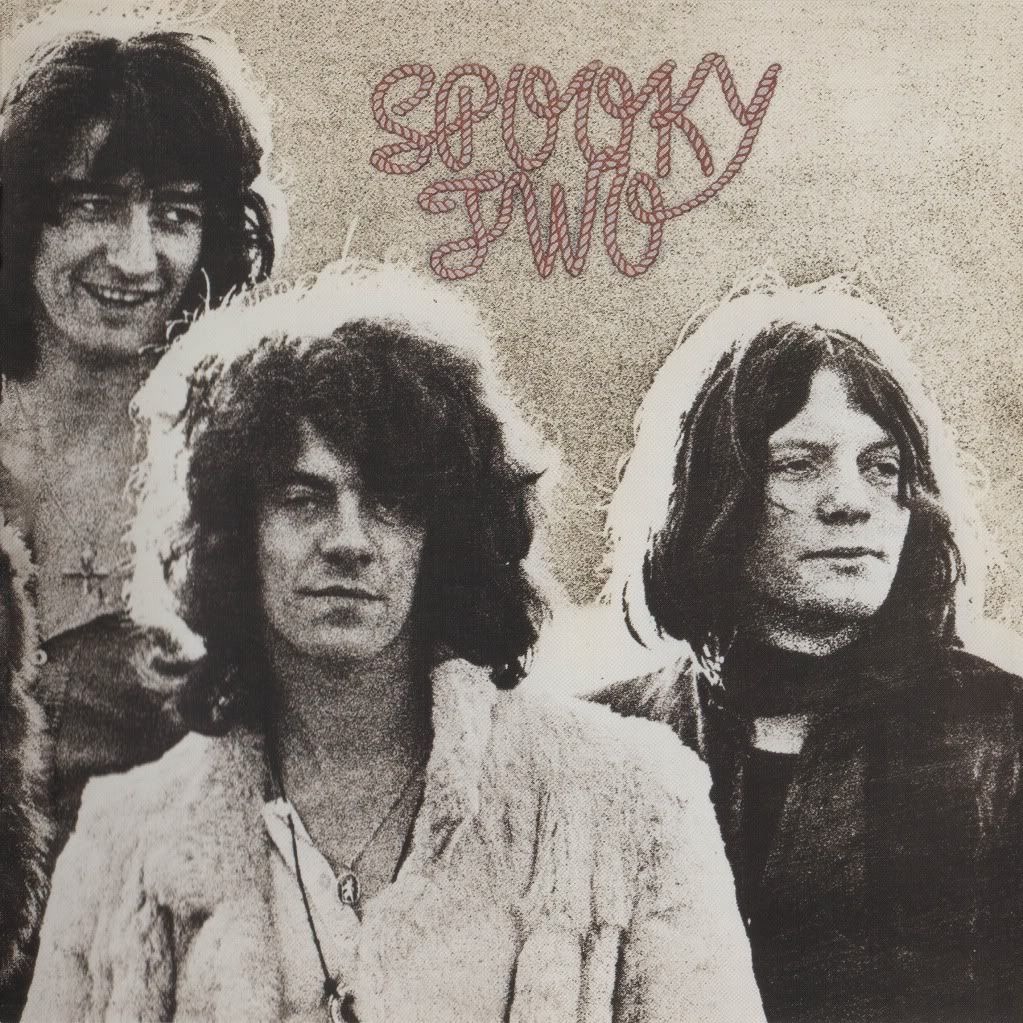
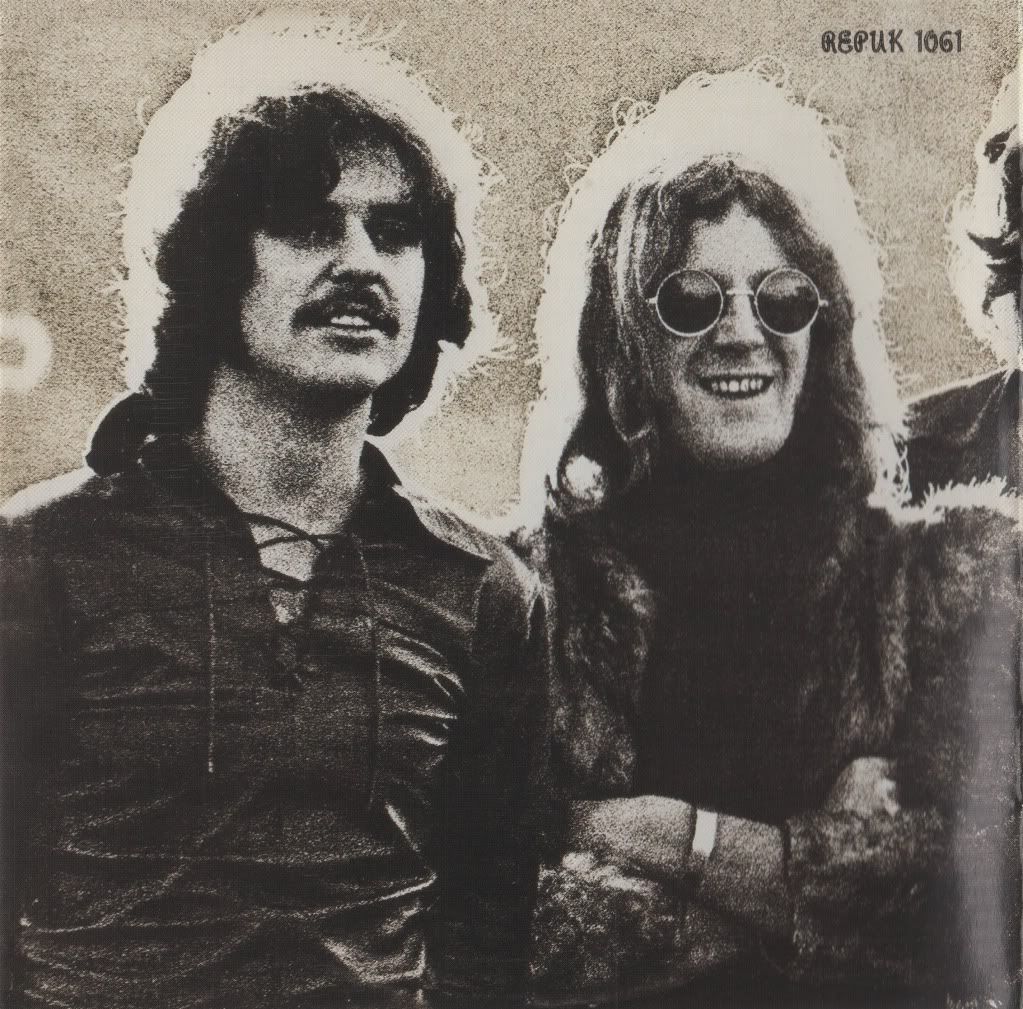
Spooky Tooth - Spooky Two


Spooky Two's 1969 sophomore effort definitely stands as one of those albums I've listened to so many times that it gets more difficult to back away and think analytically about it.  Revisiting it, though, I'm reminded just why I've listened to it so much--it's pretty awesome.  While late 60's hard rock isn't everybody's flavor of choice in 2011, for those who enjoy it I can think of few forgotten bands who do it as well as Spooky Tooth.

What I notice most re-listening to this is how well everything comes together to make the album comprehensively strong.  In the end, it's not really an album where the quality of the songs carries the music past the performances or the production masks a lack of passion or attention to detail in arranging.  Rather, all of these elements are paradoxically workmanlike yet outstanding in the way they complement each other and the overall cohesion of the album.  Take, for example, the lead-off "Waitin' for the Wind," (I love how musicians are never satisfied with just dropping the "g" when singing; they have to make sure the word ends in an apostrophe in the song title, even when the words aren't actually in the song).  It's the perfect opener--30 seconds of drum beat that gets some delay slapped on it around the 20 second mark, and finally a bass/organ riff that sounds like the heaviest thing you've ever heard.  Dual vocalists Mike Harrison and Gary Wright start singing about...well, nobody really knows what the hell they're singing about on most of these songs (something about the wind giving the narrator life advice), but it sounds awesome because they sing with such undeniable conviction.  For such a hard-rocking song, there's hardly any guitar--just on the chorus, where heavily-reverbed harmony vocals lift the energy above the already-driving main groove.  Such is the strength of this whole album--the band hits the sweet spot in all areas without really standing out in any one of them.  As far as I'm concerned, that's as worthy a musical goal as any, and a thoroughly excellent album is probably one of the hardest achievements to rack up.

Sound-wise, Spooky Tooth sets themselves apart from the rest of their UK contemporaries by slathering their sound with heavy gospel influences (the aforementioned reverb, female backing singers and a whole lot of keyboards) and maintaining a fine balance between eclectic songwriting and a cohesive, recognizable sound.  The gospel influence comes through strongest in "I've Got Enough Heartaches," where the backing vocalists share center stage as much as Harrison and Wright, and to a somewhat less classifiable extent on "Feelin' Bad," where the band wrings unbelievable heaviness out of the production and low piano keys.  Elsewhere, though, the band diverges quite successfully into poppy country rock, catchy hard riffing, anthemic folk rock, and heavier vestiges of the psychedelia of their nearly-as-formidable debut, It's All About Spooky Tooth.  Principal songwriter (and the band's only American member) Gary Wright (yes, that Gary Wright) certainly deserves credit for bridging so many styles, even if he now feels embarrassed by his falsetto singing.  On that subject, half the fun here comes from the juxtaposition of Wright's ridiculous head voice and Mike Harrison's awesomely thick, manly and soulful pipes (he's got one of the best rock voices I've ever heard, somehow able to out-Steve-Mariott Steve Mariott, at least in the vocal department).  On the subject of dual lead singers, nowhere is this more righteous than on "Evil Woman," (no, not that "Evil Woman"), probably the album's most epic cut.  The song also features what's really the only guitar solo on the album, which reminds me of my original summation of this album's balance--Grosvenor's solo is so wickedly grimy that it proves his chops in one fell swoop, yet the band as a whole acknowledges that the rest of the songs don't really call for solos and refrain from any excessive lead parts.  It's this restraint that I find most inspiring about this album--the ability to recognize what's actually best for the songs and the overall album isn't an easy one to acquire, and it elevates these guys from a second-tier group of rock journeymen to a level of judgment few big stars ever even reach.

Sadly--if predictably--the band's creative balance didn't last, with The Last Puff proving Harrison couldn't really hold up the whole band without Wright's vocal counterpoint and songwriting, and Witness showing that the duo's chemistry alone couldn't really make up for less-inspired writing from Wright and the absence of some original members.  As it stands, Spooky Two is a treasured example of everything coming together for a group, and--perhaps even more importantly--it's a glaring reminder that the conservative collection of mega hits packaged and branded by music and radio corporations as "classic rock" isn't doing us any favors when it comes to revealing the totality of good music that was produced during the period.  Shame on them for making us work so hard, but the effort is worth it when you find albums as good as this!

Saturday, September 17, 2011

Quicksilver Messenger Service - Happy Trails


While I write reviews for this blog mainly to share music I think is great in some way (or at least had potential to be great), sometimes it can be just as illuminating to focus on examples of music that represent the opposite of great.  I know I can come across as a snob here, but please believe me when I say that most of this music isn't really "bad" at all.  Instead, it's more a feeling of disappointment that this kind of music is part of the problem, not the solution--it's a deliberately missed opportunity in the continuing battle to in some way evolve music into something it wasn't already before.  So, I present to you the first installment of what's intended to be a recurring series entitled "Know Your Enemy."  This album's the perfect opposite of the impressive breadth and depth of ideas in last review's album--an album that takes about 4 minutes of clichés and stretches them thinly over an entire 50 minute album.

The popular and critical party line seems to be that this album is a classic of US West Coast psychedelic rock--a live album of unbridled trippiness and unheard-of musicianship and a landmark in its field.  Instead, all I hear is a worst-case-scenario and a band using its audience's indulgence as an excuse for some really lazy decisions.  There's a good chance you're familiar with "Who Do You Love," written by blues legend Bo Diddley and made even more famous by the likes of George Thorogood, Ronnie Hawkins and The Band, and Townes Van Zandt.  Well you're in luck--here you'll get to hear the song's verse/chorus vocal sections twice and you'll get to hear the song's riff for a total of over 25 minutes.  The first side of this album is literally a jam on "Who Do You Love" split into such "cleverly"-titled sections as "When You Love" and "Which Do You Love."  In reality it's an excuse for an extended solo from (mostly) guitarist John Cipollina which ranges from bluesy licks to...almost nothing else.  "Where You Love" gets a little quieter and I guess you could say "spacey," but the underlying 5-second chord progression is the same.  In addition to serving mainly as a vehicle for Cipollina's technically-proficient but unimaginative guitar work (he'll play the kind of repeating arpeggios or repeating string bend licks so incessantly it's easy to understand why punk rock by-and-large eschewed and abhorred the guitar solo), the song's head features unimaginably dull vocals; the arrangement pretty much stinks of white imposter blues with none of Diddley's authenticity, Thorogood's guitar muscle, Hawkins' weirdness or Van Zandt's country flair.

The cherry on top of the A-side's shit sundae is Side B's 7-minute opener, "Mona," another guitar solo vehicle centered around a blues riff that's almost identical to "Who Do You Love."  I'm not saying guitar solos are bad or that extended jamming is always a sin, but for the sake of everything good about music, institute some variety in the songs you're jamming over, or transform the blues standard into something unrecognizable before you recapitulate the head, or play something other than stock lead guitar that everyone's already heard (even in 1969)--do anything to distinguish this music, just a little bit.

It confuses me greatly that this music is labeled "psychedelic," when to me it sounds mostly like generic blues jams and is a clear antecedent to jam band music.  At least the good jam bands of the 90's had the sense to write some interesting compositions, come close to mastering their craft, or acquaint themselves with the more sophisticated improvisational tradition of jazz.  Nothing here resembles the mind-expanding epiphany associated with psychedelic drugs other than the mind's ability to become overly impressed with simplistic repetition and lose track of time during 20-minute jam.  Just because you're high on psychedelics when you're listening to a band does not make their music psychedelic.  The album rounds out with a shorter song, a more interesting Ennio Morricone-flavored Spanish instrumental called "Calvary" and an actually fun, cheesy country cover in "Happy Trails," but it's far too late--we've already been insulted by 40 minutes of repetition, aimless laziness and self-satisfied cliché regurgitation.  It's embarrassing to me that this band couldn't rise above their audience's rudimentary demands and give them something with mind-expanding jams and a collection of compositions and inventiveness that everyone could be proud of, even when they weren't stoned out of their gourds.  You, Quicksilver Messenger Service, are the enemy, and I'll do everything in my power to stop you.

If you want to catch a much more satisfying glimpse of hippie culture, check out Dino Valente's eponymous 1968 solo album--he was the Quicksilver Messenger Service vocalist but was incarcerated at the time of Happy Trails' recording.  His pop instincts probably could have elevated this coaster in the songwriting department and at least given us something to enjoy sober on repeated listens.  Music can be better!

Wednesday, August 24, 2011

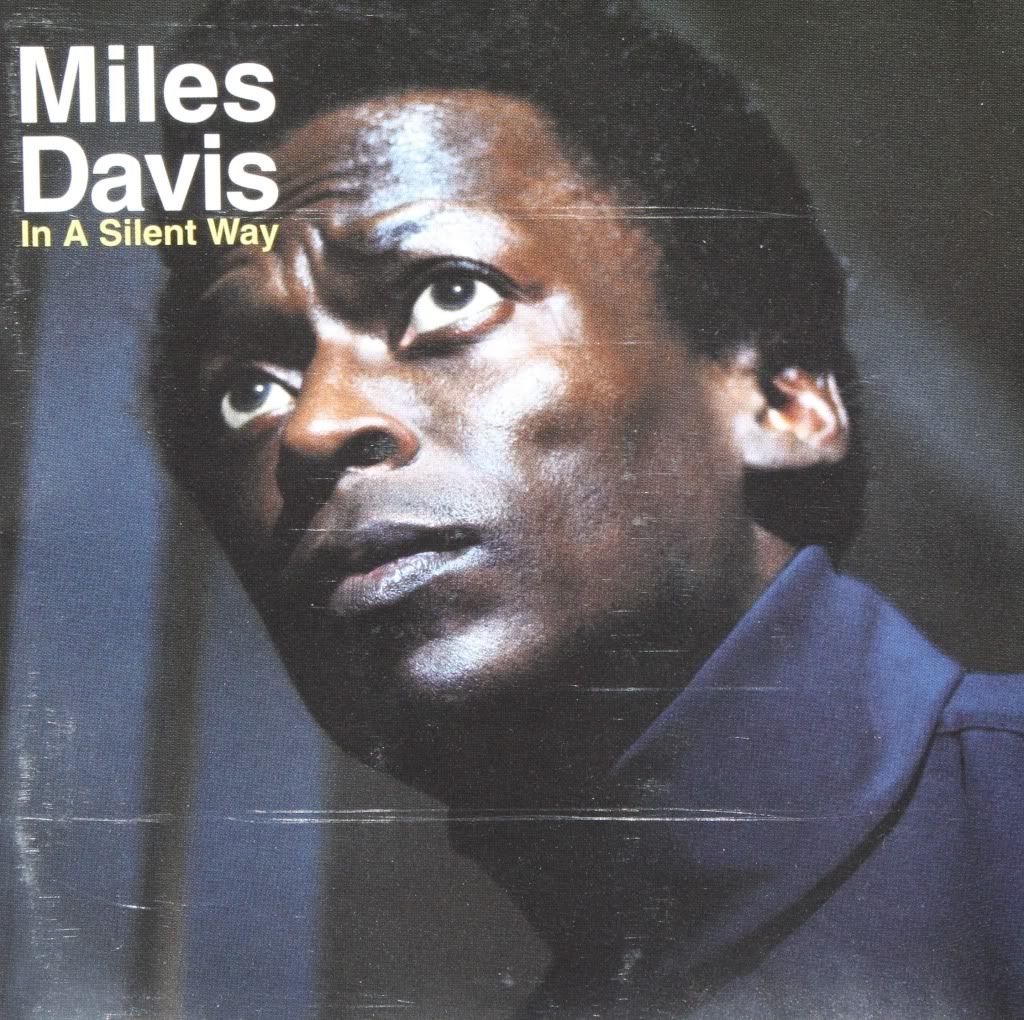
Miles Davis - In a Silent Way


From the intense turtleneck cover shot to the audacity of consisting of only two tracks to the brilliantly succinct poetry of the title (as in, "do that in a silent way" and when used like "I'm in a real bad way"), it's easy to see that In a Silent Way is a classic Miles Davis album.  With a lineup that would become a virtual who's-who of jazz fusion music by the end of the 70's (including Chick Corea, Herbie Hancock, Tony Williams, Joe Zawinul, and John McLaughlin), the album is literally a first statement of the vocabulary that many other early fusion efforts reiterated close to verbatim.

From Hancock's (or is it Corea's--they both play electric piano) dissonant opening chord cluster to the last ringing guitar notes, the album is like a warm bath of pure tone.  Historically, a lot is made both of Davis' unprecedented and extensive use of electric keyboards and electric guitar as well as his pioneering introduction of rock rhythms into the jazz idiom.  Listening over 40 years later, when all of these things are commonplace, I'm struck--not with surprise at Davis' irreverent artistic choices, but more by a sense of how much better he did it than countless other followers who managed to turn fusion from an exciting and edgy novelty to a naughty word (much like "prog," hmmm...) in fewer than 10 years.

What's the secret?  It's hard to say, but near the top of my list has got to be taste, variously on the parts of Davis as a bandleader, the rest of the players, and producer Teo Macero.  As an avowed fan, I'll take the risk and say that I appreciate Miles Davis even more as a bandleader than I do as a player.  All you have to do is look at the careers he helped start or further (from the first and second great quintets on through the 70's) to see that he had a keen ear for talent, an ability to properly employ his bandmates, and an uncanny ability to nurture them and propel them to successful, often visionary careers of their own.  While most of the artists in this band weren't fresh (McLaughlin was practically unknown, though), Davis puts them to work with impeccable taste, fusing and contrasting two electric pianos, using organ as both a tonal and atmospheric device, slowing the guitar down in its statement of major melodies and laying out its full harmonic range, and employing an unbelievably great rhythm section (Dave Holland and Tony Williams) in some of the most boring and repetitive patterns seen in the history of jazz--because it's what the compositions need.

On the part of the players, infallible taste crops up again and again in their willingness to leave space for each other (after all, it's a pretty big band--show me footage of Davis from the 70's or 80's ever attempting to wring so much quietness out of such a large ensemble) and space for nothing at all.  Players take relatively long breaks between phrases, allowing the timbral subtleties to contrast without competition, and the keys and especially the guitar manage to produce enough jaw-dropping fills that full-fledged solos seem unnecessary.   Wayne Shorter's role on soprano saxophone, limited though it is, has got to be one of the most restrained and atypical soprano performances I've ever heard.  For his part, Miles provides undeniable cool (even quoting [or self plagiarizing, depending on how generous you want to be] his landmark "So What" solo in "Shhh/Peaceful") as well as just a bit of speed when the energy ramps up.  The entire performance, really, exudes an air of collective purpose that melds Davis' well-established cool with a sort of spare, breath-holding restrained energy--while few jazz albums even have a collective purpose, even fewer actually pull it off.

Likewise, Teo Macero's contributions to this (and numerous Davis albums to come) are integral to the album's success.  While I feel it sort of breaks the final studio album's inimitable spell, the Complete In a Silent Way Sessions box set makes obvious the differences between the traditional ballad style and final album version of "In a Silent Way" (the song) as well as the longer jams and final versions that were "It's About That Time" and "Shhh/Peaceful," differences which seem like insurmountable gulfs.  Macero's editing provides subtle but crisp breaks that punctuate the otherwise homogeneous extended tracks, especially within "Shhh/Peaceful" (listen for those lower-register electric piano riffs) and right before the "In A Silent Way" theme is repeated right at 15:35 in the second track--these moments of gentle juxtaposition, heretical as they may be to jazz's organic and spontaneous origins, are pure magic.  While the entire album has been accused of not going anywhere (though I believe describing the music as ambient or even proto-ambient is a laughable proposition; let's not confuse a de-emphasis on obvious melody with a genre solely focused on exploring one--and only one--of music's many great characteristics), I think the beauty lies in the subtlety--crank up the sound to soak up those glorious analog keys and guitar, and by the time the crescendo in "It's About That Time" happens, you know that things are changing.  I think Macero's editing is again crucial, since the songs--long though they are--use vaguely classical structures to state themes, travel elsewhere, then return.

Like I hear it is for many people, Miles Davis was one of the very first jazz artists that got me more interested in trying to understand and enjoy the genre.  The more I explore avant-garde and free jazz, the more I realize that while those movements are aimed at stretching the expressive, compositional and pure sound aspects of jazz to the fullest extent, Davis never really went that direction and was almost always focused on jazz as a pop form.  Now, both approaches are equally valid and I'm not saying "pop" as in lightweight, lowest-common-denominator or shallow, but rather as an ideal of accessibility and an attempt to acknowledge what the people are listening to.  As he began to transcend the trappings of cool, modal and bop forms of jazz, Davis attempted to combining jazz with other forms of popular music, including rock, blues, R&B, funk, and folk music from around the world in effort to keep the genre evolving.   While it worked brilliantly more than once for Davis and nearly as well for some others, it's debatable whether it was healthy for the genre's identity in the long run to continue attenuating its key characteristics and adding more and more generic content (much like what's happened to country music since the 70's).  Stuffy historical observations aside, In a Silent Way remains a revelatory experience with every spin and a great jazz album for people who don't even like jazz. 

Tuesday, July 12, 2011

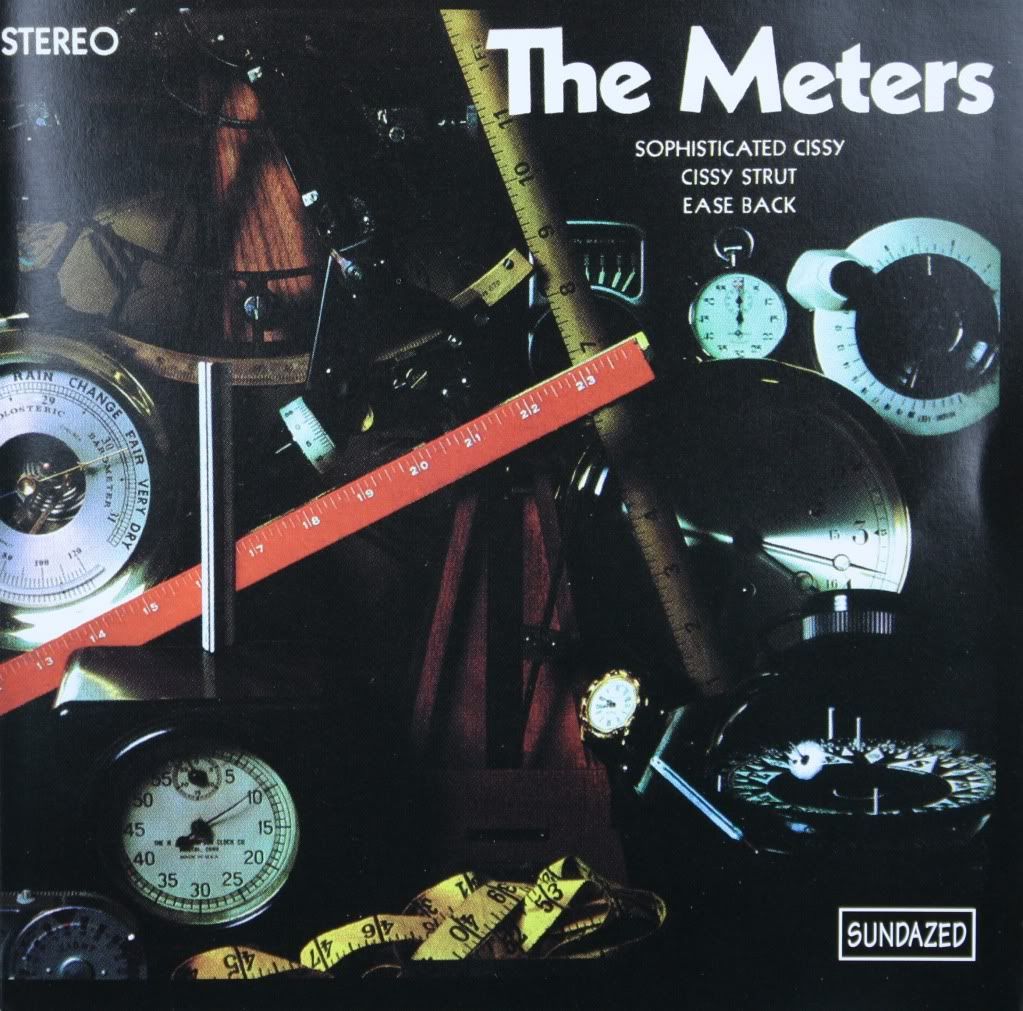
The Meters - The Meters


The Meters' 1969 debut can easily described as a distilled quintessence of what funk is.  In my opinion, it's also early enough to be considered a pivotal and influential step (along with things that James Brown was contemporaneously doing) in that slight shift in direction from R&B and soul that first resulted in what' now commonly known as "funk."  Though The Meters had already established themselves (and would further do so) as backing musicians for Allen Toussaint-produced artists and many others, they really sprang forth fully-formed with a distinctive group identity on this album.

What I love about this album is the beauty of its simplicity--the band serves up 12 indelibly fresh cuts of clean funk using only drums, bass, guitar and organ.  Despite the limited instrumental palette, each and every song is brimming with melody, hooks, energy and variety.  Because of the clarity in the band's approach, it's easy to discern the elemental form of funk that they're innovating.  The first beat of the measure is almost always heavily accented (wouldn't James Brown be proud), and the playing is so tight it's unbelievable.  The simplicity of Zigaboo Modeliste's drumming belies his impeccable precision and sense of timing (nobody could be more in-the-pocket), and the way it interlocks with George Porter's bass really gets at the point of the visceral grooves that make up the backbone of all good funk.  Leo Nocentelli's guitar tone is clean, for the most part, stating the melodies with the support of Arthur Neville's organ, but occasionally delving into melodic (but never overly-flashy) soloing and fills.

What I love about this and Look-Ka Py Py (their second album) is that they both embody the spirit of funk but manage to do so in a pop song context--the hypnotic rhythmic jamming of James Brown's 10 and 20-minute songs isn't present, but the same rhythmic principles and precise syncopation and dance-ability is.  Both approaches definitely have their virtues, but Brown's longform excursions can sometimes be a bit lengthy for some attention spans.  It's pretty amazing to imagine that, at one time, music like this had potential to chart (if only modestly); "Cissy Strut" charted on the R&B charts and is a perfect example of the band's more laid-back tunes.  My other pick is the infectious, up-tempo instrumental version of Sly Stone's "Sing A Simple Song" (difficult to relate to the original, save the ascending scale in the chorus) which perfectly exemplifies the bitchin' synthesis of drums, bass, overdriven guitar and keys.  Surely no modern band could have a hit with music like this, and isn't that a shame?

A while back when I heard that some of my favorite contemporary funk bands like Galactic held The Meters in high regard, I started checking out their mid-70's albums like Rejuvenation and Fire On The Bayou.  They're good albums, but by then the band's sound had become more mainstream and vocal-oriented--my jaw certainly dropped when I finally delved further into their back catalogue and understood what all the fuss is about.  If you want to comprehend just why The Meters remain one of New Orleans' best-kept secrets and cultural treasures, listen no further.

Get it here on CD, or here in MP3.

Tuesday, June 28, 2011

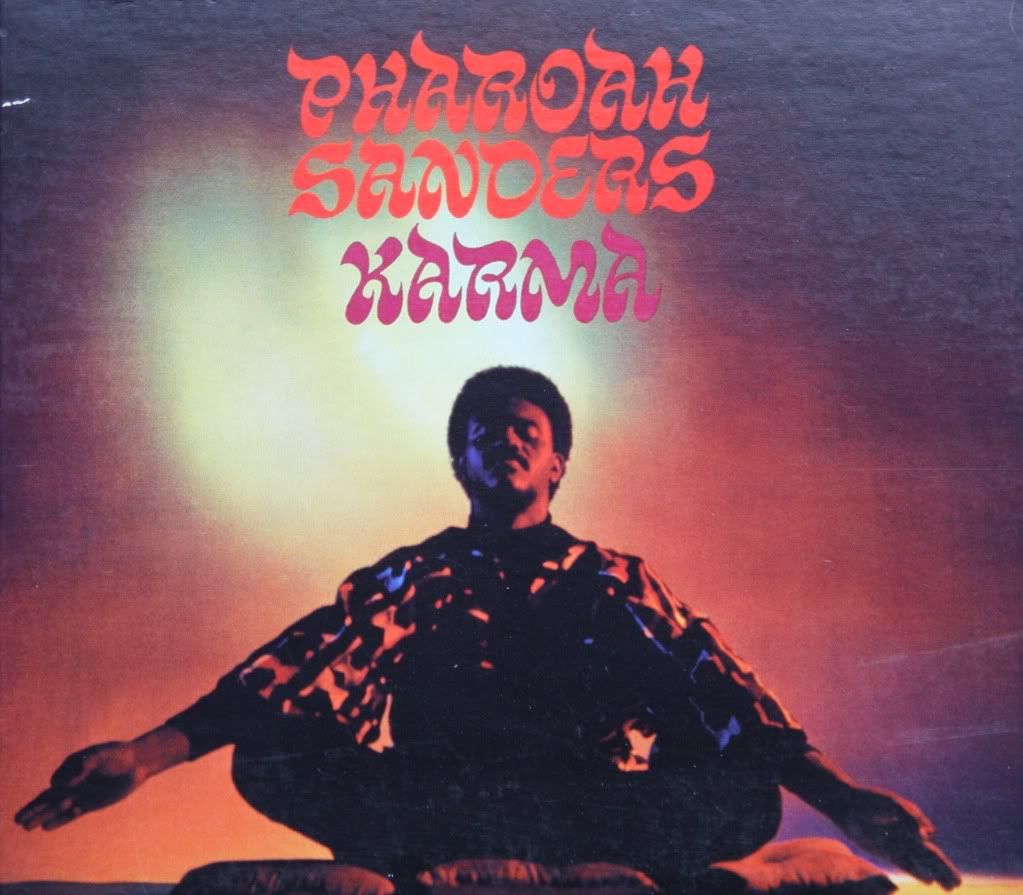
Pharoah Sanders - Karma


In my nascent explorations of avant-garde and free jazz I've heard Pharoah Sanders' name numerous times (he first achieved notoriety playing tenor in John Coltrane's combos and influenced Coltrane's move to free jazz), and I've seen Karma, his 1969 breakthrough solo album, near or at the top of quite a few lists of the best free jazz albums.  Unfortunately, though, personal tastes don't always jive with popularity, and this album stands as my first big free jazz disappointment.

There are so many flaws and annoyances that easily come to my mind, from the obvious (atrocious lyrics--hell, the fact that it even has vocals at all) to the less obvious (the fact that there's almost no harmonic development over the course of a half hour, and the fact that Sanders' saxophone, which sounded so blistering on John Coltrane's Ascension, occasionally comes dangerously close to sounding like SNL opening credits/softcore porn soundtrack) that I couldn't even imagine calling this one of the best albums of the free jazz movements.  The first time I listened to "The Creator Has A Master Plan" and Leon Thomas started going "Yeah yeah yeah yeah yeah..." I was thinking, "Oh no, is that what this is about?"  The lyrics, few though they are, are among the worst of the era for their painfully broad, facile peace n' love message, and they get even worse on "Colors," where the hoped-against happens again--"yellow....purple...." Is he really going to sing-list all of the colors as an illustration of how great god is?  Yes, he is.  And then there's the wordless vocal soloing--while I don't really mind Thomas' yodel phrasing, his improvisation here is a perfect example of why I have yet to be satisfied by a vocalist in a group improvisational setting--the lines he sings are the kind of generic, simplistic soul runs that any average music listener would likely attempt if told to sing a solo over this music.  If this album is supposed to be some sort of pinnacle of free jazz--a genre supposedly anchored on unbridled freedom of expression, especially during soloing, then this sort of repetitive, rudimentary technique just comes across as middling.  Let me put it this way--if a saxophone (even with Pharoah's tone) played the notes that Thomas sings, it'd probably be lambasted as one of the most boring solos ever laid to tape.

Ok, so the vocals are a major detractor. Take them away, and what do we have?  Well, for the most part, we've got two chords for over a half hour's worth of music.  That's dangerous territory--with a harmonic compositional structure that lazy, you've got to provide some variation in other ways.  Miles Davis would do it the same year on In a Silent Way by adding and subtracting instruments, adding and removing subtle repeating riffs and themes, and allowing the energy to gently ebb and flow, then in 1972 he'd perfect the technique with On The Corner's merry-go-round of instruments, textures and rhythmic shadings.  Here Sanders offers a mildly dynamic development with the percussion, which is one of the biggest draws of the album--it's definitely a thick sound, and when things ramp up around the 18-19 minute mark, it gets exciting.  However, the piano and bass are both pretty rigid, and other than Pharoah's saxophone we have nothing to keep things fresh for around 20 minutes of the album.  Other than the borderline cheesy sax sound (Sanders can't really be blamed too much for how much his sound influenced much worse soft jazz artists to come in the past 40 years), the minor-key opening flourish offers a change in texture and mood, and again around 11 minutes.  So, for structure and development, we have to be satisfied with a lot of repetition and a general energy buildup that reaches a series of intermediary peaks before really topping out around the 20 minute mark--and make no mistake, this album exudes structure, which is disappointing considering its prized place representing a jazz movement that moved continually away from structure; I can't help feeling that there simply isn't enough compositional substance there for track's length and that an opportunity to make a much more interesting backbone for Sanders' soloing was missed in a big way.  To be fair, the noisy, atonal section that happens from about 20-25 minutes is pretty great--all kinds of cacophony and the Sanders soloing I had assumed would be the centerpiece of much more of the album.  The crescendo paces itself (what else could it do in a 32 minute song), and for that reason it's pretty effective.

Really, Sanders shines throughout with his thick timbre, trilling and melodicism, but it's a far cry from the crazy religious expression some descriptions would have you believe.  Instead of something other, we get something mostly familiar and only occasionally rapturous--for the most part telling us how great god is rather than showing us.  Though the resulting music's mainstream approachability won Sanders some much-deserved popularity and success, I think it falls far short of what the free jazz movement has to offer in terms of spirit, theoretical development, and actual other-worldliness.  Can't win 'em all.

Decide for yourself and get it here on CD or MP3.

Thursday, February 17, 2011

Robbie Basho - Venus in Cancer

Photobucket was scared of this photo and wouldn't let me upload it, because a naked woman = pornography.
This is easily Robbie Basho's most celebrated recording, most likely due to the tragic state of his legacy--it's one of only three (counting the fact that the entirety of The Grail and the Lotus is presented on the Guitar Soli compilation) of his original studio albums that's available today on CD.  Despite this unjust reality, Venus in Cancer is one of the better Basho albums, so we can at least be glad that what's out there does the man's contribution justice. 

In a lot of ways, I consider this album to be Robbie Basho's study in arpeggio.  Instead of the gale-force sonic flurry often heard on his earlier albums, here we get gentle, climbing guitar figures in which each individual note is audible and easy to savor.  For me, the two six-string pinnacles of Basho's Venus in Cancer style are the leadoff title track and "Kowaka d'Amour."  The former is a tentative, searching piece that sounds partly improvised--there's not necessarily an explicit melody, but the piece has an overall melodic flow and the mood progresses from mysterious to soaringly sublime at a majestic pace.  The latter song is like a darker, moodier shadow of the opener (perhaps like the astrological cover art suggests), with more of a minor, Eastern feel, but still an emphasis on space with a lot of the playing in arpeggio form.

Aside from these two brilliant solo guitar pieces, we get three vocal tunes and a 12-string instrumental.  It's customary--nay, obligatory--when writing about Robbie Basho to comment on his "love it or hate it" voice.  People love pretty guitar instrumentals, but they don't want to worry about weird.  Basho's vocal style is undeniably unconventional, but I'd argue that it's also tough to deny his ability.  If you can listen to "Eagle Sails the Blue Diamond Waters" without being moved, you've got a harder heart than I.  For me, it's not the timbre or style of Basho's voice that's an issue--I think it's marvelously unique, especially in combination with his guitar style--it's more of an issue with his poetry, which is often a bit florid (see "Wine Song").  But somehow, it all fits together here--I think "Song for the Queen" is one of the best realizations of Basho's combined guitar/vocal vision, with an aura of stately mystery that meshes well with the track's french horn and string arrangement. Out of the man's entire discography, I think the vocals work best here--far better than the less distinctive Basho Sings! and probably also even better than the vocal-heavy The Voice of the Eagle.  Regardless, Basho's vocals will probably always be bound turn off a number of those listeners who are merely looking for another John Fahey.  To the initiated, though, it's clear that Basho had a different purpose and for better or worse wasn't willing to go all-instrumental.

Venus in Cancer is a pretty good place to start with Robbie Basho--I still remember my first listen, standing out in the late summer sun painting a barn door, watching birds cross overhead and marveling at the man's passion and ability without really understanding the extent of his vision.  A lot of my favorite albums have taken years to fully appreciate, but I can still vividly remember that first unknowing encounter--this is definitely one of them. 

Out of print, but For sale used here.