Showing posts with label Experimental. Show all posts
Tuesday, June 26, 2012
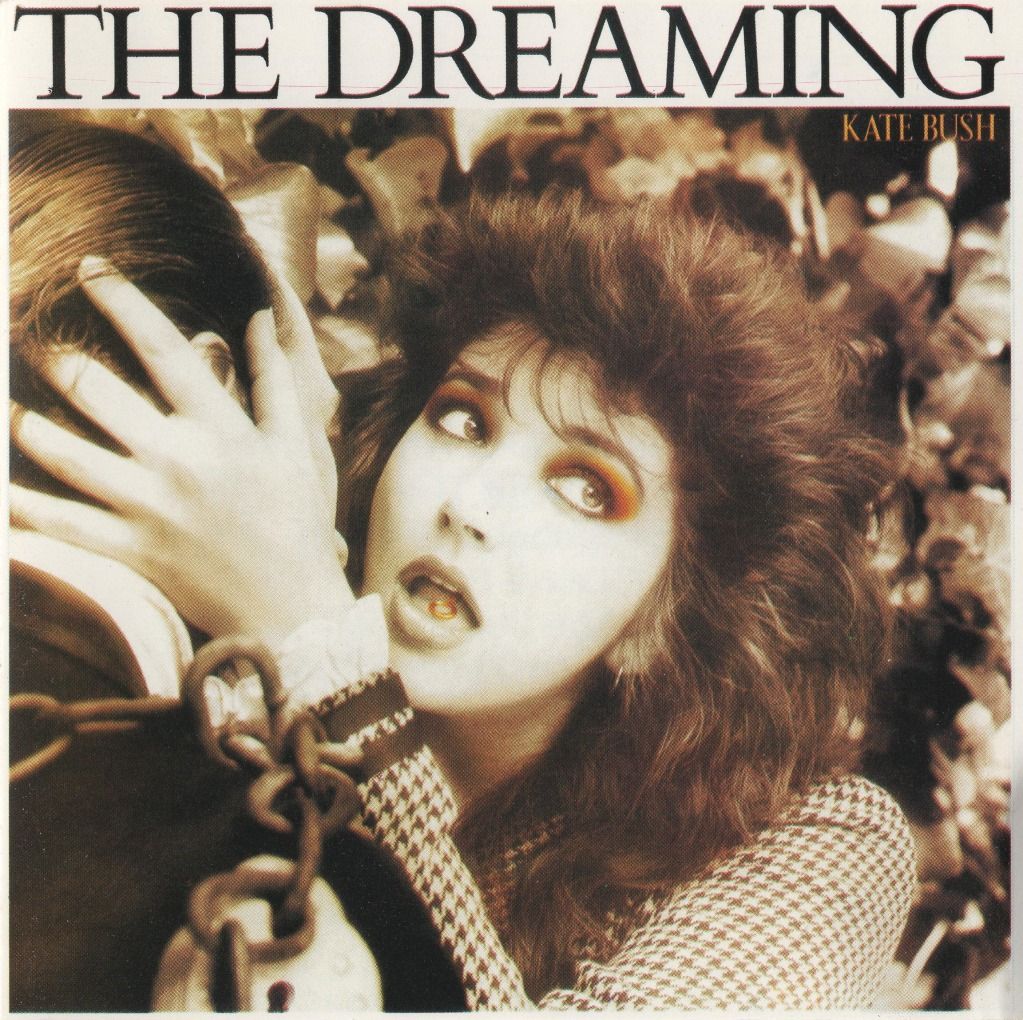
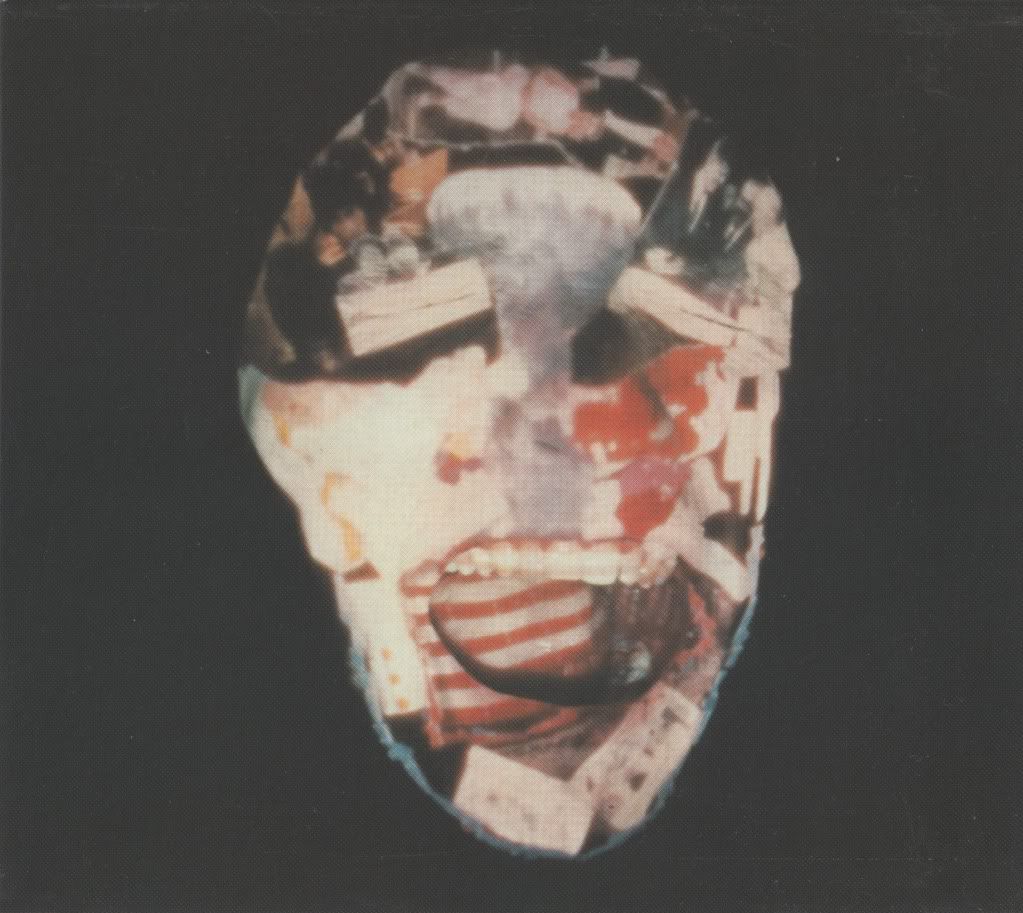
Kate Bush - The Dreaming
The Dreaming--Kate Bush's fourth album, arriving less than five years after her debut--has got me thinking about a whole mess of different things. Approaching her music fairly indirectly (not having been around when the music was new [no real change there!], or being a hardcore fan, and not having much of an interest in 80's pop music) made for slow progress in appreciating it, but a couple of years have provided an enlightening and broadening experience in getting to know and learn from this music.
While I agree with most fans that Hounds of Love is her most distinctive and cohesive set, this album makes a close second for many of the same reasons. Partially fulfilling her move toward tighter pop structures and chic sounds of the day, the songs here continue to move away from the more traditional (especially piano-dominated) instrumentation of her first albums into an area where 80's synths and effects surround the songs' core piano parts and multi-part structures juxtapose wildly different styles within pop-length tracks, with Bush's multi-tracked vocals calling and responding in an often bizarre array of different vocal deliveries. Needless to say, these songs can come across as difficult to penetrate at first, a fact that's not helped by the fact that the late-80's CD reissue is in dire need of remastering, making the already-difficult songscapes even tougher to perceive because of the mediocre sound reproduction.
Nevertheless, this shit's awesome! What's especially interested me lately is the fine balance Bush strikes between weirdness, progressive and experimental complexity, and pop accessibility. When I say "weirdness" I mean things like singing in a weird voice (like those shrill backing vocals that nobody else has really done the same way), laying a really strange-sounding effect on a guitar line, or singing Australian narratives and utilizing native Australian instruments. Weirdness is a great attention-getter, and is a great way to make music distinctive and set it apart from the vast pack of musicians out there just trying to make something that sounds pretty and inoffensive in hopes that it'll appeal to the largest audience possible. However, weirdness alone isn't enough to keep my attention long-term. Really, the lukewarm feelings I get from a lot of today's music come from a feeling that weirdness and style often outweigh the actual content of the songs, music, lyrics etc. Not that every artist should be changing time signatures every two measures and shredding ridiculously difficult guitar parts for music to be considered good, but there's more to making some distinctive music than singing a tired indie breakup song in an overwrought plaintive voice over eighth-note staccato power chords.
What I love about Kate Bush is how well she backs up her weirdness with musical substance--every song has a discreet feel, be it narrative or more philosophical, and upon close examination it seems that every element of the song is carefully tailored to fulfill the song's conceptual promise, from playfully poetic lyrics to song sections that brilliantly channel Bush's twisting moods with shifting timbres and pacing (see "Pull Out the Pin," "Night of the Swallow") to vastly differing stylistic experiments between pounding, expansive rock like "Sat In Your Lap" and waltzing existential pop like "Suspended in Gaffa."
Finally, I'm continually amazed by how poppy the music ultimately is--in spite of the fact that she's often reimagining and further developing a lot of concepts explored by then-and-now-villified progressive musicians when the genre was all but completely forced from mainstream interest, Bush manages to maintain a pure, sincere emotional core along with a buoyant conciseness that makes these songs accessible in spite of their complexity. Even more, she's still making new fans 30 years later in spite of the extreme 80's vibe, although that's a retro aesthetic that's still currently regarded as "ok" with today's young music fans. I'm sure it doesn't hurt that her visual aesthetic pretty much rivaled her musical one--if only today's pop songstresses could back up their audacious imagery with such equally challenging music! Anyway, good on KB for proving that great pop doesn't have to skimp on nuance, and for helping me expand into some new musical areas. This makes me want to check out some of her more recent work...
Get it here.
Wednesday, May 16, 2012
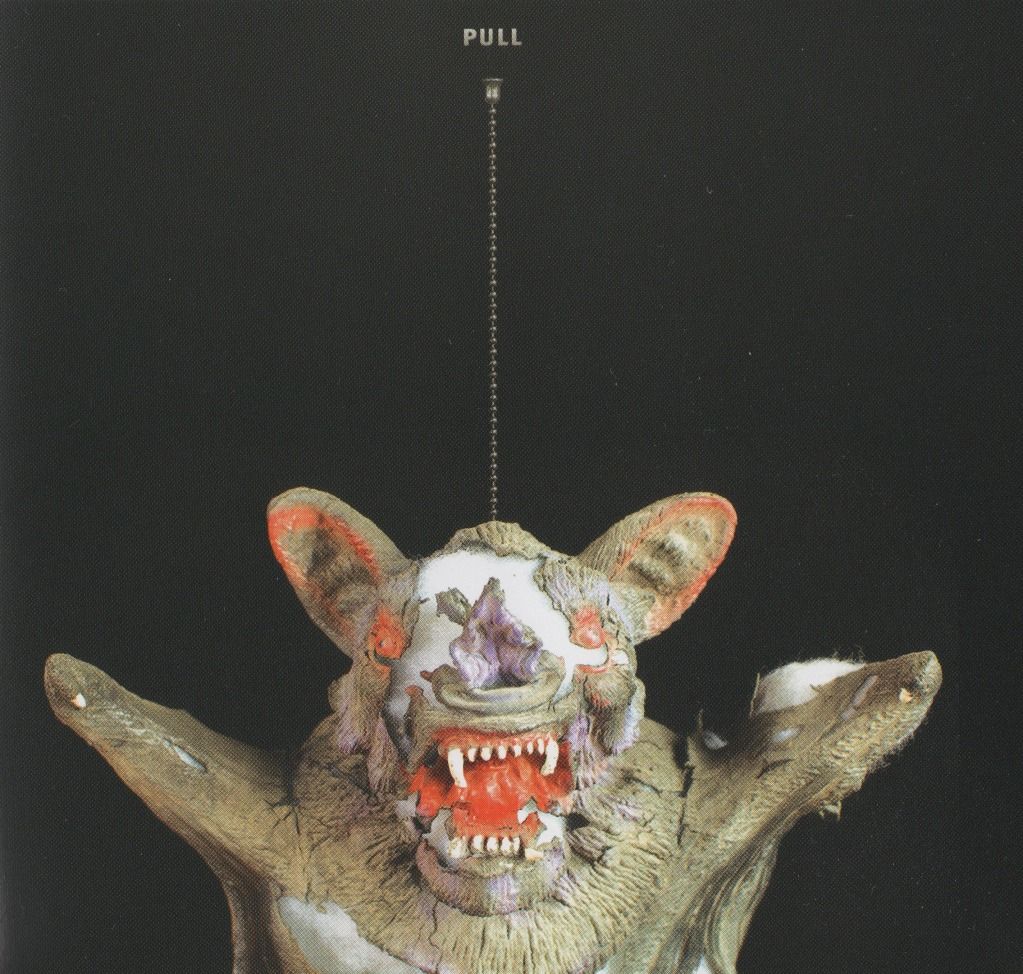
Captain Beefheart - Bat Chain Puller
It's been well over a year since I kicked off the reviews division of this site with a review of Captain Beefheart and the Magic Band's Shiny Beast (Bat Chain Puller), and considering how much the Captain's work has continued to influence my approach to music and writing I'm surprised I haven't waxed poetic about any of his other classic albums. Technically, today still isn't that day--I'm here to gush about the "brand new" 2012 Captain Beefheart release, the lost 1976 first studio version of Bat Chain Puller, just released this spring (to disappointingly limited fanfare) on the Frank Zappa record label and nearly exclusively available for purchase here (which just might be why the album's gotten so little press).
To describe the genesis of this release briefly, Don Van Vliet decided in 1976 to return to the avant-garde and stage a creative comeback. Herb Cohen (Frank Zappa's manager) secretly used Zappa's money to fund the project and the two had a falling out upon Zappa's return from tour, resulting in Cohen's seizure of many of Zappa's assets, unreleased Bat Chain Puller masters included. Zappa eventually reclaimed his property through legal means, but by that time Van Vliet had re-recorded most of the material on his final albums. Since then Zappa, and now his widow Gail, have been busy enough managing Zappa's gargantuan legacy that the tapes have remained neglected in the vaults...until now!
With 10 of 12 tracks already appearing on Captain Beefheart albums that have been available for 30 years, the biggest worry with Bat Chain Puller is that it'll come across as merely supplementary to those "definitive" versions, or worse that it'll sound only partially complete in comparison to the later recordings. Thankfully, the disc falls prey to neither possibility, playing like the hazy, dream-like album-that-never-was that it's always been!
After listening to these different versions of familiar songs and becoming familiarized with the new track sequencing, I'm left with the strong impression that this album has an undeniably distinct feel, especially in relation to Shiny Beast (Bat Chain Puller) in terms of its accessibility. Compared to Shiny Beast's almost exclusively song-based program, this Bat Chain Puller is very much a venture split between songs, spoken word-over-music and pure poetry. Sure, it's still considerably more mainstream than the hallowed stuff of Doc at the Radar Station, but even compared with Doc's orchestrated prickles, the poetry/music tracks here feel much more spontaneously arranged and the sonic palette more often unexpectedly drops down to just one instrument or Van Vliet's voice in some very effective instances.
Perhaps as expected, some of the material here isn't significantly different from later versions--the arrangement of "Harry Irene" (never one of my favorite later Beefheart tracks, but an important contributor to this album's accessibility) includes guitar, but otherwise isn't much different. The title track has its own subtle identity (further shaded by a third version here in bonus track form), bristling with kinetic motion (it's easy as ever to hear how Van Vliet originally pulled the rhythm from windshield wipers), more of an organic feel with cranked harmonica and just-barely-conflicting guitar layers (though the ever-important synths are still there) and outstanding vocal delivery (dig the the naked place he takes "their very remains and belongings"). Right off the bat, my highest hopes are kindled--one of my disappointments with later Beefheart albums is the marked reduction in the elasticity of Van Vliet's voice and additionally, in the case of Ice Cream for Crow, an overall dip in energy and compositional effort--here the Captain's voice still possesses a razor's edge and he takes enough risks that we can almost forgive him wasting the early/mid-70's trying to become a mainstream star. "Owed T'Alex" burns with a reinvigorated closeness that's magnified further on "Floppy Boot Stomp," where the band's joyous delirium pushes the vocals so close that it sounds like the Captain's ranting all the way inside your brain.
The most exciting aspect of Bat Chain Puller, of course, is the brand new material, namely the poetry/music hybrids "Seam Crooked Sam" and "Odd Jobs." The former is a moody guitar/electric piano duet with Van Vliet's downbeat-yet-intense images spinning seemingly unrelated on top, while the latter is more of a full band piece with tunefully-spun vagrant imagery while the band shifts ever so slightly into what must be the first kernel of Shiny Beast's "Tropical Hot Dog Night."
Evaluating these pieces has helped me identify a couple of the specific traits that make Captain Beefheart one of my top favorite artists--first, it's the way his poetry mirrors the music, flowing smoothly then stopping, jerking, suddenly rhyming or playfully riffing off of a phrase's connotations or expected syntactical outcome. Unsurprisingly, Van Vliet chooses words like paint colors on a palette, not necessarily concerned with their logical or expository value but rather their energy, emotional color, and the way they sound. When I hear these songs, there are countless unexpected images and feelings popping into my head, and I can't think of too many other poets in the popular music sphere who can achieve that. And yet, there's a strange logic or narrative to many of these pieces--what at first seems like incoherent rambling in "81 Poop Hatch," for example, gradually reveals itself to be an impressionistic panoramic scene including Van Vliet's beloved natural imagery as well as a view of his internal landscape--at least, that is, until he leaps mid-sentence to somewhere completely different; every piece seems to be at its root a rational enigma with unlimited emotional potential.
Secondly, the compositions here are a dazzling presentation of Van Vliet's painterly approach implemented in yet another aspect of the music. More than on any of his other albums we hear open, warm-sounding jazz harmony on songs like "Seam Crooked Sam" and "Ah Carrot Is As Close As Ah Rabbit Gets To Ah Diamond." Again, though, Van Vliet applies these combinations of notes intuitively and without regard to how theoretical rules say they're "supposed" to be used. Fragile, sweet harmony can dissolve into dissonant, minor darkness just as quickly as it can pursue a completely fresh melodic path, as evidenced on "The Human Totem Pole (The 1,000th And 10th Day Of The Human Totem Pole)," one of two album-closing commentaries on the human race's cumulative achievements (or lack thereof) and precarious current position on earth. Here he fuses this weird compositional approach with one of his more straightforward (yet most compelling) poems, sketching a partially-obscured picture of the skin-crawling, comical-yet-repulsive "pole," and delivering it all with a seething creepy mystery that trumps the Ice Cream for Crow version within just a few seconds..."the man on the top was starrrrrrrrvinnnnng" indeed! Now is probably an important time to laud the contributions of the rest of the band--this music certainly couldn't have been made without the conscientious talent and attention of the rest of the band, especially drummer/guitarist John French, who also performed a crucial "music director" role in transcribing Van Vliet's hastily-blurted musical ideas into a form that the other band members could understand and memorize--just listen to the through-composed spacious atmosphere as the song sputters out in a denouement that takes up over half the song's length. The idea that it's possible and even ideal to consent to the urge to compose and arrange notes and sounds in whatever way sounds intuitively best (regardless of the rules) is one of the important lessons I've learned from Van Vliet's music and attempted to apply to my own process. Though the difficulty of successfully communicating such an idiosyncratic method to collaborating musicians is challenging to overcome, the singular character of the end result can really be worth the sweat. It's also one of the few lessons any artist can potentially adapt from Van Vliet's work without necessarily ripping off his total sound wholesale--it's possible, no matter what Tom Waits tells you!
In the end, this album is like a gift sent from beyond Van Vliet's grave (though very real thanks are due to all of the living collaborators who finally brought this album to release). Amazingly, it never sounds unnecessary in comparison with the later albums--"Brick Bats" is the only song that sounds more unfocused than its later version, with a much looser guitar arrangement, less effective vocal delivery and a fun but meandering free jazzy end section made more effective in the shorter Doc at the Radar Station version. Nor does this earlier album obviate the ones that follow (except Ice Cream for Crow, which was always teetering on the brink of being a "completists only" release, especially now that two of its best tracks are revealed to belong to a more vital earlier work), with Shiny Beast (Bat Chain Puller) still best straddling avant-garde and pop and Doc at the Radar Station best warping Trout Mask Replica poetic/musical craziness into a newer, mature and carefully-integrated form. Thankfully, we now have all three to consider as required listening--though the price of this CD is still uncommonly high (it cost me $27 including shipping and tax), it's worth the added expense and work it takes to track it down--let's hope there's some wider distribution on the way to make it a little easier to get the word out about this remarkable album's first issue.
Monday, January 9, 2012
Plastic People of the Universe - Egon Bondy's Happy Hearts Club Banned
Recorded in 1974 in communist Prague but not released until 1978 in France Egon Bondy's Happy Hearts Club Banned is the first album by long-lived Czech band Plastic People of the Universe. Like a number of other bands in the 60's and 70's, these guys were part of an underground rebellion against repressive communist governments that took the shape of rock music--I can't think of a much cooler reason to make music.
I remember the first time I tried to listen to this album, I was a little disappointed in the opener, "Dvacet;" though it introduces the group's appealing instrumentation (including saxophone, violin, some weird keyboards and delay-treated vocals), the melodic pattern is simple and repetitive, and though I'm aware the Czech poetry (written by Egon Bondy) that makes up the lyrics is probably pretty charged, I can't understand Czech and don't have a source for translation. I must have stopped listening and switched to something else before the one-minute mark, when the free jazz-informed sax solo starts with a scream from one of the vocalists, and the group's primal groove kicks in. When I finally gave the album a second chance, I remember kicking myself for not listening just a bit further. Though it's just a couple minutes long, "Dvacet" is a good example of the group's compositional style, which relies on repetitive grooves and sing-song melodies as a backdrop for some pretty wild soloing.
It becomes pretty apparent how Frank Zappa-influenced these guys are (they even took their name from a Mothers of Invention song) after just a few minutes, but I like how they take the irreverent mood and tense harmonic structure of Zappa and Henry Cow and apply it to a much more primitive structure of simplistic but often brutal riffing. "Toxica" spaces out a minor theme with effective theatricality before riff-izing it for a great fuzz guitar solo, while "Magicke Noci" starts with some delirious synthesizer before launching into one of the album's most punishingly foreboding riffs, somehow conjured just from bass, rhodes and drums. "Podivuhodny mandarin" is probably the best fusion of lyrical rhythm and hypnotic riffing on the album--make sure to check out the video of a 2009 performance; these guys are still rocking this material even though they're old and grizzled!
Though a few of the quieter tracks (like "Okolo Okna") might not be as immediate or arresting, the group always manages to set up a unique atmosphere and accomplish some spacey soloing. I also really like their deeper ventures into satirical territory on the short spoof "MGM" (wherein the group imitates MGM's opening lion roar with their own voices) and the theatrical closer "Jo - to se ti to spi," where the vocalizing is almost Robert Wyatt-like. Keep in mind that this is an underground recording (the sound quality is pretty low), but the group's untamed irreverent spirit and counter-cultural defiance always manage to show through--you can easily tell that they're not only risking their political freedom to make this music, they're also having a great time doing it! Good luck finding a CD of this sadly out of print album; luckily it's around for download in quite a few places.
Wednesday, December 28, 2011
This Heat - Deceit
It's clear from the get-go that Deceit displays some very apparent differences from the group's debut of fractured tape collage and dark, noisy and mostly instrumental rock. Indeed, with Deceit, This Heat presents us with an album of songs, jumping from one stylistic experiment to another, sometimes with only the thread of bold adventurousness to connect the two--needless to say, I'm into it.
Deceit is an album where the Eastern harmonies and droning dream rock of an opener like "Sleep" can and do sit immediately and comfortably adjacent to a 6-minute experimental rock (comparative) epic like "Paper Hats." The latter is one of the album's grandest statements, blending punk-direct, Frith-like guitars (drummer Charles Hayward would later join a re-formed lineup of Massacre) with a hypnotically flowing structure and some really cool production techniques (check out how the riff simultaneously slows down and the miking shifts from direct to ambient room sound around the five minute mark). The tension between pop instincts and crazy experimentalism is constantly present here, rearing its head when the shambling victory march and strained harmony of "Triumph" gives way to the upbeat post-punk of "S.P.Q.R.," which ironically lists the virtues of the Roman empire, allowing the listener to draw any desired connections to modern nation-states. Then, only a couple of songs later the group is onto something completely forward-looking with "Shrink Wrap's" pounding tribal beats sounding like some sort of mutant precursor to M.I.A.
Of the modest number of post-punk cornerstones with which I've become acquainted, this one seems to fuse punk's do-it-yourself spirit with an ambitious avant-garde mission best. It's funny--saying "I don't know how to play guitar, but I'm going to pick one up anyway and bang out 3-chord rock because I'm PISSED OFF!" is one thing, but picking up the same gauntlet only to throw it down for a purpose this complex and challenging is another thing entirely. Not that the group is completely untrained, but listening to the dense vocal arrangements of a song like "Cenotaph," it's clear that This Heat doesn't really possess a strong lead vocalist, but that doesn't stop them from crafting multi-part harmonies that slide between consonance and dissonance with liquidity. Where there's a will, there's a way, and the fact that the power of This Heat's will far outweighs their vocal limits means we get to hear the working-class accents and unruly sneer of classic punk rock over a much more sonically adventurous framework.
If there's a common thread that prevents Deceit from sounding like a confused mess when the songs jump from filthy lo-fi punk (the end of "Makeshift Swahili") to the Eastern folk rock and brilliantly sarcastic use of historical-text-as-lyrics in "Independence," it's got to be the group's seething rage. Yes, Deceit is an extremely political album, often focusing on the fundamentals of injustice rather than the contemporary specifics of injustice (the recipe for timelessness, if you ask me). The epic scope of the group's experimental palette only serves to make their vision of modern governmental oppression even more nightmarish, though their angst does occasionally come across as an anguished howl into the wind. While not every track blends the group's sonic purpose with song form ("Radio Prague" and "Hi Baku Shyo" are pretty much straight-up collage/tape experiments), Deceit is likely to satisfy fans of both post-punk, modern experimental rock, and even 70's progressive rock and Rock In Opposition for its satisfying blend of energy, composition and musicianship, not to mention a wealth of ideas that regularly manage to outstrip the similar sounds the group's contemporaries were making. It's easy to see why this album is still hailed as a mainstay of the original post-punk scene.
Get it here
Wednesday, November 23, 2011
Etron Fou Leloublan - Batelages
Back to mainland Europe and one of the first groups of bands invited by Henry Cow to join the Rock in Opposition festival--France's Etron Fou Leloublan. Along with the recent Zappa post, this album is a great example of one of the common trade-offs found in experimental rock: if you want to hear some unorthodox ideas, don't expect the album to be uniformly coherent. As much as I obsess over the album-as-ultimate-pop-music-artistic-statement, I also acknowledge that the effort it takes to produce unique musical ideas is often so creatively taxing that the band seems to have little energy left to expend attentively cultivating their album's big picture--flow, connectedness, uniformly high quality, or even the strength of the individual songs wherein the unique ideas reside. As a result, some experimental albums turn out to be confused messes, while some more successful ones still tend to come across as good but wildly scattershot and inaccessibly eclectic (to some, at least). This reality makes the truly great experimental albums full of truly great ideas so rare that they're like precious diamonds to behold. In pursuit of that elusive ideal, though, I've found a need to shift my expectations when listening to experimental music from album consistency to subjectively evaluating the presence and quality of interesting ideas. In other words, it can be just as entertaining to listen to a group attempt and not fully succeed at doing something that's never quite been done before as it is to listen to an artist make a thoroughly great album in a style that's already been done a million times. What better music to illustrate this experience than Etron Fou Leloublan's 1977 debut, Batelages?
The group is surely one of the most curious of RIO outfits, consisting of just a drummer, a saxophonist and a bassist who occasionally plays guitar. Their roots are unique within RIO too, sounding much less like Henry Cow and with more of a performance art/dance hall vibe. The epic tracks that bookend the album demonstrate quite well the relative success and failure of an experimental approach, with "L'Amulette et le Petit Rabbin" showcasing all of the group's strengths in one long narrative. The track opens with acoustic guitar, abruptly shifting to a punk rock-like blast of electric guitar, drums and raw but playful vocals that initiate the ironic tale of the titular "little Rabbi." The ensuing 14 or so minutes blend the band's ribald humor and vocal/poetic acting with hypnotically interlocking bass and drum figures (probably their strongest characteristic) and cabaret-like saxophone melodies. The story is pretty absurd and funny, but there's enough feeling in the vocals and musical depth to hold the interest of non-Francophones--like when the beat changes around 9 minutes from dance hall striptease music to bass chording and stutter-stop drum interplay. While some may prefer more smoothness and dovetailed segues between the different sections of music, I really enjoy the immediacy and surprise that comes when the band jaggedly and instantaneously changes gears from one mood to another. And if there was any question regarding whether or not you can play difficult, complex music and still enjoy it, just listen to the last two minutes!
Conversely, "Histoire de Graine" offers another longform statement that is much less impressive. While the narrative elements are still strong, the ideas are fewer and further between, with considerably more repetition. The vocalist (I'm not sure whether it's saxophonist Chris Chanet or bassist Ferdinand Richard) is considerably tamer than the first track's, and things tend to drag with less energy and more of a feeling of musical stagnation. Still, it becomes apparent that the goal of the song is a cacophonous crescendo. While not the most economical ratio of ideas to minutes, the build-up is not necessarily unsuccessful. In the middle of the two epics we're treated to a solo percussion performance and a 30 second saxophone-led instrumental (both of which reinforce the band's circus-like image) and the fascinating instrumental "Madame Richard/Larika," which features a doubletracked, almost avant-classical bass intro and more of the noisy trio grooves that make the first track one of the best. Probably the most carefully-composed piece, it's also easier to grasp the relationship between the band's freer and more aggressive tendencies and their inklings as composers.
Like a lot of the uncommercial bands that made up RIO, Etron Fou Leloublan's albums play like snapshots of what they were doing live at the time; they're not so much carefully crafted studio statements (indeed evident by the charmingly lo-fi production) as they are attempts to document the achievements of a group trying (and sometimes succeeding) at combining disparate crazy elements in one place and having a great time doing it. Though their later albums shed some of the feral energy found here, I'm happy we have both sides of the band documented in order to compare unbridled and spontaneous creativity with a more refined and thoughtful take on some of the same ideas. When it comes to the tension between searching for perfect albums and interesting ideas, I think this one has enough inspiration to make it worth listening to and keeping in spite of tenuously gelling as a good album--chaos is often beautiful in its own way!
Get it here
Tuesday, August 16, 2011
Gentle Giant - In a Glass House
With at least five solid albums, a lineup full of virtuoso multi-instrumentalists and a totally unique sound, to me, Gentle Giant is a great band. While their counterpoint-focused arrangements and penchant for unsettling busy-ness and atonality were probably too sophisticated to garner the group mainstream success (even in the early 70's), looking across their discography it's clear that even in 1973 the band was aiming for a more commercial sound. While many people point at Octopus as their best (and it probably does the best job of fusing their more experimental side with a less dated sound and strong songs), In a Glass House is probably my favorite in their discography for its graceful first statement of the classic mid-70's Gentle Giant sound, its many memorable moments, and some of the strongest songs on any of their albums. Make no mistake, though--this is 70's prog, and there's little on this disc to make you forget.
In a lot of ways, Gentle Giant are like some weird progressive version of the Band--their verve is infectious as the band members swap vocals and trade around on something like 30 different instruments based on the needs of each song. Like many of the later Gentle Giant albums, In a Glass House is loosely based on the title's concept, which plays out generally in a set of songs that focuses inward on matters of psychological introspection and interpersonal relationships. While it's hardly a meticulously laid-out treatise, the themes add cohesion and the lyrics are always intriguing if sometimes inscrutable.
While the songs are mostly long (four of six are over seven minutes long), they're distinctly songs and feature compelling examples of the band's trademark fusion of rock, classical, folk and the occasional soul and funk elements. In addition to a good flow between rockers and quiet reflections, there are loads of great moments, like the gleefully atonal xylophone solo on the opener "The Runaway," which also manages to state themes of complex counterpoint, psychedelic and spacey vocal arrangements, hypnotic guitar riffs, and some great folky flute breakdowns. As always, the transitions are seamless and the music is anchored by a fat, funky bottom provided by the bass and drums. "An Inmate's Lullaby" features only percussion instruments and uses some great overlapping vocal production to enhance a first-person narration of a mental ward and the gray area that is "madness" (a classic theme in British music of the 60's and 70's).
"Way of Life" is maybe the least listenable track, with a slightly frantic opening riff, but it's certainly dynamic and a great example of how good the band is at juxtaposing Derek Shulman's ballsy lead vocals with Kerry Minnear's delicate vocals, which show up on a great pump organ section that emulates church music. "Experience" is more classic Gentle Giant, with lots of contrast between odd-metered violin/guitar riffs, medieval-sounding vocal harmonies and a simple repetitive bass riff. Gary Green's mid-song guitar solo, while not the proggiest thing on the album, is glorious for its razor-sharp tone, a perfect helping of slappy reverb, and the way it fits so well over the aforementioned bass riff. Similarly crushing is the heaviness of the main riff of "In a Glass House," which has both a flitting, jazzy opening section and a ballad in the previous song ("A Reunion") to make it sound even heavier and worthy of its place as the album-closer. While bands like Henry Cow employ a similar amount of counterpoint but focus on an edgier and more experimental brand of progressive music, it's hard to complain about how Gentle Giant manages to make such geeky music so catchy. They pursued this album's template with admirable success through The Power and the Glory, Free Hand, and Interview, but I think it was definitely at its freshest state here. Great album.
Tuesday, August 2, 2011
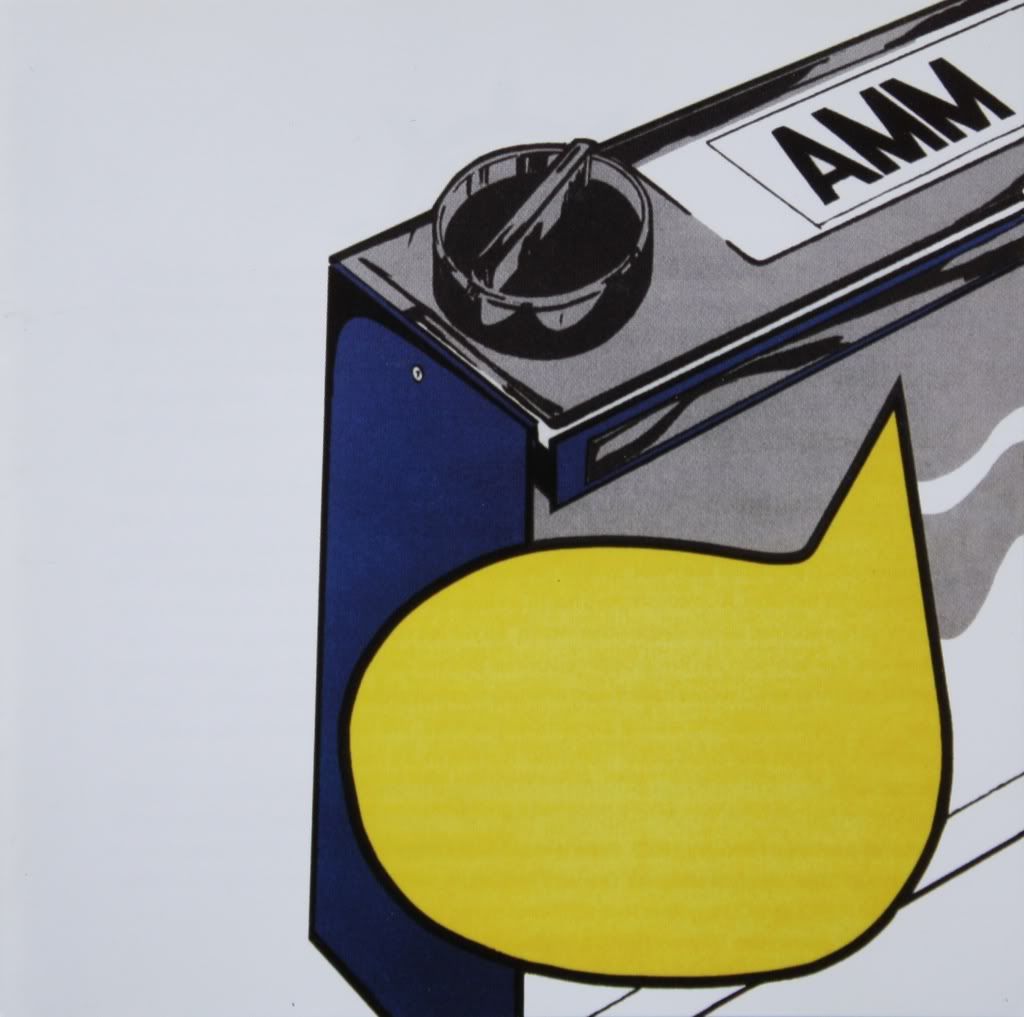
AMM - The Crypt: 12th June 1968
It's been a while since my last AMM review--with The Crypt we move to the primary album outside of AMM's 1967 debut AMMMusic that points to the foundations of their immortality in the world of avant-garde music. Despite my passion for AMM and other free improvisation and avant-garde groups, writing about music like this is at once easier and more difficult than writing about traditional styles or genres. Easier because the lack of structure and outrageously long tracks usually demand considerably less writing, since there aren't any lyrics or a large number of individual "songs" to describe and evaluate, and more difficult because the music bears little relation to most traditional music and the vocabulary used to describe such music is of little use. It may or may not help to reference an earlier essay in which I tried to articulate some aesthetic concepts that more accurately apply to music like this. Either way, I'll do my best to describe in a meaningful just what it is that I enjoy in The Crypt: 12th June 1968.
By this time in the collective's history, the core group of Eddie Prévost (percussion), Lou Gare (saxophone), Keith Rowe (guitar/transistor radio) and Cornelius Cardew (cello/piano) were augmented by percussionist Christopher Hobbs; absent from the AMMMusic lineup is multi-instrumentalist Laurence Sheaff. It's not my primary focus in these reviews to chronicle groups' membership and instrumental roles--the main reason I mention it is because, when the music starts, there's really no way to discern who's making which sound and what the audible instruments even are. The concert begins with a couple of seconds of high-pitched feedback, a couple of seconds of dissonance not unlike the sound of an orchestra tuning, and then around the seven second mark, a thick howl is undeniably the center of attention, as it will be for over a half hour of this 90-minute set. "Noise"-haters, please exit through the wings--I'm not here to argue about whether or not this is "noise" or music, nor am I here to apologize for the characteristics of the sounds contained here; I wholly understand that most people probably won't enjoy how this sounds, but the validity of the assertion that someone can and does enjoy this isn't up for debate. Not that the two are mutually exclusive, but one great thing about being an AMM fan compared with loving Captain Beefheart and Trout Mask Replica is, for the most part, you don't have a chorus of sanctimonious people telling you that you're lying about liking how it sounds--even fewer people give a shit about AMM.
When I think about The Crypt, it's this howling sound is the first thing that comes to mind. The sustained collective sound is the most purposeful study of timbre I can call to mind; it's not the note or pitch that attracts attention, but the quality of the sound. Hearing the undulating screech as the layered instruments blend and enfold only to compete again, the descriptors that come to mind pertain to the sense of touch--rasping roughness drags across the seconds, and a certain viscosity seems to govern the pace with which each instrument's sound slowly evolves across time, and the primal sense of vibration happening between the different sound sources shifts at what seems like a glacial pace between the miniature warbles of dissonance to the earthquake rattling of flagrantly high volume. Also particularly noticeable are definite spatial feelings--the music sounds at some points like it's expanding omni-directionally into an endless void and at other times it conjures a feeling of rapidly speeding through a narrow tunnel. In one sense, the collective sound is liquid in the way it seems to move within itself slowly and naturally, but there's simultaneously a dryness to the collective sound, as if every sound source is being scraped to produce the sound. When it comes to declaring that this is "good" (implying that there's similar music that isn't), my first instinct is to say that it's the collectivity that elevates this music above the quality of so-called "noise rock" for me. It's likely that Keith Rowe's prepared guitar and electronics account for the backbone of the sound, but without the shadings and constant flux of the other players (keep in mind there's a saxophone, percussion, cello and piano contributing, though, as the liner notes so eloquently state, "It was not uncommon for the musician to wonder who or what was creating a particular sound, stop playing, and discover that it was he himself who had been responsible") that separates the subtlety of this sound from just a couple of guys seeing how loud they can get their distorted guitars to feedback. Though the sound is ultimately inseparable and cohesive, all of the players' personalities are perceptible to an extent; like the best free jazz that came before free improvisation, each person leaves enough space for the others.
The dynamics of the epic howl ebb and flow past the half-hour point, at which time the proceedings become significantly quieter. It's pretty surprising, actually, how similarly the second disc sounds to the AMM of the 90's and 00's; the contributions of each member are quite a bit more audible, though it's not a lot easier to discern what the instruments are (percussion aside). Interestingly, the droning of the first half is still present, but in an attenuated form--it's almost like a different version of the same thing, more distant or more spacious. In this way, part of the magic of The Crypt is the way in which it plays with the experience of time. The music could easily be summed up thus: "A really loud screechy howling noise, then more quieter droning with a bit more space and silence with some intermittent crescendos." Thing is, it takes 90 minutes for all of that to happen--it's like the shriek of a hawk slowed to 5,000 times the original length of the cry. If you're not paying attention, time disappears and a limitless pool of sound is the only thing there is. I can only imagine how awe-inspiring it must have been to experience the concert live, in the moment, without the ability to replay the recording over and over. As anathema as recordings are to the AMM school of improvisation, albums like The Crypt bear repeated listening remarkably well. Beholding the sounds the group produces is like turning over a crystal in front of your eyes--there are innumerable intricacies and crannies to be found. There's also something to be said for the cathartic effect produced by the band's immediate sonic assault and the lengthy but punctuated denouement.
There are AMM albums with more variety, more changes in dynamics and diversity in instrument color and perhaps more relatable musical structures, but I'd be hard pressed to find one that's more intense or one that goes any deeper in pursuit of a single idea than The Crypt. In closing, I take enjoyment in recollecting the first time I realized that the track titles on this (as well as some on AMMMusic) come from my favorite Daoist text, and a major influence on In Not-Even-Anything Land, the Zhuangzi (the liner notes quote the part of the text that "Box Elder" is based on, though they call him Kwang-sze). Strangely enough I leaned heavily on the Zhuangzi when first attempting to wrap my head around music like AMM and Henry Cow's free improvisation--the text's exhortations to strip away preconceptions in pursuit of the gnarled beauty that lies in spontaneity and the natural state of things were key to my understanding of the music. Nice to hear that I'm not the only person who thinks the Zhuangzi might have something useful to say about music appreciation.
CD available here.
Friday, June 24, 2011
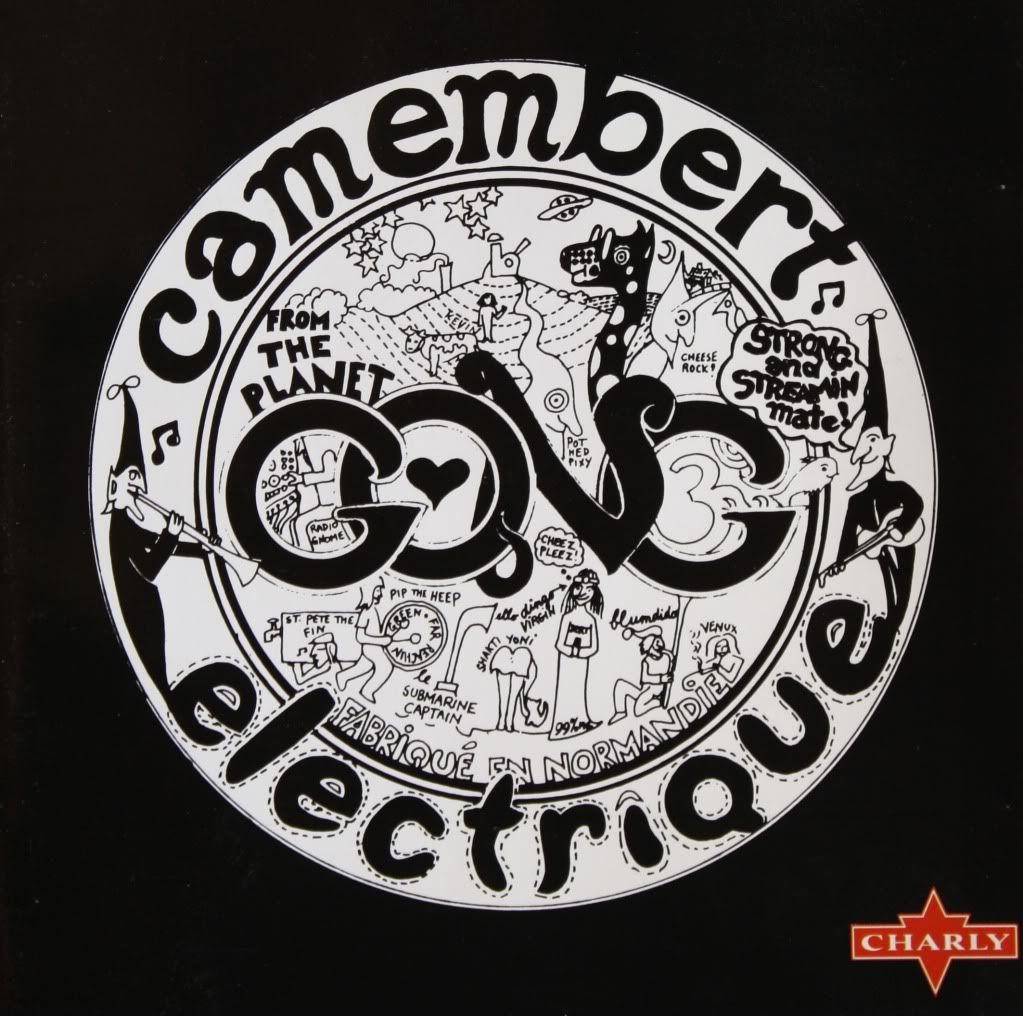
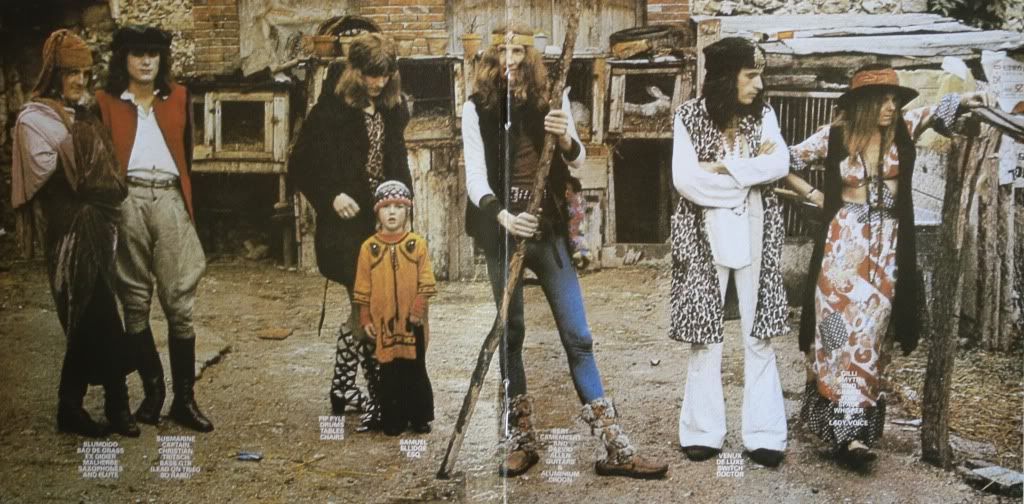
Gong - Camembert Electrique
Back to the Canterbury scene, but certainly not too far of a step away from free jazz or even RIO, here we've got one of the all-time great Canterbury albums and one of the most frenetic psychedelic rock albums of the early 70's. Even though he's not British, Aussie Gong bandleader Daevid Allen was a member of that most embryonic of Canterbury groups--The Soft Machine--which, along with other proto-Canterbury group The Wilde Flowers, was at one time home to members of most of the scene's later core bands. If ever there was a hippie, it would be Daevid Allen--he was famously refused reentry into the UK when attempting to return from Europe because of overstaying his visa on a previous trip, so he remained in Europe (mostly France) and formed Gong. It's for this reason that Gong is one of the most (if not the most) international of the original Canterbury bands.
Although Cambembert Electrique isn't the Gong debut (that honor goes to 1970's Magick Brother), it's undeniably the beginning of what most people consider the classic form of Gong--the one that concerns itself with Allen's hippie mystical and anti-establishment vision shrouded in mythology of teapots, Pothead Pixies and mythical planets, all displayed over some of the craziest jazz-influenced psychedelic music to be heard in the entire era. The story of the planet Gong is first broached in the sound-effect heavy opening introductory snipped voiced by the "Radio Gnome"--from there on out, though, the album is a nearly nonstop barrage of weirdness, humor, noise, rock and jazz that knows no equal--in the Gong discography and elsewhere.
"You Can't Kill Me" offers a pretty solid template for the album--Allen's winding but catchy compositions feature a lot of repeating figures and ostinati, looping rhythms and noise, while the lyrics hilariously toy with ideas of reincarnation and karma, while his partner Gilli Smyth contributes heavily-reverbed high-pitched moans, groans and what became known as "space whispers." Though on first listen this music might sound like utter chaos (well, it is chaotic, but not necessarily utterly), closer attention reveals an almost punk rock-like attitude supplemented by Didier Malherbe (distinctly "French" saxophone style) and Pip Pyle (unparalleled prowess on the drum kit, later to become one of the most experienced Canterbury journeymen) both of whom seem to have no difficulty negotiating Allen's compositions and their innumerable and quickly-transitioning ideas. Though the tumultuous Gong lineup later featured the more-lauded guitar hero Steve Hillage on lead guitar, I find Allen's guitar style particularly impressive for its audacity (just listen to the noise he conjures up on "You Can't Kill Me").
The album continues to plow an increasingly eclectic furrow with the organ-driven music hall "I've Been Stoned Before," where Allen goes from comical farce to sounding like he's going to shred his vocal chords in torment in just about 2 1/2 minutes. "Mr. Long Shanks" (see above video) transistions from gleeful carnival jazz rock ("The man in the parlor/you know what he's after") to a Gilli Smyth space whisper tour-de-force at its halfway point, while "I Am Your Animal" finds the female vocalist projecting a more aggressive (even x-rated) performance over Allen's spiky repeated riff, which morphs into a rapid-fire vocal barrage that ends with Allen madly yelling about licking the moon.
After a couple of sound collage interludes ("Tu veux un Camembert?") the band returns with the forward-looking (to later Gong albums) "Fohat Digs Holes in Space," which spins an atmosphere out of Allen's "glissando" slide guitar--the part when he seamlessly drops from the eerie high register into the midrange before 40 seconds is breathtaking. I'm not sure if glissando is really the correct word for the playing style, but that's what Gong fans have decided to call it--anyway, it's that echoey spacey sound that starts about 30 seconds in. The song's eventual rock riff is one of the album's catchiest, with Allen extolling some beat-cum-hippie poetry ("mirror mirror, on the wall, who's the biggest fool of all?") before another overdriven sax and lead guitar breakdown. The beginning of "And You Tried So Hard" is the closest thing to folk rock to be found on the album, though it quickly weirds itself out with more Gong flavor. The album closes just as powerfully as it opened with "Tropical Fish"--one of the band's most effective mechanisms is doubling the melodies on guitar and sax for a stabbing effect--with a heaping handful of bizarre riffs and lyrics ("seem like a typical witch to me/seem like a tropical fish to me"), a spaced-out interstellar desert in the middle ("I couldn't believe my eyes....") and closing with the almost martial invocation of the moon goddess, "Selene," and a recapitulation of the album's earlier machine-gun lyrical themes. The Radio Gnome returns to remind you that the ride's only just beginning, and you'd better believe him.
Although the full on Gong mythology isn't in narrative form here, the lyrical themes set the scene for the epic Radio Gnome Trilogy to come. Though Gong may have equaled the fun, trippiness and quality and ideological resourcefulness found here on later albums, they did it from a spacier angle, and sadly this album is in many ways one-of-a-kind with its energy, barrage of ideas, and noisy edginess. It manages to incorporate a lot of jazz influence without committing to long-form jazzy passages (like so many later groups, including Gong would do) by radically changing from idea to idea in short periods of time. Their arrangement style here is one that was certainly emulated by later Canterbury bands, and it's easy to tell that Allen's association with Robert Wyatt and Kevin Ayers was a mutually-enriching one; his idiosyncratic sense of humor obviously influenced to a large extent the sense of whimsy and insubordination prevalent in a lot of the Canterbury scene's later music. My only complaint with the Charly CD reissue of this album is sound, which is quiet, treble-heavy and not as full as I imagine it should be. Let's hope for a good remaster.
Until then, you can get it here on CD or MP3
Tuesday, June 21, 2011
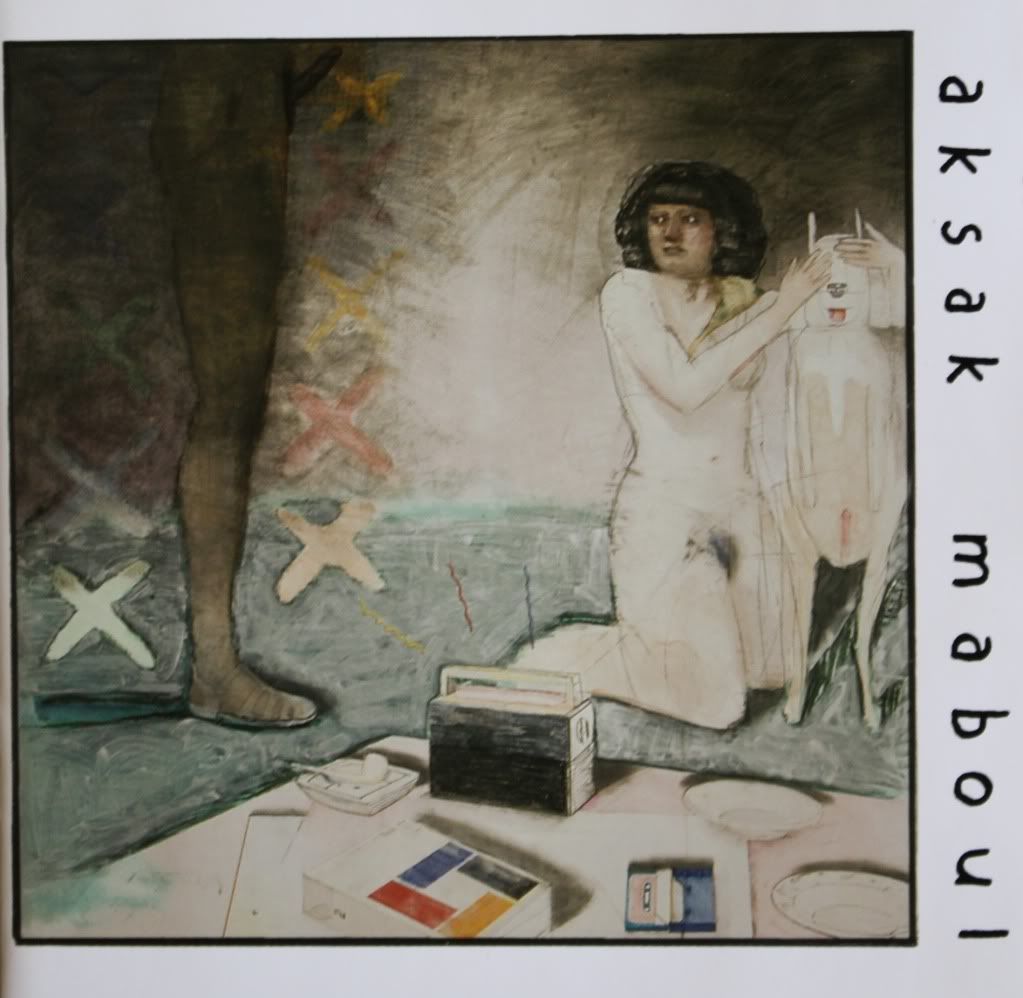
Aksak Maboul - Un Peu de l'Âme des Bandits
After a week that saw reviews for Brazilian pop, 60's folk and French pop, I feel it's time to travel back out into the...beyond. There's so much to say about this album, Belgian group Aksak Maboul, and RIO (Rock In Opposition) that I almost don't know where to start--let's begin with RIO. Rock In Opposition, though it's sometimes loosely used as a genre tag, was originally actually a festival organized by British group Henry Cow (with especial effort on the part of drummer Chris Cutler) in order to promote avant-garde rock groups selected by Cutler (eight in total) that were receiving little to no support from commercially-minded record companies. Though the movement was short-lived, it garnered a fair amount of press for the groups and, more importantly, facilitated the release of some of the most challenging progressive music produced throughout the 1970's and beyond. Since the loose movement became inactive in the 1980's, you're more likely to hear RIO referred to as a music genre used to describe either music that members of the original RIO groups have made, or music that is similar to, for example, Henry Cow's--dense, avant-garde, forward-looking, often with healthy doses of modern classical and jazz influences, though I personally don't find the tag to be the most helpful.
Belgian group Aksak Maboul was part of the second group of artists invited to RIO and was primarily the project of Marc Hollander (previously of CoS and founder of record label Crammed Discs). Aksak Maboul's 1977 debut was much more of a solo effort, with Hollander playing most of the instruments (a lot of keyboards, wind instruments and drum machines)--it's a playful, eclectic and enjoyable outing, but not today's album! In 1980, Hollander was joined by Henry Cow alumni Fred Frith and Chris Cutler and a few lesser-known European musicians for this, "their" second and final album. Though Aksak Maboul wasn't an original RIO group, I picked this album to introduce RIO because it's one of the most consistent, representative, and simply best RIO has to offer.
You know (or at least hope) from the ridiculous cover (depicting no fewer than two erections) that this album is going to be a crazy trip, and it certainly doesn't disappoint. Personally, I find this album extremely satisfying because of the experimentation--most all of the songs are based on at least one describable experiment, and the results are not only challenging, they're often quite listenable. A great example is the opener, "A Modern Lesson" (please, oh please, watch the video), which manages to deconstruct a classic blues riff with dissonance, drum machines, and wacked-out female vocals in under 6 seconds. As the track progresses, the wind instruments enter (along with some pinball machine recordings) for an interlude, the main riff returns, then the bass and tempo increase and Hollander's electronic keys and Frith's detuned guitars amp up the energy for a driving finale that sees an incredibly complex wind/key/string arrangement brimming with head-spinning counterpoint and--what elevates this beyond similar attempts--a memorable melody. "Palmiers en Pots" radically switches gears with a tango supposedly composed of (get this) pieces of several popular tangos, cut up with scissors, rearranged, and performed in random order.
That Fred Frith was on an unstoppable roll in the early 1980's, I'll never deny--his fingerprints (as musician, composer and producer) are all over this album, and in some ways it's better than its Frith solo contemporaries as his ideas (some heard already heard on other albums) are supplemented and developed by other musicians. Though the resulting disc doesn't exude quite as much of Hollander's personality as the Aksak Maboul debut, its diversity is one of its greatest assets--"Geistige Nacht" features a frantic sax-led melody with some great free jazz soloing in which the sax and eventually Frith's guitar trade squawks, and "I Viaggi Formano La Gioventu" features a snaking Middle-Eastern melody doubled on wordless vocal, violin that's strongly reminiscent of Frith's other 80's work, though that handclap track buried in the mix toward the end of the song shows up again on Cheap At Half the Price's "Absent Friends." "Inoculating Rabies" is probably the second best experiment on the disc, blending a balls-out punk riff driven by Frith's and Cutler's unfettered noise with the addition of a delicate woodwind arrangement. It's probably the best (if not only) progressive commentary on and appropriation of the burgeoning punk movement I've heard so far, which, by 1980, had all but swallowed what little market experimental progressive music like Aksak Maboul might have cornered. It's pretty ironic how loud Frith, bass and Cutler get considering how "obsolete" punk supposedly made their musical contributions.
The 23-minute-long "Cinema" rounds out the album with long-form composition interspersed with free improvisation (there's a lengthy and wicked cello solo as well as a pretty epic Fred Frith guitar solo), recording collage, a recurring sinister-sounding theme, some really heavy jamming from the full group (Cutler's drumming here is the liveliest I've heard since Henry Cow's last album, and recently, too). The melodies and ideas aren't quite as immediate as they are on the shorter songs, but the added space allows the group to accomplish some things that it couldn't in five minutes, and it gives us more to uncover on later listens. Pieces like this often seem to divide the camp of potentially interested listeners--take longer than five or six minutes and some people will complain about having their time wasted. If there are enough different ideas being developed, though, I don't mind it taking a while--as much as I'm leaning toward shorter songs packed with briefly-stated ideas these days, I can appreciate a piece that actually allows listeners to engage with and unravel the ideas being presented during the piece, rather than after numerous plays. While Hollander's personality is somewhat obscured by the thickness of the production and arrangements, it's perceptible on repeated listens, especially if you've heard his earlier works. I really enjoy his mechanical-sounding drum machines and keyboard lines, not to mention his contributions to the horn sections. Let's hear it for RIO, and this week let's keep going down the rabbit hole.
Available here on CD
Friday, May 20, 2011
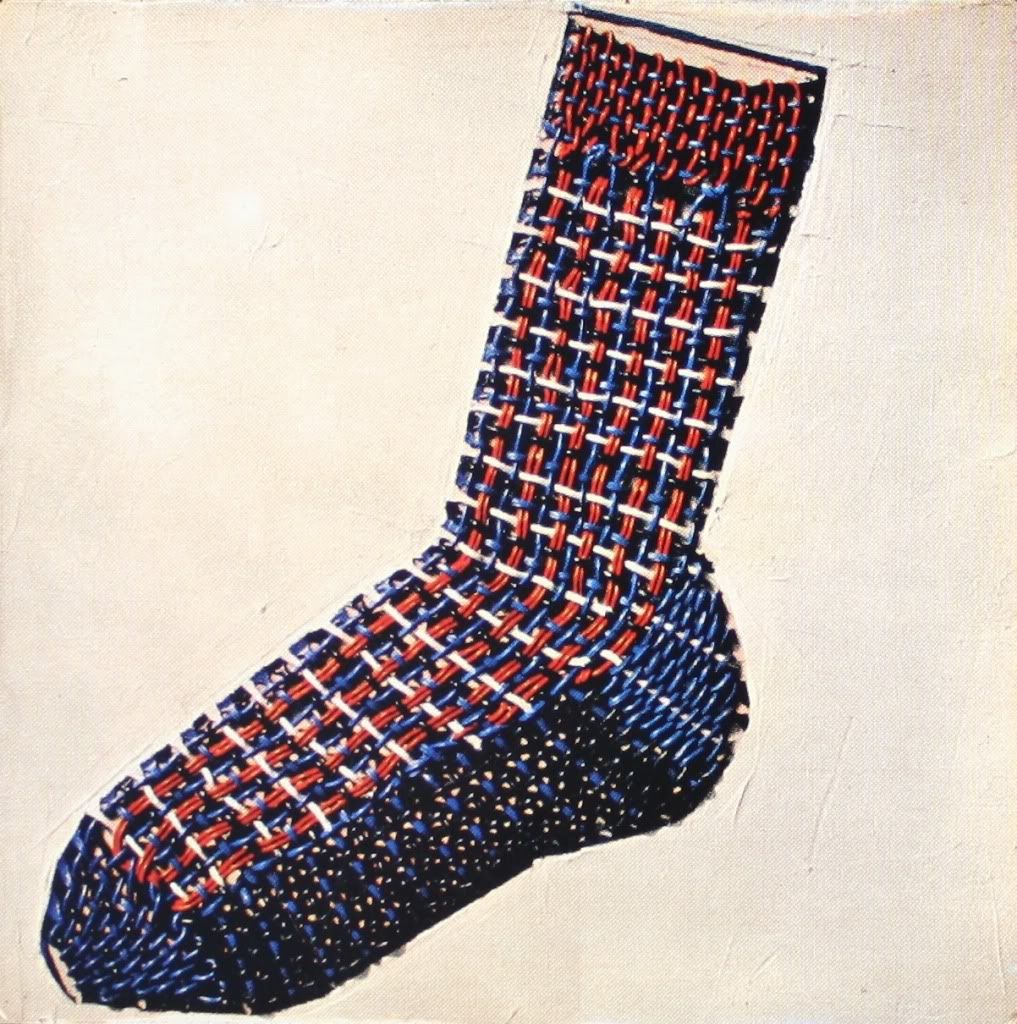
Henry Cow - Leg End
There is apparently some debate as to whether Henry Cow can accurately be deemed part of the Canterbury scene as an actual physical scene, but to me they're both clearly a part of the scene (due to guitarist Fred Frith's geographical origins and the band's association with Robert Wyatt both live and on his Rock Bottom and Ruth is Stranger than Richard albums) and part of the Canterbury scene as a genre of music that blends rock, jazz, folk, experimental and a playful sense of whimsy. Henry Cow is one of my favorite groups in or out of the Canterbury scene for the complexity and dense melody of their music, the way each member of the group contributes in an identifiable and irreplaceable way, for the way they blend avant-garde compositions with improvised music across their sparse but evolutionary discography, and for the fact that their music remains challenging but listenable no matter how many times I return to it.
Leg End is the band's 1973 debut--it doesn't take too many seconds after the rimshot that kicks off "Nirvana for Mice" before it's obvious that Henry Cow is probably the Canterbury band most influenced by avant-garde modern classical music, which shows in their compositions' weaving concentric circles of odd-metered counterpoint as well as a hefty dose of atonality and dissonance lurking behind and within the jazzy melodies. The sound is saxophone-heavy, with at least two horns at most times, and Fred Frith's guitar is often double-tracked, while some synthesizer fills in the background not covered by the manic drums and restlessly probing bass lines. "Nirvana..." sort of sums up a good part of the band's mission on Leg End, consisting of a vibrantly intricate composition which quickly dissolves into a jam over which Geoff Leigh's saxophone runs rampant in an ecstatic free jazz testimony. Interestingly, the rest of the group's vamping mechanism during Leigh's solo acts as a sort of improvisational version of the composed sections, as each band member sticks with a different meter and improvises accompaniment. The parts interweave, at times synchronizing and at other times sounding rather tenuously held-together. For me, it's exhilarating. If you weren't already awake, the song-ending staccato blast will ensure either your attention or annoyance (these guys are admittedly not for everyone).
The rest of Leg End follows a similar path, though there is a superabundance of ideas, great variety in mood and melody, and some more surprises in instrumental arrangements, including flute, clarinet and Frith's violin. The Tim Hodgkinson-penned "Amygdala" boasts an ever-shifting melodic structure that dabbles in the types of Renaissance style that is Gentle Giant's stock in trade, while the dark and cacophonous "Teenbeat Introduction" goes further down the free jazz rabbithole before swelling gloriously into Frith's "Teenbeat" composition. "The Tenth Chaffinch" sounds very much like one of the group's live improvisations (mostly unreleased until the release of the box set The Road), blending musique concrete (pre-recorded sounds) with totally atonal, unstructured improvisation. The album closes with an odd track, "Nine Funerals of the Citizen King," which actually features a vocal arrangement. Though the music is extremely dense (perhaps even impenetrable on first listen), further listening reveals melodic motifs that pop up in "Teenbeat" and return again throughout "With the Yellow Half-Moon" and again in "Nine Funerals..."
For me, Leg End and the rest of Henry Cow's discography represents the real deal when it comes to progressive music--genre is irrelevant, and the band unflinchingly incorporates modern musical concepts into a sound that assaults the ear with surprises at every turn but remains a fun and energetic (especially Chris Cutler's drums, which rival Robert Wyatt's Soft Machine-era drums in energy and creativity) listen with innumerable moments of twinkling beauty. I've heard the band's earlier material compared with Frank Zappa and the Mothers' albums from the same period, and while I can see a general stylistic similarity (jazzy, complex compositions, lots of noise and craziness), Henry Cow sounds so much more out-of-this-world and surprising to my ears, while Zappa's compositions (and especially his guitar playing), idiosyncratic as they are, always remind me directly of something I've already heard before. This album is the perfect example of music that doesn't need lyrics--when it sounds and feels this indescribable, why limit it with the trappings of lyrics?
The whole Henry Cow discography can be found at Recommended Records, which is owned and operated by drummer Chris Cutler, or here
Saturday, May 14, 2011
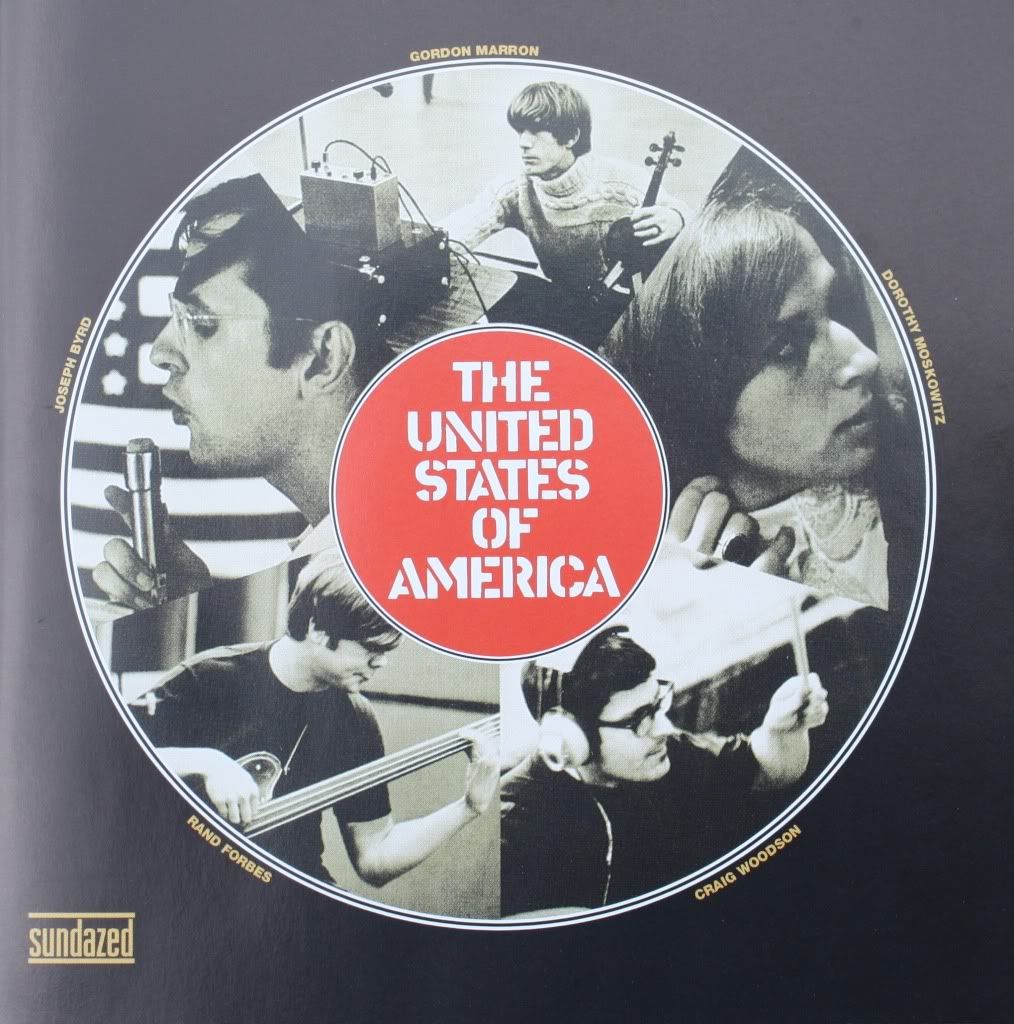
The United States of America - The United States of America (1968)
I'm feeling a bit saucy today so I'll begin with a contentious declaration--The United States of America's self-titled 1968 debut (and sole album) is the best American psychedelic album of the 1960's. As usual, such things are firmly a matter of taste, but for me this band and album exemplify the psychedelic movement sonically and ideologically in a way that many British (but pathetically few American) bands could successfully accomplish. Although there are numerous great US albums with psychedelic elements (Blonde on Blonde and Forever Changes, for example), this one positively oozes psychedelia from its overt LSD references, mad sound excursions and defiantly interrogative attitude.
For me, the band's interest 20th century classical music (the members were bigtime John Cage devotees, apparently) perfectly marries with the (at the time) chic psychedelic aesthetic--after all, most of the recording techniques, early synthesizers and theoretical precepts of the psychedelic era had already worked themselves through the more arcane and intellectual world of "classical" music starting around fifty years earlier. The polytonal album-opening collage of carnival organ music, marching band and piano fades into the hazy "The American Metaphysical Circus," featuring Dorothy Moskowitz's ring modulator-treated vocals over an increasingly heavy drum-and-bass dirge with an ample cacophonous backdrop of early synthesizer blurps and effect-laden violin. Dissonance abounds, and it's impossible to deny your in for a real trip as Moskowitz's vocals get steelier and steelier. The lyrics first broach the dominant themes of the album (and band--their name is no accident), creepily allegorizing the cheap facade of post WWII consumerist, suburban America as a sort of nightmarish bordello in which "the price is right/the cost of one admission is your mind."
Let's not jump to the conclusion that this is all clinical academic music theory, though. "Hard Coming Love" immediately follows with an uptempo blast hard pop, with a mouth-wateringly noisy and overdriven violin solo--the vocals don't even come in until 1:30. It's the clear aim of the band not to supplant the form of pop music but to warp such undeniably catchy tunes with trippy atonality and downright weird sounds (check out the twittering synth interludes after each chorus). "The Garden of Earthly Delights" and "Coming Down" are similarly rocking-yet-hooky with some pretty out-there lyrics, with the latter pretty clearly pondering an acid comedown. The false sheen of suburban conformity is again sent-up in the hilarious dixieland jazz of "I Won't Leave My Wooden Wife for You, Sugar" and the melancholic "Stranded in Time"(both sung by the band's leader, Joseph Byrd) while the capitalist system's seedy underbelly is further considered by "The American Way of Love," a mighty album closing suite that variously mocks "respectable" white businessmen, perverts surf pop and pastiches another sound collage culled from the preceding tracks in one final mind-expanding resolution. What really impresses me is the astute compositional variety on display here--in addition to marches, ballads, rock, jazz, pop, and chamber music arrangements, we get a sinisterly anthemic meditation on the irretrievability and inscrutability of the past set to a warped blend of Gregorian chant and rock ("Where Is Yesterday").
Despite the musicians' clear musical erudition, they manage to walk a fine line of challenging accessibility, never letting us forget that they're having a hell of a good time doing it--Moskowitz has a great voice that is strangely sexy despite some of the lyrical content, and Byrd's voice makes up for its mere technical passability with plenty of sneering ironic attitude. The heavy drums and fuzz bass are serious draws, with some of the sickest basslines I've heard in any genre, while the electronics are probably the best-integrated synths of the late 60's on tape, often functioning compositionally rather than just as a strange noisy backdrop (as in Fifty Foot Hose's Cauldron, for example). And, oh yeah, there's no guitar (please accept my apologies for not beginning my review with this fact--it's amazing how nervous and apologetic critics get when the trusty six-string is nowhere to be heard)! This is one of those few guitarless instances where I truly don't miss it; it's more than replaced by the aggressive violin and agile bass playing.
Unfortunately the sound quality isn't the greatest--the details of the cacophony get steamrolled by treble-heavy speakers--I often forget how good this album is since there are situations in which I just can't play it, but whenever I catch up with it on good headphones or a nice system I wish it was more conducive to all listening settings. I should also add that the liner notes for the CD remaster are great--illuminating interviews with both Byrd and Moskowitz on the band's fascinating history and artistic principles. I won't lie--this album sounds very much of its time, probably sounding to some like a throwback time capsule--but it's got that stylish 60's atmosphere (the female vocals help) that will always be classy to my ears. Strange how that mood all but disappeared from the early 70's on. There are more popular American psychedelic albums (how so many West coast bands re-regurgitated the same bland "psychedelic" blues jams ad nauseum and became touted as the best psychedelic music the country produced is beyond me), but none are as intelligent, satirical and vividly crazy as this, the thinking man's American psychedelic album.
Get it here on CD
Saturday, April 23, 2011
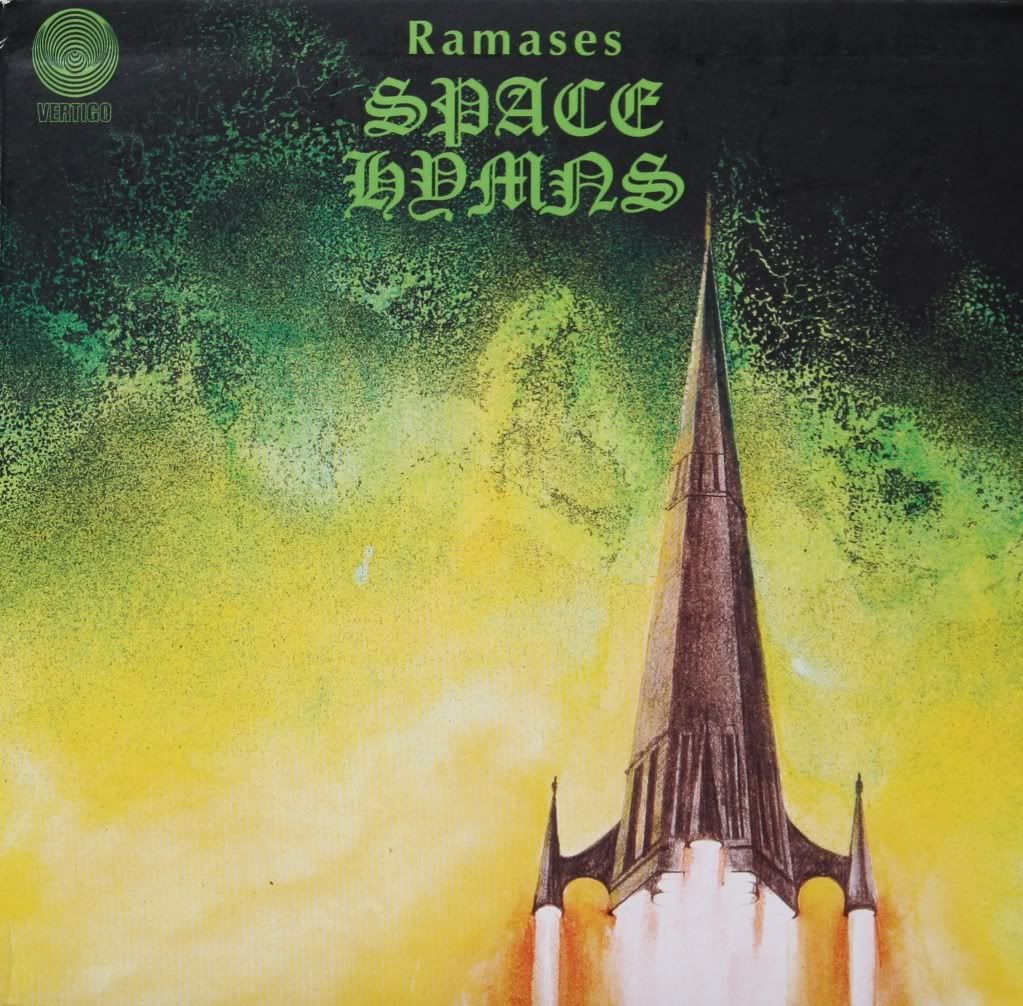
Ramases - Space Hymns
Here's an obscure one. Ramases' 1971 debut is a great example of what the record label situation was like in the early 70's--with the success of psychedelia from the Beatles and the growing popularity of early progressive groups like King Crimson and the Moody Blues, major labels were much more interested in throwing wacky music at the wall to see if it would stick--commercially, that is. A lot of weird people who no present-day label would pay attention to got fully-funded releases, which makes for quite a few interesting artifacts and a few stone cold classics. This album belongs to the former category--you at least hope you're in for a few interesting moments when you know that the main guy claims to be from a different planet, sent to educate the earth people with his alien knowledge. At the very least, the concept gets us a ridiculously awesome Roger Dean cover with a church steeple taking off into space. Oh, and 10cc is the backing band.
The opener, "Life Child," is easily the hardest cut on the album, boasting a funky riff and some fuzzy guitar solos--unfortunately its promise of hard psychedelia and edgy angry affronts to the earth people is rarely repeated during the rest of the album. However, we do get quite a bit of weirdness--"Quasar One" is dedicated to Ramases' homeworld and features some pretty sweet chanting, while "Molecular Delusions" experiments with a Gregorian chant style. "Journey to the Inside" is probably the trippiest track on the disc, replete with cascading backward recordings and closing the album with Ramases somewhat interestingly discussing the fact that the distance between the planets is comparative to the distance between electrons and nuclei before losing us again by fading out saying "If you took a pill to get smaller..."
The alien concept is at times rewarding and at other times frustrating--rewarding on the rather pastoral stoned reverie "And the Whole World" as well as the mysteriously creepy "Earth-People"--then frustrating when the solution for the "Earth-People" is the return of Jesus (track 10, "Jesus"). A little creative follow-through, please? Elsewhere limp writing holds back some catchy folk-pop in "Baloon" ("just off the surface of the moon"...yikes; don't worry--he also rhymes "bubble" and "trouble" later in the same song). Aside from the songwriting issues and failure to go for broke on the weird alien concept, the music here is held back by Sel's (Ramases' wife) nasal vocals, which are usually present in the form of unison backing vocals (couldn't even write some harmony parts) as well as unnecessary repetition of vocal lines and ideas. Case in point, "Molecular Delusions," which presents an interesting 20-second idea, then proceeds to repeat it for four minutes. "You're the Only One (Joe)" has potential to be the creepiest Earth-people finger-pointer on the whole album but spoils the idea with irritating vocals that repeat again and again (is the line paying homage to Midnight Cowboy, is it an indictment of mankind's collective selfishness, or is it just annoying?).
This album always gives me a little pleasure whenever I give it a spin--at least in the act of imagining a world where record labels fund this kind of thing--but I'm always left frustrated at its many areas of unfulfilled potential.
You can find it here on CD
Monday, April 4, 2011
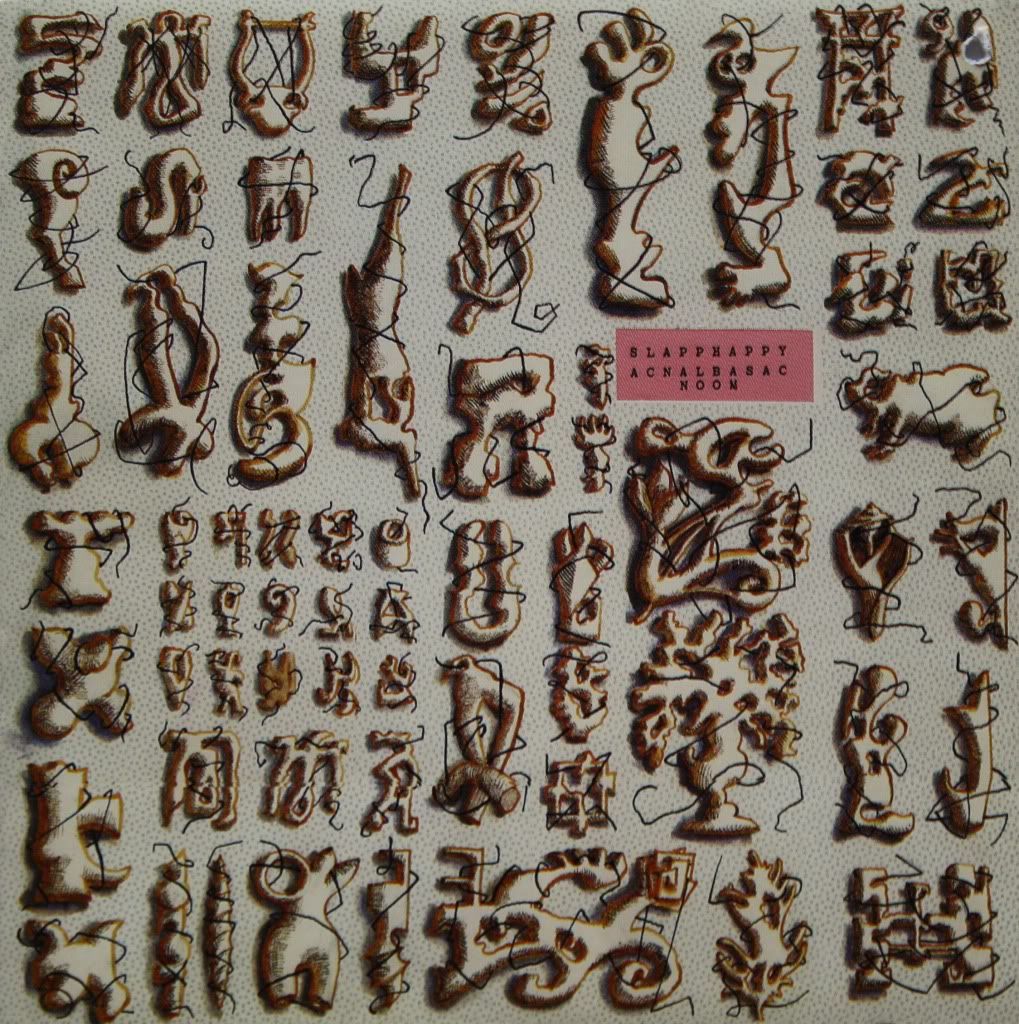
Slapp Happy - Acnalbasac Noom
Since this isn't a download blog and a lot of my traffic comes from facebook, I've decided to start linking to YouTube for at least one song mentioned in each review, so use your mouse to find some Easter eggs and match some sounds to the words.
A release with an entirely befuddling genesis, Acnalbasac Noom was recorded for Polydor by the core Slapp Happy trio (Dagmar Krause, vocals; Peter Blegvad, guitar; Anthony Moore, keys) with Faust as a backing band in 1973. The songs were re-recorded for Virgin in 1974 and released as the self-titled Slapp Happy. The original recordings finally saw release on Recommended Records in 1980 as Slapp Happy or Slapp Happy, then (here comes the really confusing part) reissued again by Recommended as Acnalbasac Noom. Today, if you want the original Faust version, your best bet is on CD, titled Acnalbasac Noom.
Acnalbasac Noom is pop music with brains--eclectic, jazzy, psychedelic, experimental and intelligent, but never prone to lengthy instrumental passages or songwriting that could be considered "progressive" in the early 70's meaning of the word. Instead, it's an album that exudes wit; a clever spin on convention that won't assault anyone's expectations but subtle--slightly subversive. The focus of the show is on Dagmar Krause's vocals singing Blegvad's lyrics. For those familiar with Krause's later material (Henry Cow, Art Bears etc.), her performances here are much more traditional and even the timbre of her voice sounds quite different. Here, it's a bit on the nasally side, sweetly but sharply adding an odd sultry edge to much of the lounge-flavored material and occasionally delving deeper into a more technically-proficient Nico-like register.
The real joy comes when you dig past Krause's rather thick but attractive German accent to find Blegvad's adroit way with words. Take the album-opening words on the spy-themed title track: "He used to wear fedoras/but now he sports a fez/There's Kabbalistic innuendos/in everything he says." The text of this album is a veritable treasure trove of clever rhyme, boundless vocabulary, humor and wit. At times, it borders on smarmy, but despite their intelligence Blegvad's songs are blithely unpretentious--a rare combination. The music is unobtrusively melodic, with pretty standard rock group arrangements with the occasional flittering synthesizer, and in addition to the aforementioned lounge-style pop there's some joyous almost bubblegum pop in "Charlie and Charlie," "Michelangelo," and "The Secret," while "A Little Something" lays down a bossa nova rock groove and "Mr. Rainbow" and "The Drum" tread into demonstrably heavier psychedelic territory. The CD reissue sports a pretty wicked aerobics-themed bonus track, too, entitled "Everybody's Slimmin'", which is just as awesome as it sounds ("shake your yamma yamma like you're humping a ghost").
If you listen to this and can't stand Dagmar Krause's voice, there's probably little hope you'll enjoy Art Bears or her work with Henry Cow. On the other hand, if you're already a fan of those, you might find this album a less demanding pleasure. Either way, you can crawl further down the experimental pop deconstruction rabbit hole with Desperate Straights, Slapp Happy's 1975 collaboration with Henry Cow.
Get the CD here
Sunday, March 27, 2011
Fred Frith - Gravity
Gravity, Fred Frith's first post-Henry Cow solo outing, is an album positively packed with ideas. From its through-and-through dance/rhythm concept, to the dizzying array of styles presented by each song, to the mottled textures of Frith's fantastically wrinkly songs to the man's all-over-the-place guitar playing, a lesser group would have make a career's worth of albums out of the ideas present on just half of these songs.
The songs presented here tread middle-Eastern themes and modes ("Hands of the Juggler"), Scandanavian and British folk ("Don't Cry For Me" and "A Career in Real Estate," respectively), as well as more familiar Frith subjects like melodic jazz (on "Spring Any Day Now" I could swear he single-handedly created the template for all Nintendo music to come) and the avant-garde ("Year of the Monkey," "Crack in the Concrete"). We also get a taste of classic Canterbury humor with a totally wonky-melodied but somehow recognizable rendition of "Dancing in the Street."
I think what sets this apart from other 80's (and beyond) Fred Frith albums is the driving energy, which must in part be attributed to the backing bands--Samla Mammas Manna on the A-Side and the Muffins on the B-Side--who lend able, ballsy and often manic flesh to the bones of Frith's compositions. Additionally, it's probably the highest concentration of pure guitar shredding ever collected on one Fred Frith album (including his solo guitar albums)--the avant-garde rock songs here have some of the most complex riffs, lead lines and soloing I've ever heard the man play, and considering the rest of the projects he's been involved in, that's really saying something. Songs like "Norrgarden Nyvla," with its majestic-turned-insane distortion-soaked lead lines contrast yet sit perfectly comfortably near the clean Massacre-esque riffing and unbalanced sliding he pulls of on "Slap Dance."
At times the music gets quite atonal and almost mathematical in its composition (though Frith's kind of atonality rivals Captain Beefheart's in its sense of melody), but somehow it's more listenable (if still quite busy) than a lot of other avant-garde music--even examples from Frith's own canon. Probably its greatest asset is its sense of humor and the aura of fun surrounding the whole album--a sense of humor that was surely lacking from the final days of Henry Cow and the entirety of the Art Bears project. To hear this album immediately after Western Culture is to believe against plain evidence that avant-garde can be fun.
Get the CD here
Thursday, March 24, 2011
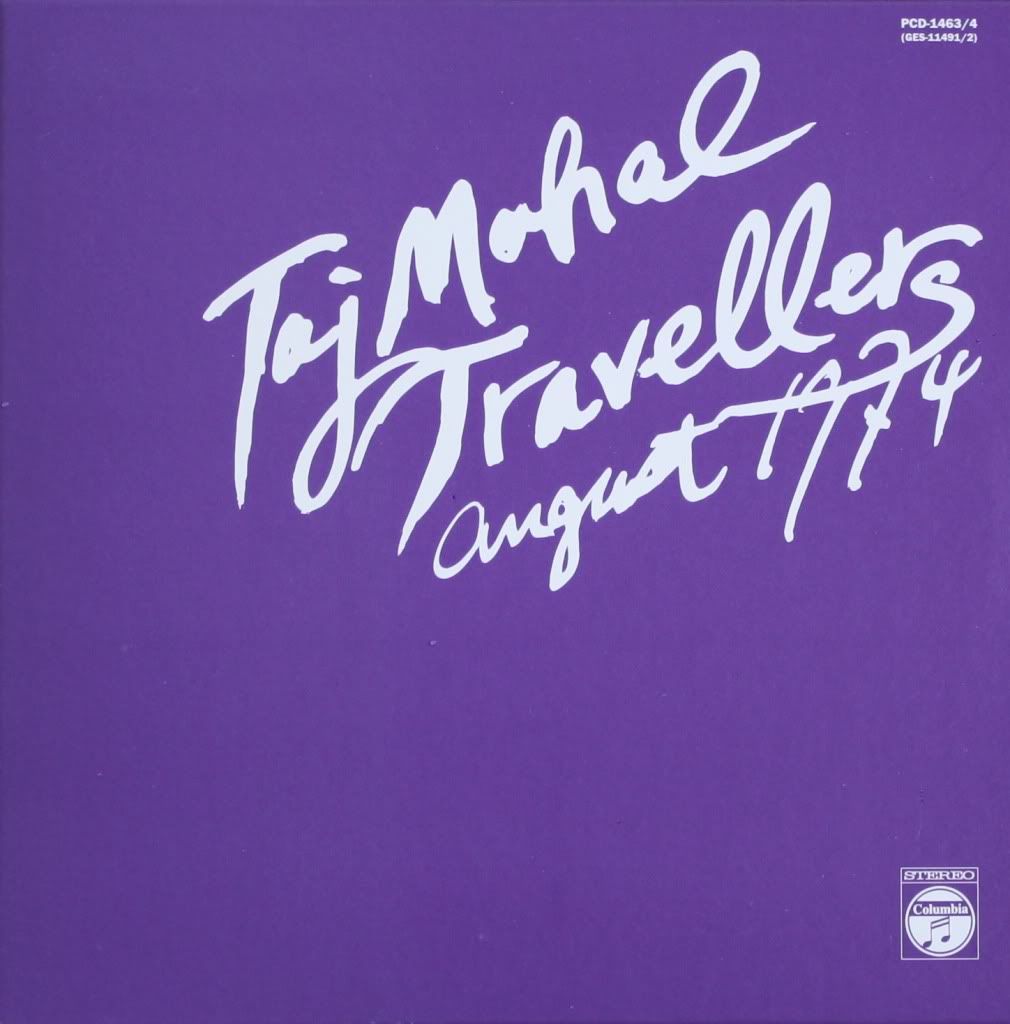
Taj Mahal Travellers - August 1974
Taj Mahal Travellers has nothing to do with American blues rock, or anything to do with the Indian mausoleum, for that matter--they're Japanese. This is another great example of music that should not be judged by traditional aesthetic standards as well as a good comparison/contrast to the AMM album I wrote about earlier this week.
The particulars of this music are actually easy to describe--few instruments are usually playing at the same time, there's little in the way of tonal development, and it's quite repetitive. Though each track fades out at the end, it appears to be a continuously-recorded performance. The backbone of the group's sound is drone; the recording moves incredibly slowly and deals with huge blocks of tone. For instance, at the album's outset the main drone is a bowed electric guitar, which plays more or less continuously on the same note while hand percussion, wooden xylophone, synthesizer, some sort of brass instrument, harmonica and voices all fade in and out. The instruments make and repeat short statements, or they let loose long threads of tone, layering with the guitar (for now) into the texture of the overall drone. Add to the list of instruments a few traditional Japanese instruments and a violin and you've basically got the sonic palette for the whole album, and it's a double.
Yes, it's easy to describe what's being done for over 80 minutes worth of music, and yet, when it comes to describing just why this album is so righteously awesome, the right words just can't be found. Though the style of music is totally different, on one level this album is strongly reminiscent of Miles Davis' On The Corner. At any given time, there aren't really that many instruments playing, but if you pay attention you start to notice that an instrument will appear in the mix, hang around for a few minutes then fade out just as delicately as it originally appeared, contributing a texture or color to the sound without altering the overall mood. After a while, though, you might notice that none of the instruments that were playing 20 minutes ago are still playing. The overall mood and quality of the sound moves similarly, changing slowly and subtly but hitting a few fairly distinctive areas over the course of the album. My favorite passage happens about a third of the way through the second track, where the layered wordless voices and dulcimer-like Japanese folk instruments reach a soaring, epic swell. The third track has some pretty awesome primal percussion/synth jams, and the fourth has a lot of delay-treated violin. This is one of my favorite mood-centric albums--the overall feeling is mysterious, cathartic, and at times pretty weird. While it's pretty moody, it's not really too dark, and it functions equally well as a meditative soundtrack as it does for close-listening. The emphasis on shifting texture, the change between spaciousness and thick soundscapes, and especially the sound-exaltation that's possible when you really lose yourself in the timbre of the droning instruments offers an experience unlike a lot of mainstream music, but at the same time fairly accessible. It's not quite as sonically-challenging as the less-repetitious and more freely-atonal works of a group like AMM, but this (and their strongly-recommended first album) demonstrates that experiments with free improvisation can deliver widely differing but similarly rewarding results.
This album is out of print...find it here.
Monday, March 21, 2011
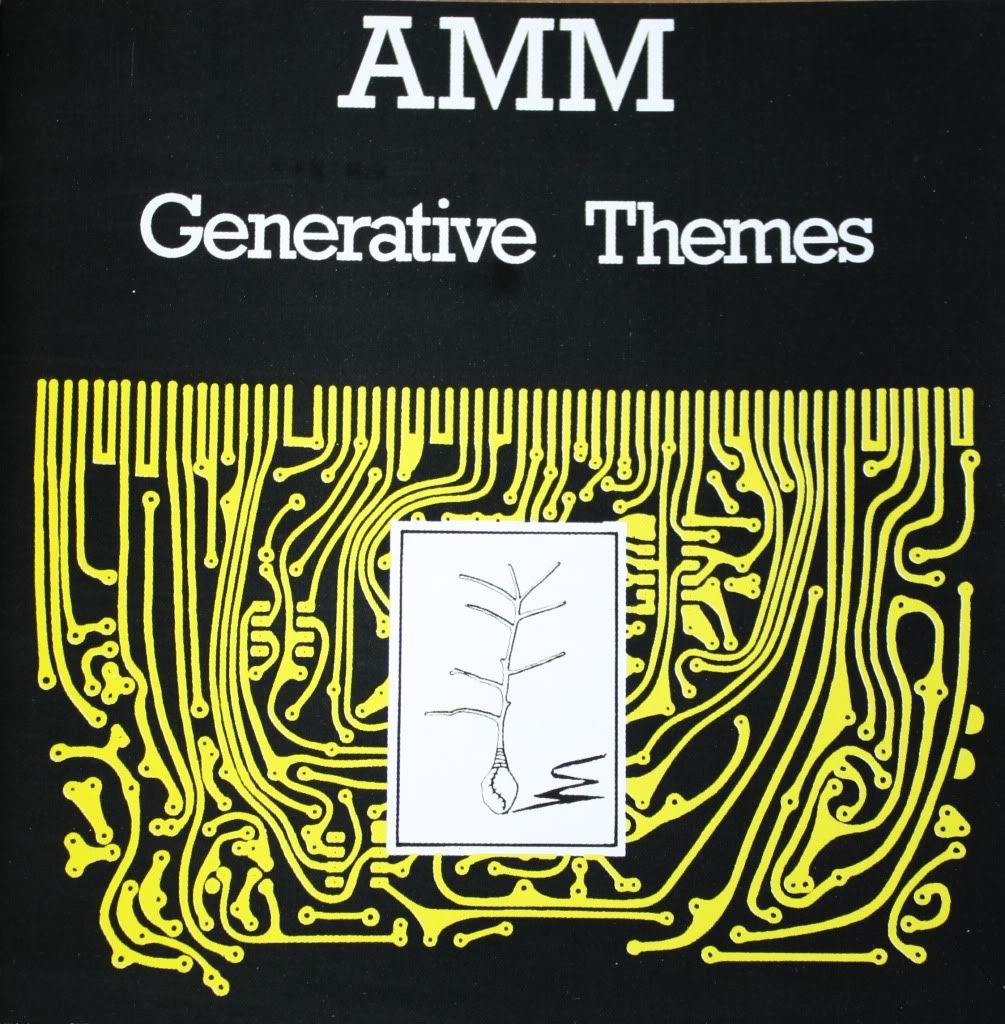
AMM - Generative Themes
AMM are the perfect group to bring up after part two of the essay I just posted, and Generative Themes is as good an album of theirs as I could hope to choose for an auditory example of some of the ideas discussed therein. AMM was formed in 1965 with the stated intent to make music completely unrelated to any established genre. By 1983 they'd gone through quite a few lineup changes but their group aesthetic had progressed somewhat close to the realm that they currently inhabit--free improvisation with a somewhat meditative feel, occasionally punctuated by noisy outbursts.
Generative Themes is a bit of an unusual AMM album because it's a studio recording--for this reason, it's made up of four discrete tracks instead of a single album-length track or an entire performance split up into gapless tracks for navigation purposes. I'll be up-front--this is one of my favorite AMM albums (though I do have several favorites). It's the first AMM album to feature pianist John Tilbury (a member to present day) and also the first to be saxophone-free. The result is a somewhat intelligible mix of Keith Rowe's tabletop guitar and radio tuner, Eddie Prévost's percussion and Tilbury's prepared piano--for the most part each instrument is distinct and the personality of each performer is somewhat apparent, at least to a much greater extent than on the gloriously cacophonous AMMMusic or The Crypt.
Due to the nature of the album's recording, it's possible (though not necessarily obligatory) to make statements about each track as individual "themes." The first is reminiscent of somewhat quieter early AMM--Rowe's guitar creates a gently percussive droning atmosphere, like he's dragging a pick (though it's likely something else) slowly across the coils of the strings. Inaudible radio lurks in the background, with the occasional word or phrase popping out into the space left by the musicians. Eventually Prévost joins in with toms and cymbals, and Tilbury makes some opening statements with the piano--the prepared instrument sounds at times more like a wooden xylophone than a piano--it's otherworldly. The second theme finds Rowe conjuring more uncommon sounds out of his guitar, with repetitive waggling noises and some liquidy but tuneless drones (sorry, this is the best way I can describe it). The overall texture of the track is dynamic, with lots of spaces between the piano notes and drum beats--sort of like popcorn popping, but much more engaging. After listening to a lot of more recent AMM albums, it's a fun change to hear Prévost playing like an actual drummer--the track winds together on the last couple of minutes into as close of a groove as AMM probably ever get, with delightfully wonky beats on the drums and some aggressive keys from Tilbury. The third theme is more brooding, with some great Rowe radio moments (at one point a child's voice audibly calls "It's a pie--it's hot!"), and Tilbury playing low on the keyboard's register. There's still plenty of space between short bursts of sound--the texture is mottled, almost playful, at times. The final theme conjures some of the early AMM spirit--some serious noise happens, with a barrage of radio ("the GEEK"), lots of tom and cymbal work from Prévost, thick clusters on the piano, and some wild, overdriven guitar squalls. Just five minutes before the end, the clouds break and things quiet down--the space returns, leaving pause for thought and the occasional brief noisy surprise from drum or piano.
Because of its abstractness, it's tough to write about this kind of music in any great detail, but among the AMM canon I think Generative Themes presents a pretty balanced amount of each personality as well as a good mix of old AMM/new AMM, quiet/loud, spaciousness/density, fast/slow, and the ever-present (yet easily-forgotten) element of chance--things lined up quite well, from Rowe's blind radio pulls to the collective teetering grooves which develop only to quickly disappear. This would make a good first exposure to AMM.
Get 'er here from the label, or from Amazon: Generative Themes
Subscribe to:
Posts (Atom)