Showing posts with label Reviews. Show all posts

Tuesday, April 30, 2013

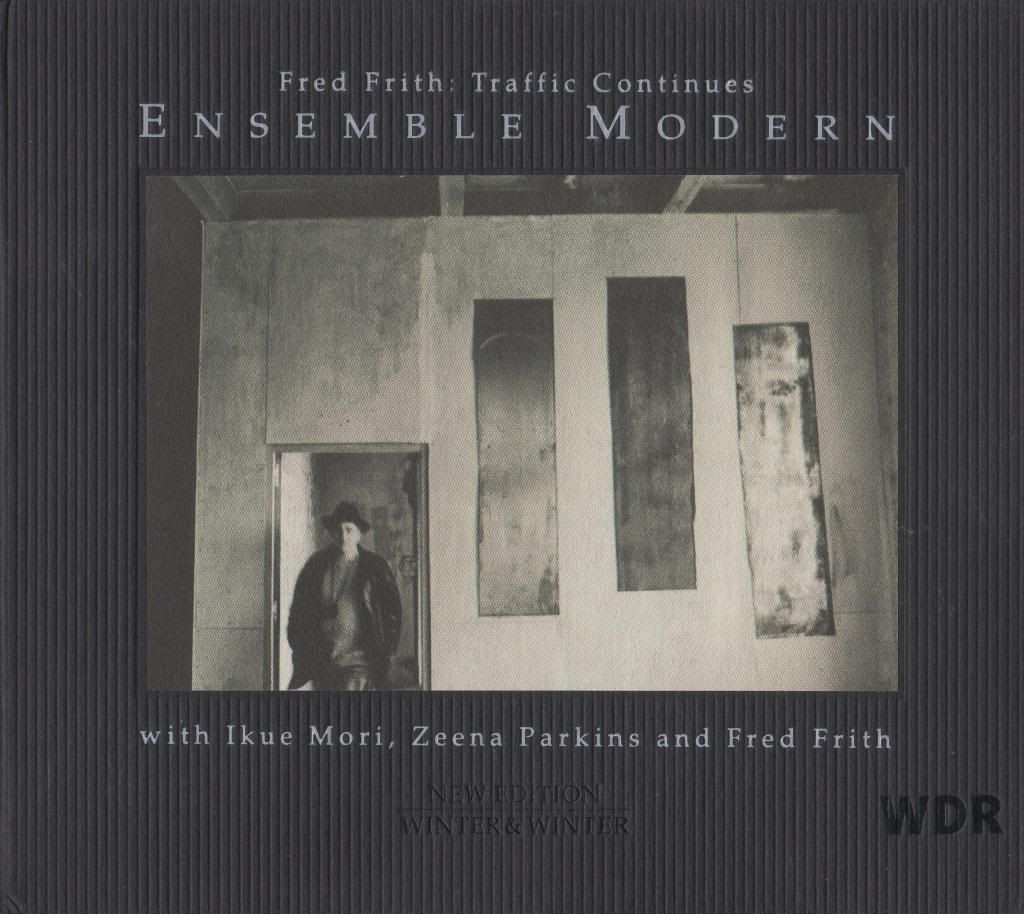
Fred Frith and Ensemble Modern: Traffic Continues


Although our man is credited as guitarist, this album plays more like a performance of Fred Frith compositions than it does like a "Fred Frith album," as we may have variously come to understand what they might sound like.  That said, the ensemble (which audibly sounds basically like classical instrumentation with a few subtle electronic elements) is fantastic, playing with virtuosity you'd expect from concert musicians, but also a zany freedom that firmly places them in a modern context.

To my ears the compositions start off very strongly with some brilliantly knotty orchestrations and a vaguely conventional harmonic aesthetic.  Evaluated through this type of lens, the disc loses some steam in the middle (around the beginning of "Traffic Continues II: Gusto", composed for and from audio samples of Frith's recently-deceased friend and Skeleton Crew bandmate, cellist Tom Cora) as it becomes more spare and quiet, then closes strongly with the final and longest track.  It may be true that the quieter bits require a different sort of criteria for evaluation and may succeed by those standards, but for me the act of readjusting what I'm listening for has so far proven frustrating to the extent that I'm usually left with a feeling that I just heard a recording with some great parts and some that merely passed me by.  I get the feeling that more effort could either yield more appreciation or a stronger sense that some of the writing is a bit too casual and reliant on free performances to carry the weight.  Either way, this is inarguably the kind of music you need to let act on you before imposing any kind of sweeping critical judgment.  Here's to more trying!

Get 'er.

Friday, January 25, 2013

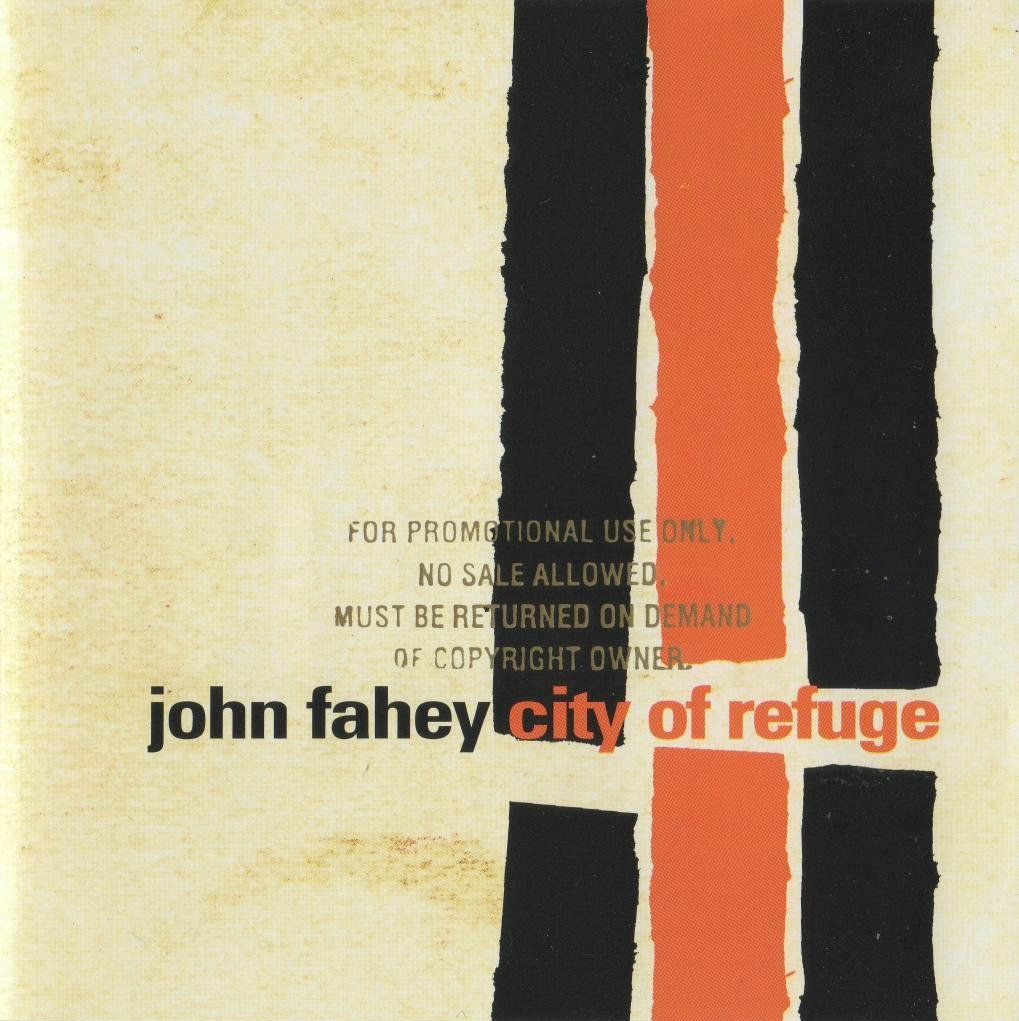
John Fahey - City of Refuge


In investigating Fahey's late period, I'm sympathetic with the fact that he felt dead-ended stylistically and was struggling to move beyond his signature American Primitive tropes into something a bit more...different and new.  The issue seems to be just what, precisely, that new direction is, and Fahey's frustration is evident in the music.

In spite of its recording date, City of Refuge most resembles 60's Fahey records like Volume 6: Days Have Gone By and Requia, with equal space and volume given to acoustic guitar and field recordings, found sounds and electronic sound sources.  As with those other recordings, this approach either stands (Days Have Gone By) or falls (Requia, often) on how well those elements mesh with one another compositionally.  The disc starts promisingly enough with "Fanfare," which sees an unusually (for Fahey) overdriven slide guitar layered on top of droning, industrial electronic sounds not unlike those produced by Keith Rowe, especially in his solo works.  As the tracks play on, for me the impression builds that the compositions aren't very well thought-out, which is a serious stumbling block for an artist whose greatest strength is arguably his ability as a longform composer, not as an improvisor, which is what he appears to attempt on "The Mill Pond" and large portions of "City of Refuge I," plucking single notes against a throbbing background drone.  While the proposition of a more spare approach to his guitar style is intriguing, the results here don't feel particularly well-realized.

Elsewhere we are suddenly jolted out of the avant-garde soundworld back into more traditional Fahey territory, with guitar-only excursions like "Chelsey Silver, Please Come Home," and the dirge-like "City of Refuge III."  The former hints at a new compositional twist on Fahey's slide style, with abrupt stops and rhythmic interruptions, but again it feels like he didn't thoroughly integrate the idea into the piece, or maybe it wasn't an idea after all and the performance is just choppy!  Both songs seem to lack distinctive melodies or a feel other than "Fahey filler"--pleasant enough, but by 1997 we know what this man is capable of!  To my ears, "Hope Slumbers Eternal" is the best-realized piece on the album, blending a droning background that relates tonally to the minor slide guitar melody it accompanies, provoking an eerie, meditative atmosphere--most importantly, the electronics and guitar seem to combine coherently, which is mostly not the case with the rest of the experiments here.  The album closes with the 19-minute "On the Death and Disembowelment of the New Age," which, as far as I can tell, contains no guitar (though it does keep alive Fahey's tradition of humorously long and barbed song titles).  It's probably the most successful sound collage on the disc, but sitting at the end of a selection of noodly acoustic guitar pieces, it raises questions about what it's doing here, and why these songs all belong on the same album.  There is some cool rhythmic phasing of a tambourine-like sound that kicks in around the 12-minute mark and lasts for several minutes, and the album closes like it opened, with a classic Fahey field recording motif--a lonely locomotive whistle. 

This is the kind of album that really gets under my skin--not because I think it's bad, but because there's a palpable sense of frustration from an artist with specific ideas and a seeming incapability to fully realize them.  Probably more troubling to me personally is Fahey's frustrated attempt to break beyond his established vocabulary as a guitarist--for a man who reportedly described fingerpicking as a "disease," he must have felt more than a little trapped.  When an artist verges into atonal and pure sound territories, success seems to become as ephemeral as the compositional building blocks are abstract.  I find it daunting to explore these areas as the measure of artistic success depends even more on an unquantifiable gut reaction, and the difference between good and bad is painfully difficult to control as a composer--but perhaps that's where the adventure lies!  My next stop for late-era Fahey is another 1997 album, Womblife.  While my hopes for a successful application of his challenging ideas are tentative, even unsuccessful attempts in this territory are rewarding and always thought-provoking.

Get it here.

Wednesday, September 26, 2012

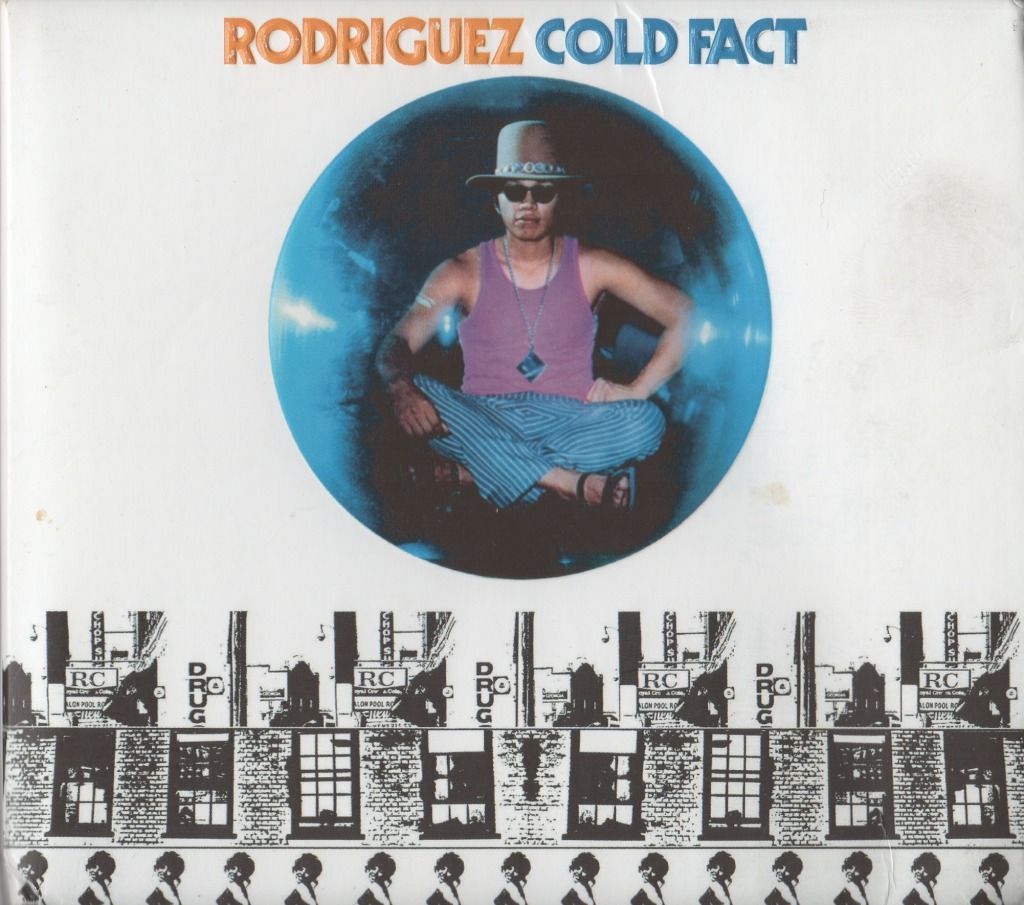
Rodriguez - Cold Fact


I first heard Rodriguez's 1970 debut Cold Fact back in 2008 at local record shop Sonic Boom--ironic, considering the store's typical "KEXP: The Record Store" selection (to be fair, I've found some great jazz classics there, as well as those epic Betty Davis reissues).  These days, Rodriguez is getting all kinds of press for Searching for Sugar Man, a new documentary detailing how the singer disappeared in the 1970's after recording two albums only to find out decades later that he'd become a star in South Africa and nobody knew where he was or what became of him.  It's a fascinating story--so many quality artists disappear without ever achieving recognition in their heyday (or ever, for that matter), so it's pretty cool, if bittersweet, to see that someone actually was appreciated, even if it took decades for his art to be recognized.  It's also nice that Rodriguez is actually still around to get his due (as well as tour and actually make some money from his music). 

As for the music, it must be said that Bob Dylan casts a long shadow--Rodriguez is clearly heavily influenced both by Dylan's songwriting as well as his vocal delivery.  "This is Not A Song, It's an Outburst: Or, The Establishment Blues" is an awkward attempt at a talking blues in the style of "Subterranean Homesick Blues," there are several kiss-offs in the style (with added venom) of  "Don't Think Twice, It's All Right" ("Forget It" and "I Wonder," for example), and Rodriguez is one of legions of singers to adopt a mid-60's sneering Dylan inflection (though his underlying vocal talents are formidable).

To write off this artist for being indebted to Dylan, though, would be to pass judgment before giving his craft a chance.  Besides, there's nary a post-60's artist who's not influenced by Dylan in some way--one of the greatest things about him is that his music showed aspiring artists that it was possible to make pop music that aspired to greater artistic depths in terms of songwriting, lyrical aesthetics and subject matter, without abandoning mainstream appeal.  While Rodriguez doesn't necessarily create a completely unique style for himself, his songs exude careful construction.

There's plenty of great one-liners (like the "you're the coldest bitch I know" conceit in "Only Good for Conversation") and Rodriguez's lyrical vision is often both emotionally direct and open to multiple interpretations.  Coming in well after the flower power movement, there's a dark, disenchanted, urban and undeniably cynical edge to a lot of the words and attitude, as heard in the unsettling "Gomorrah (A Nursery Rhyme)" and the brilliant "Hate Street Dialogue." What's more, Rodriguez has a real knack for concise, melodic song structures, a characteristic that's amplified by some great production choices--from a wet reverb on most of the vocals to the orchestrations that back many of the songs to the occasional psychedelic flourish like overdriven guitar or delay, the arrangements add tasteful depth to songs that probably could have stood alone with stripped-down arrangements.  These, of course, exist in ideal harmony on the album's flagship track, "Sugar Man" a drug song that any songwriter would kill to have penned--from the hair-raising melody to the way it ambiguously seems to both endorse and caution against drugs.

Rodriguez was probably never destined to be a huge star, but his abilities are undeniable and this album is a recommended addition to the collection of any Dylan fan who's looking for other artists of a similar caliber and style.  In light of the continuing Cheap Seats content posted here, I think a story like Rodriguez's is another piece of the puzzle that answers some questions and probably raises even more--people just might be out there listening, but you may never know.  Is it worth it to make music even if no one recognizes it in your day?  I like to hope there will always be thoughtful listeners out there just waiting for the right circumstances to lead them to music like this.

Get it here.

Monday, September 10, 2012

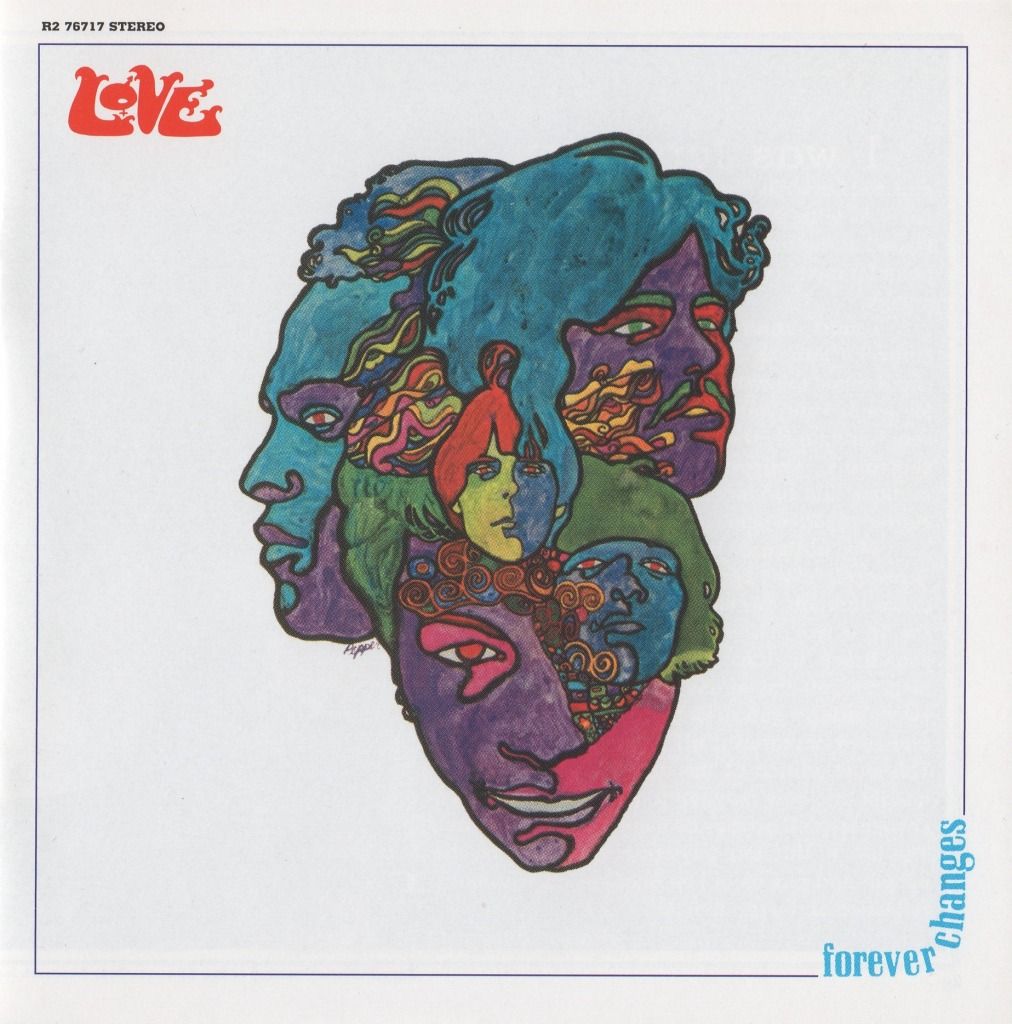
Love - Forever Changes


The past year has been so busy with recording and evaluating my own music that I've had much less time to listen to other people's sounds, which means I've focused a lot more on the "new" music I'm finding instead of revisiting old favorites.  When I do get around to albums I've heard many times, the experience is often quite illuminating.  Especially after doing so much critical evaluation of music on this blog, I sometimes realize that my "5 star" albums, upon relistening, aren't necessarily free from the kinds of things I might label as "flaws" in other music, and that ultimately, designating something "as good as it gets" rests on a certain feeling of affection or nostalgia toward the music, or at least an assertion that the great things in the music are so good that any "flaws" come across more as endearing idiosyncrasies.  In other words (and yet again), it's all subjective!  The fun part about analyzing music in writing is the disjuncture between personal preference and the fact that yes, we actually can (and should) identify and judge specific characteristics in the music that justify how "good" we say it is, but also that "good" will always be individual, and reading music reviews and blogs is ultimately most useful as a way of pairing others' tastes with your own to discover music you might enjoy. 

Forever Changes is one of those albums that winds up on innumerable critics' top lists, but has somehow kept a much lower mainstream profile in comparison with its contemporary "classics."  You never hear any Love songs on the radio or in movies etc., and you'll be lucky if you hear anyone talking about them outside of musicians and critics.  And yet, pick up Forever Changes and give it time to work its magic and you'll most likely understand why it quietly persists as a milestone in psychedelic folk-rock and as one of the best albums of the 1960's.

Like many great albums, Forever Changes is so great because it's often a bizarre combination of unquantifiable elements.  There's the fact that it's a much mellower affair than Love's previous two albums--the more garage-like electric sound of Love and Arthur Lee's aggressive vocal style on Da Capo mostly replaced by acoustic guitar and orchestral textures--and yet it's still insidiously edgy.  There's the album's unique twist on psychedelia, which often takes the form of hard-panned instrumental tracks (the nylon-stringed acoustic is so far to the right it's almost gone!) and brief additions of reverb as well as arrangement choices like having the background singers say a different word at the same time.  There's Arthur Lee's obvious magnetism as a front man, which twists together the role of a sort of tormented seer with a dark fragility, surprising poetic capabilities, an ability to distill the countless clashing emotions of the 60's into songs that are simultaneously emotionally gripping and ultimately ethereal, as well as being a larger-than-life historical legend, somehow more than fulfilling Da Capo's thwarted potential here but quickly unraveling into mental and artistic instability (he was reportedly sure his death was imminent during the creation of this album) in the following years--still capable of creating good music but never coming close to reaching the same level of insight (especially lyrically) repeatedly on display here.  And finally, in spite of Lee's dominant persona, there's the fact that the band was undeniably a collaboration, that Bryan MacLean's songwriting contributions and classical guitar contributions are as important to the album's success as any of the other elements, and that Lee's decision to disband the Forever Changes lineup soon after the album's release was a terrible blunder. 

The distinctive characteristic that most people note about Forever Changes is the inclusion of orchestral arrangements, especially prevalent on the MacLean numbers--the balance is sweet and delicate on "Alone Again Or," "Andmoreagain" and "Old Man," songs whose optimism counterbalance some of Lee's desperate worldview with detours into romantic euphoria.  Elsewhere, though, the strings and horns just as aptly provide a creepy, unsettling edge, as on the paranoid "The Red Telephone" and robotically closing "The Good Humor Man He Sees Everything Like This" (gotta love those Dylanesque 60's track titles), as well as brilliantly cathartic, as on the Latin-tinged "Maybe The People Would Be The Times Or Between Clark And Hilldale" (which boasts some of the album's most sly lyrical conceits, with expected rhymes interrupted by staccato horns only to appear to begin the next line...until the instrumental breaks, that is) and the transcendent album-closing "You Set the Scene."  The cleverest part of the delicate arrangements is how well the rock moments stick out--"A House is Not a Motel" sounds like the heaviest rock you've ever heard, despite the fact that at least half of the song doesn't even have electric guitar, and the solo on "Live and Let Live" is insanely scorching because there's nothing "hard" to compete with it.  Relistening I'm really surprised at how simple the arrangements actually are in comparison with the songs' complexity, usually consisting of just a standard two-guitar rock band with maybe a bit of piano and the aforementioned strings--the band's ability to make each part indispensable is a testament to the skill and care on display.

Lyrically, the album literally never lets up.  While it's often difficult to discern what exactly Lee is singing about in each song, the impressionistic moments paint a collectively awe-inspiring picture of urgent searching, resultant disillusionment, distress, cynicism and ultimately grasping a fleeting sort of brilliant something that makes it all worth it...a something that might just be the absence of alternatives.  Lee manages to toss out piercing one-liners right next to surreal scene-painting with the spontaneous force of a man possessed by something larger than his own conscious decision to create, and somehow manages to do so without completely slipping off the edge into incoherence.  Despite the fact that the album is so very 1960's, his struggle and observations about the world's contradictions can't help but still ring true.

Perhaps this is the only truly great album Arthur Lee had in him, but its quality does seem to justify its singularity.  Though it will likely always remain lauded but obscure, Forever Changes continues to humble me every time I revisit it--albums like this are something more than just old friends, comforting and diverting but always capable of teaching us something new.

Get it here.

Tuesday, June 26, 2012

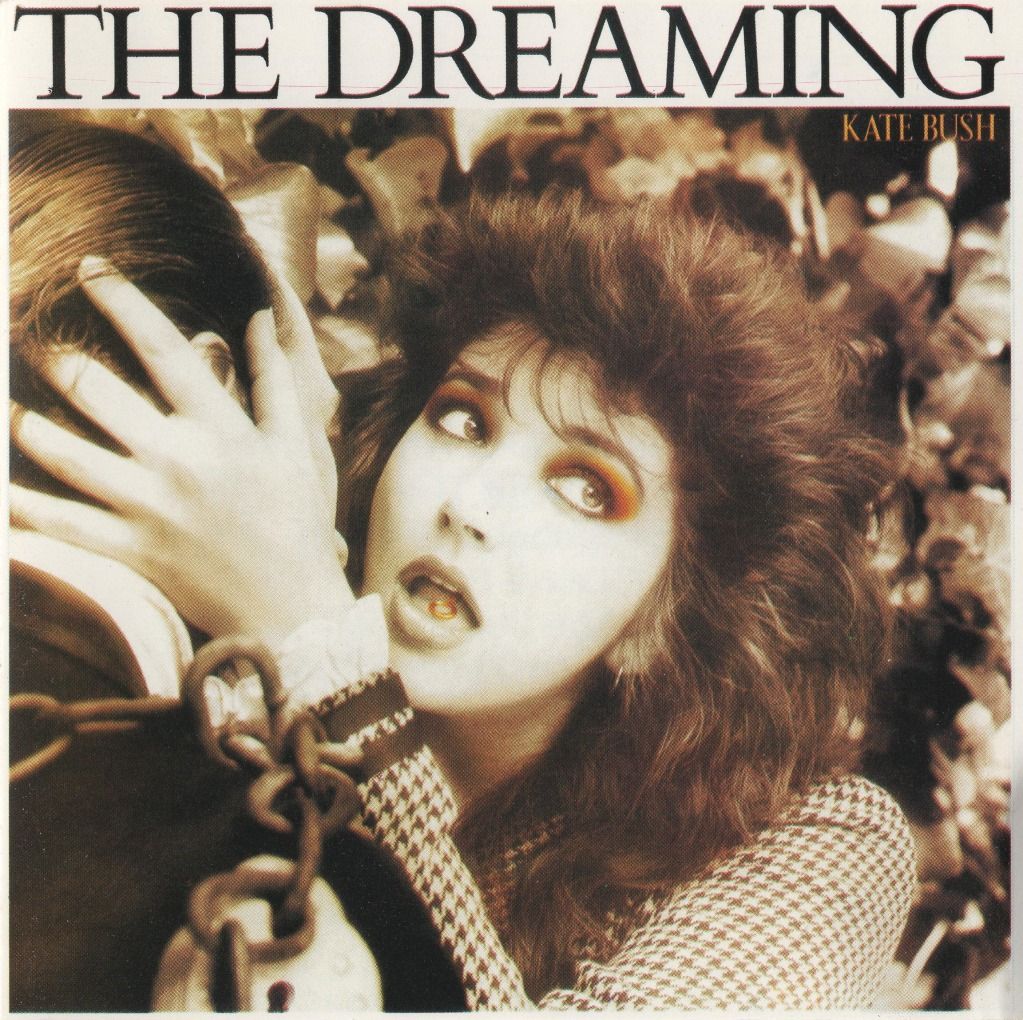
Kate Bush - The Dreaming


The Dreaming--Kate Bush's fourth album, arriving less than five years after her debut--has got me thinking about a whole mess of different things.  Approaching her music fairly indirectly (not having been around when the music was new [no real change there!], or being a hardcore fan, and not having much of an interest in 80's pop music) made for slow progress in appreciating it, but a couple of years have provided an enlightening and broadening experience in getting to know and learn from this music.

While I agree with most fans that Hounds of Love is her most distinctive and cohesive set, this album makes a close second for many of the same reasons.  Partially fulfilling her move toward tighter pop structures and chic sounds of the day, the songs here continue to move away from the more traditional (especially piano-dominated) instrumentation of her first albums into an area where 80's synths and effects surround the songs' core piano parts and multi-part structures juxtapose wildly different styles within pop-length tracks, with Bush's multi-tracked vocals calling and responding in an often bizarre array of different vocal deliveries.  Needless to say, these songs can come across as difficult to penetrate at first, a fact that's not helped by the fact that the late-80's CD reissue is in dire need of remastering, making the already-difficult songscapes even tougher to perceive because of the mediocre sound reproduction. 

Nevertheless, this shit's awesome!  What's especially interested me lately is the fine balance Bush strikes between weirdness, progressive and experimental complexity, and pop accessibility.  When I say "weirdness" I mean things like singing in a weird voice (like those shrill backing vocals that nobody else has really done the same way), laying a really strange-sounding effect on a guitar line, or singing Australian narratives and utilizing native Australian instruments.  Weirdness is a great attention-getter, and is a great way to make music distinctive and set it apart from the vast pack of musicians out there just trying to make something that sounds pretty and inoffensive in hopes that it'll appeal to the largest audience possible.  However, weirdness alone isn't enough to keep my attention long-term.  Really, the lukewarm feelings I get from a lot of today's music come from a feeling that weirdness and style often outweigh the actual content of the songs, music, lyrics etc.  Not that every artist should be changing time signatures every two measures and shredding ridiculously difficult guitar parts for music to be considered good, but there's more to making some distinctive music than singing a tired indie breakup song in an overwrought plaintive voice over eighth-note staccato power chords. 

What I love about Kate Bush is how well she backs up her weirdness with musical substance--every song has a discreet feel, be it narrative or more philosophical, and upon close examination it seems that every element of the song is carefully tailored to fulfill the song's conceptual promise, from playfully poetic lyrics to song sections that brilliantly channel Bush's twisting moods with shifting timbres and pacing (see "Pull Out the Pin," "Night of the Swallow") to vastly differing stylistic experiments between pounding, expansive rock like "Sat In Your Lap" and waltzing existential pop like "Suspended in Gaffa." 

Finally, I'm continually amazed by how poppy the music ultimately is--in spite of the fact that she's often reimagining and further developing a lot of concepts explored by then-and-now-villified progressive musicians when the genre was all but completely forced from mainstream interest, Bush manages to maintain a pure, sincere emotional core along with a buoyant conciseness that makes these songs accessible in spite of their complexity.  Even more, she's still making new fans 30 years later in spite of the extreme 80's vibe, although that's a retro aesthetic that's still currently regarded as "ok" with today's young music fans.  I'm sure it doesn't hurt that her visual aesthetic pretty much rivaled her musical one--if only today's pop songstresses could back up their audacious imagery with such equally challenging music!  Anyway, good on KB for proving that great pop doesn't have to skimp on nuance, and for helping me expand into some new musical areas.  This makes me want to check out some of her more recent work...


Get it here.

Friday, June 22, 2012

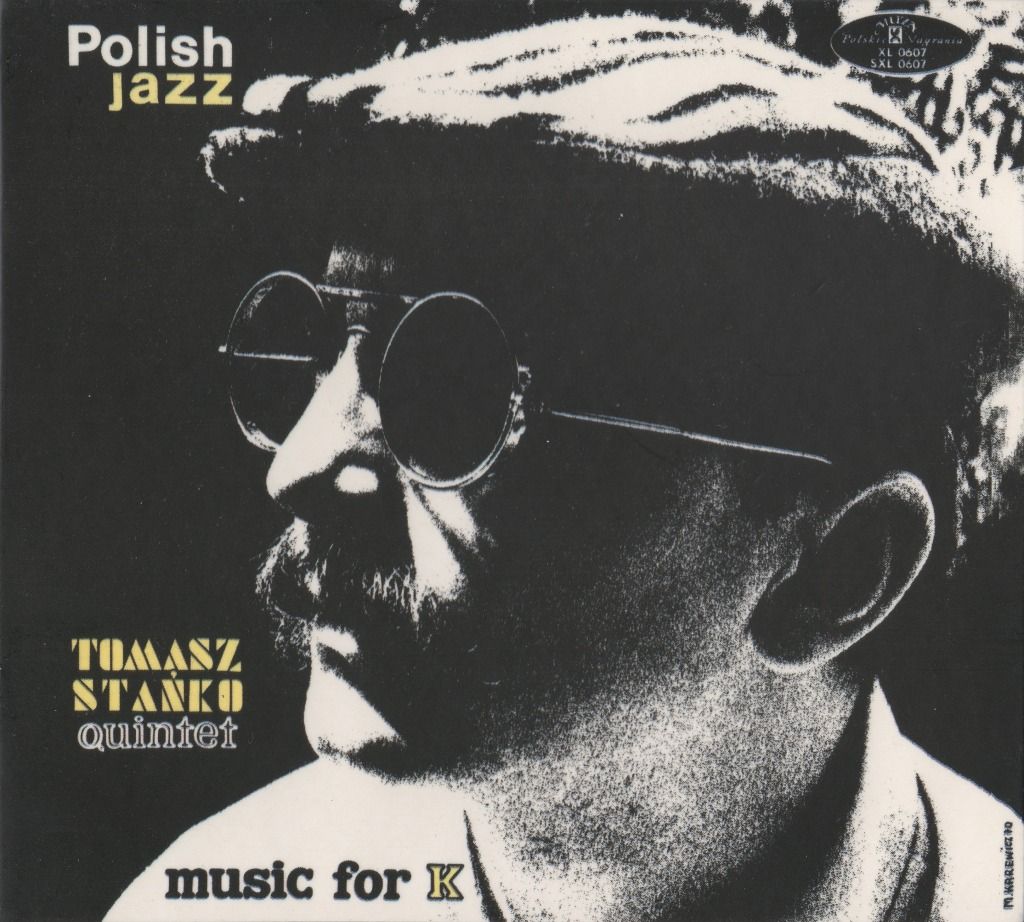
Tomasz Stańko - Music for K


These days, what's probably the biggest obstacle for Polish trumpeter Tomasz Stańko's 1970 debut is that it says "Polish Jazz" in the top left corner, leading to some reasonable assumptions that it's going to be some sort of fusion of polka or mazurka and American jazz, and some perhaps less justified assumptions that it'll be crap jazz because it's not American.  Not only are both of these assumptions proven incorrect by the music contained in these (digital) grooves, an album like this provides key evidence of the roots of the compositional framework that British/European jazz fusion bands like Nucleus and The Soft Machine utilized in the mid-1970's, but also that the narrative of jazz history in Europe is unjustifiably incomplete and marginalized in comparison with that of America.

Now, anybody in the know about this period of European jazz will probably acknowledge that I'm sort of getting ahead of myself by starting with Stańko's debut--many would cite Krzysztof Komeda's 1966 album Astigmatic as the most important illustration of the above points...in my own feeble defense, let's just say that this was the album I decided to review today for no other reason than that it's the one my eyes landed upon and seemed like a good one to write about.  Music for K is indeed a tribute to the late Komeda, on whose watershed Astigmatic album Stańko also played trumpet, and who is credited with contributing heavily to the development of a distinct flavor of European jazz that started in the 1960's and has continued to present.  Assigning credit is important but not as much as acknowledging a quality piece of work.  Here the influence of Komeda (who also had extensive film score experience including Roman Polanski's Rosemary's Baby) and Astigmatic are felt both in a sense of cinematic drama and a tonal palette that trades much of American jazz's jubilant euphoria for a darker, more cerebral form of expression.

The opener "Czatownik" both recalls Komeda's descending chromatic piano themes and predicts the tangled melodies that the aforementioned electric fusion groups would favor, with alto and tenor saxophones blurting rapid fire unison themes with the trumpet before things start to get more shambling, with each voice separating into an upward call that again lines up for a dramatic fanfare.  One of the things I really appreciate about this music is the shifting dynamics--things can go from blaring horns to sizzling quiet in an instant--the bass and drum interaction is prime here (check out that drum sound around 3:30)--and the piano-less lineup both points to the absent Komeda  and allows for alternation between skeletal frameworks and a spotlight on the wind instruments' melodies, not to mention a huge potential for free playing, of which there is an abundance.

In trying to define the specifics of a "European" jazz sensibility, my instincts are to point at its richly developed classical tradition, which seems to be borne out in a predilection for ostinato (check out the gently pulsing reeds in "Nieskonczenie Maly," and their darker, more anguished and dissonant counterparts in "Cry") and song structures that seem more linear than the typical circular jazz structures (head, solo:, head).  Things reach their freest and most intense in the 16-minute title track, which climbs a series of crescendos and mini-dips to a collective caterwaul, then steps back down across one of the album's greatest drum showcases to a squawking conclusion.

More than anything, the quality and energy of the playing on this album raises questions about the relative obscurity of the players here and severely shakes my confidence in a completely American-centric jazz narrative...we need better informational resources and access to more great music like this!  On the plus side, if you're feeling like you've exhausted the available avant-garde American jazz and everything's sounding a bit too happy and boppy for you, maybe there's hope in the Old World's "new" jazz--who knows what else we're still missing!

Get it here.

Tuesday, June 5, 2012

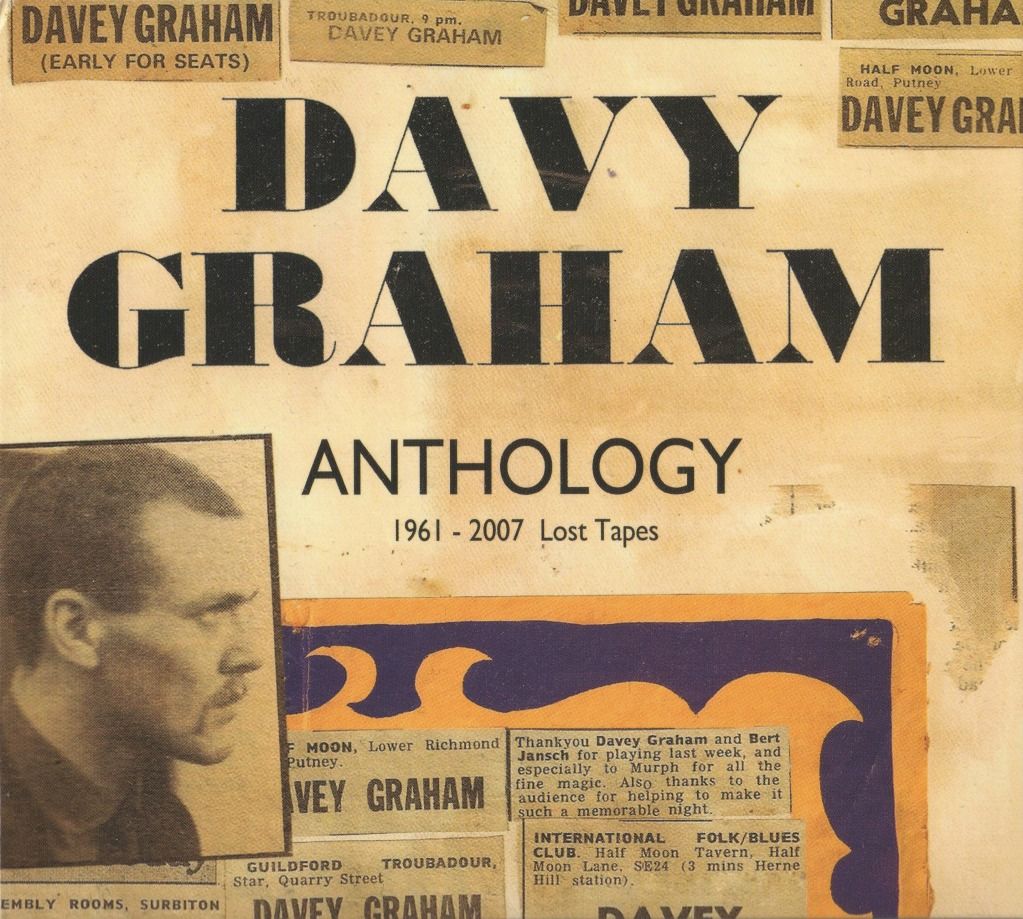
Davy Graham - Anthology: 1961-2007 Lost Tapes


Almost four years after Davy Graham's death, the folks at Les Cousins Music are still working not only to preserve his officially-recorded legacy, but also to expand the scope and depth of his output, making it clearer for those who weren't there why the guitarist was the undisputed king of the 1960's English folk revival.  Nostalgically packaged in a collage of images gleaned from Graham's personal scrapbook (and simultaneously displaying both spellings of the guitarist's first name he confoundingly vacillated between), this three-CD collection anthologizes no less than 54 tracks across more than 2 1/2 hours of unreleased recordings.  Count me in!

It's a fool's errand to attempt a track-by-track analysis of an anthology so deep, so I'll attempt to convey some general impressions and reference tracks where appropriate.  Having been a Davy Graham fan for several years, I think I'm finally starting to understand how, as Roy Harper says, Graham "never managed to turn his talent into a brand that people could go out and buy and enjoy," yet every other guitarist from the same time period and beyond cites Graham as a towering giant of the six-string.  After five years of absorbing Graham's studio output I'm still at a loss to recommend a single album of his that fully conveys and encompasses what was so revolutionary about his playing, and not having been there it's been hard to picture myself in that bright-eyed hopeful time and imagine myself at some bohemian party with Graham conjuring untold spirits out of an acoustic while everyone just sits and listens.  Enter this anthology, which as far as I've heard does the best job this side of After Hours at Hull University of recreating such a scene.  The sound quality (especially on the first two discs) is almost exclusively of home/bootleg quality and most of the performances are solo, with Graham positively shredding in front of small audiences as he sends jazz, folk, blues and "world music" (before such a term existed) through a blender and we get to hear what comes out.

Since it's mostly just an acoustic with or without vocals, the sound quality isn't much of a bother--if anything, it enhances the intimacy of the performances, which find Graham energetically blasting solo performances of many of the folk and blues songs found on his albums as well as never-before-heard tracks.  Throughout, his technique is astounding, transitioning as quickly as ever between lead and rhythm, melody and harmony, from style to style.  Somehow the setting's informality allows the guitarist's hard-won chops to shine brighter with none of the studio adornments meant to commercialize his sound, and we instead get to hear him exclaim "Ah, fuck" after some imperceptible mistakes during a lightning-fast take on Leadbelly's "Fannin Street" with nary a missed note, as well as a verbal introduction to his classic instrumental "Anji" (there are two versions here, along with an unreleased track and album highlight "Anji's Greek Cousin") that details how he wrote the tune.  While the live renditions of guitar-and-vocal folk/blues tunes present uniformly great guitar and often contain vocals that are superior to the studio versions, they also miss the mark when it comes to what made the guitarist unique--more than almost any other Graham album, this anthology conveys the strange alchemy that occurred between Graham's musical influences, his fingers and his guitar, and these discs present ample, undiluted evidence of what was possible when only these elements were on display.

Of the three discs, the third is probably the least essential, reflecting the diminishing returns that Graham's post-60's releases offer, yet it often sounds more vital than studio recordings from the same period.  Though Graham's lifestyle choices and age would gradually slow his playing and attenuate his already limited vocals, we still get some surprisingly good representations of the more delicate British folk, jazz, medieval-sounding instrumentals and world folk music explorations he continued to make through the 70's and beyond.  "The Gold Ring" shows his pull-off speed undiminished, "Sita Ram" and "Mevlut" pair his further eastern experiments with appropriate accompaniment, and "DeVisee Suite" shows a subtle, slower side to his playing that was all but absent in the early days.  The final late-period tracks remind us that we're summing up the career accomplishments and contributions of a distinctive force in 20th century popular music.  As with his 2007 swansong Broken Biscuits, the joy here comes less from marveling at jaw-dropping speed, but more from giving credit where it's due and appreciating that the man's muse was still active at the end.

While I still think it's impossible to recommend an accurate starting point for a prospective Davy Graham fan (it takes more than the average time investment to really "get" him as an artist), this anthology is a surprisingly worthy addition to even a modest Davy Graham collection.  Unlike so many retrospective collections, it manages (with the help of Graham's considerable skill and restlessness) to make familiar songs sound fresh and new songs sound immediate and relevant to the further-broadening portrait available of Graham as an artist. 

Get it here.

Wednesday, May 9, 2012

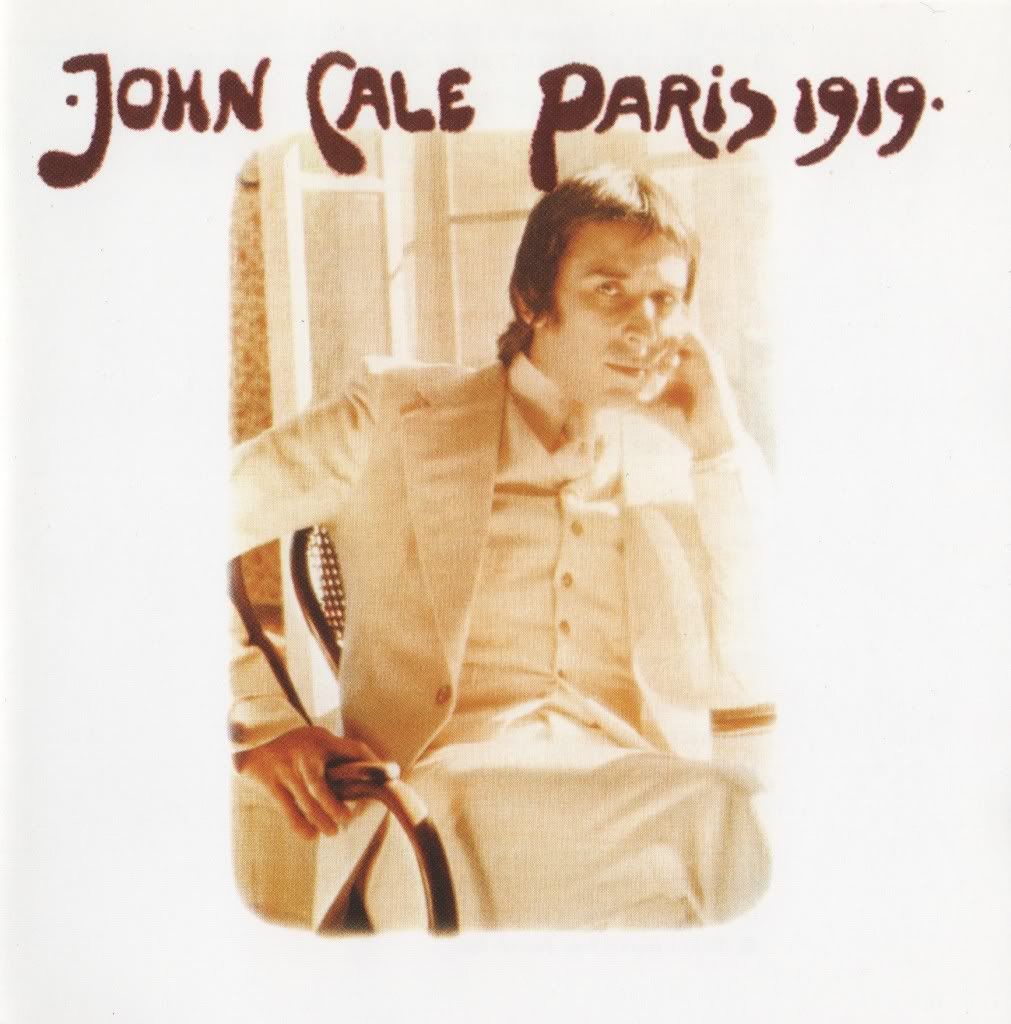
John Cale - Paris 1919


Another album I've rediscovered in the past few months, iTunes tells me I've listened to this album over 10 times.  Though I wouldn't consider it a major favorite I was trying to think of something soothing to listen to after a difficult session and this album instantaneously popped into my head.  After listening a few more times it's not hard to pinpoint why the album produces such a specific reaction: everything--from Cale's half-obscured vocals to the slide guitar, organ and strings that dominate the arrangements--everything here is the aural equivalent of being wrapped in an old but still comfy quilt (rainy day included).  If I may, it's these kinds of feelings that a lot of people might be describing when they say an album or song sounds "British" as if it's a genre or aesthetic descriptor.  There's a pervasive sophistication in these songs that seems to be uniformly reigned-in by an instinctual desire for understatement, and they all seem grounded in the sort of beauty that takes some attention to uncover and--no matter what the subject matter--is touched by a sort of resigned sadness.

Not to say that Paris 1919 is a downer, but if you're looking for some sort of extension of Cale's role in The Velvet Underground, you're likely to be repeatedly disappointed.  Sure, there are comparative moments of "rock" like the romping "Macbeth" and the quirkier, Eno-esque "Graham Green," but really nothing close to anything found on early Velvet Underground.  Not being much of a Velvet Underground fan at all, this doesn't really bother me, but I can see how this album's style might come as a shock--you're going to have to also enjoy pretty, orchestrated pop rock to make the transition to this one! 

There's so many things to enjoy in this album, from the evocative-yet-cryptic lyrics (Cale jumps from a brilliant one-liner in "nothing frightens me more than religion at my door" to the completely indecipherable titular chorus in "Hanky Panky Nohow").  The opener and "Andalucia" evoke a fragile nostalgic yearning that's only made stronger by the songs' simple and accessible melodies.  I can see how things might get a bit plodding for rock listeners ("Half Past France" gets a bit sedate, at least tempo-wise), but like many great pieces of art, a lot can change when you give yourself over to the creator's vision--when you're into it, Cale's repeated "we're so far away/floating in this bay" delivers a desolate, opiate euphoria.  Likewise, "The Endless Plain of Fortune" can change from plodding excess to gripping drama, and Cale's whispered vocals on the brilliantly-titled "Antarctica Starts Here" close the album with the sort of creepy intensity that only restrained dynamics and brevity can bring--in a scant two minutes the song is already fading away, closing the lid on a similarly terse album; packing your message into a concise package is a difficult feat to achieve, and I'm always impressed by how much more power a 31-minute album like this can pack into such a short time span.

Finally, I have to praise Cale's vocals--nothing makes me happier than hearing a great songwriter and musician achieve so much emotional resonance and deliver such beautiful performances with such a limited voice--there's nothing displeasing about Cale's delivery or tone, but it's fair to say he's not the most distinctive, technically-skilled or expressive vocalist.  That's the beauty of great singer/songwriter music--when it all comes together and the elements of composition, arrangement, performance and self-expression add up to something greater than their individual merits.  Though it may not sit at the front line of close-to-my-heart favorites, my collection always has more room for music as well-crafted as this!

Get it here.

Thursday, May 3, 2012

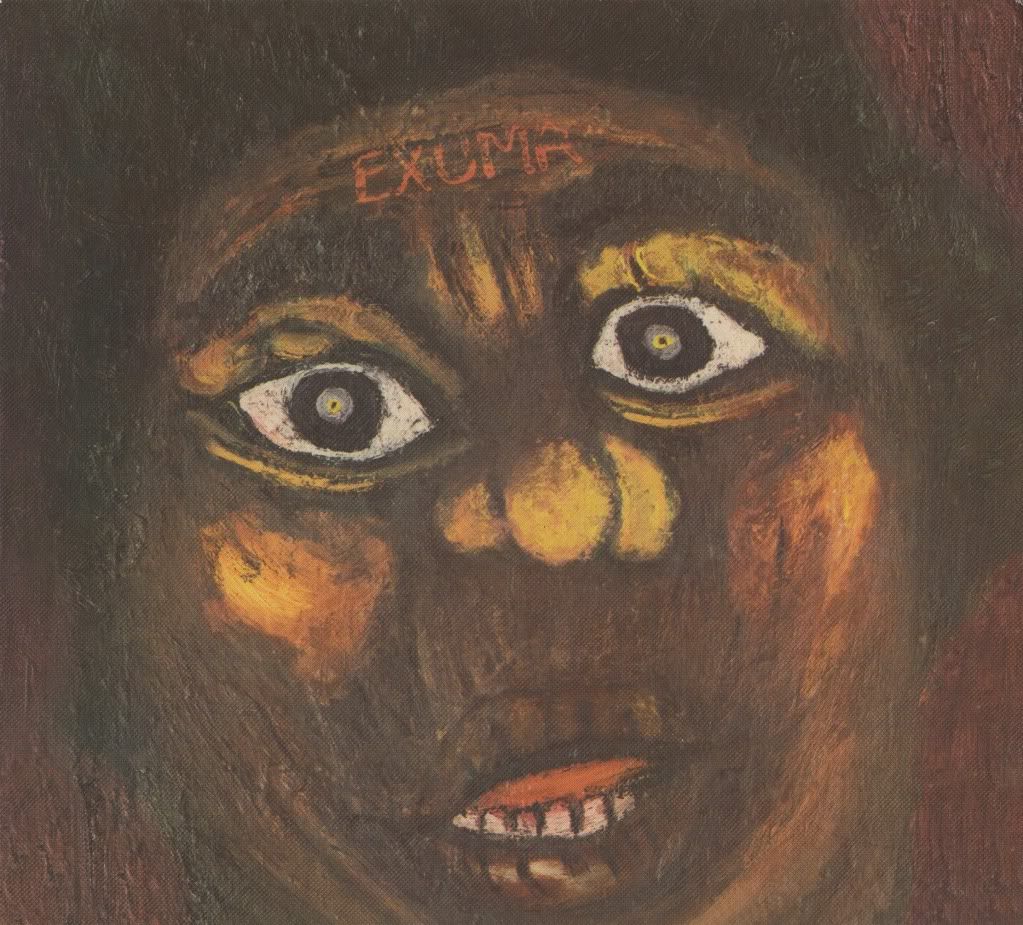
Exuma - Exuma


Getting deep into a recording project, I've found I usually go through a specific progression in my listening habits.  At the beginning, I'll keep listening to my never-ending queue of new music as a sort of respite from the day's work of composing parts and worrying about small details.  As the project starts to take shape and I realize I'm getting somewhere close to actually completing it, it gets harder and harder to tear myself away, and all I can do is compulsively listen and re-listen, fretting over the relative strength of the tracks, what should be done during mixing, whether I need to come up with more songs, and what track sequencing will eventually look like.  During this phase my exploration of new music all but dries up--if I check out something new, I find I don't even fully pay attention and maybe won't even give the music a fair shot--not ideal!  At the same time, though, when I've got a spare 40 minutes, I might pull something random out of my back collection that I haven't listened to for quite a while--because it's already familiar I don't have to pay complete attention, but the result is usually quite pleasant.  Such was my recent experience with Exuma's 1970 debut--reacquaintance with an old friend, and a fresh perspective on the kind of decisions available to musicians. 

This album makes great use of that most classic option available to singer/songwriters--create a ridiculous, outlandish personality for yourself and perform an entire conceptual album in that persona (cf. Comus, Captain Beefheart, and especially Dr. John circa Gris Gris, to which this album owes both a conceptual and musical debt).  Whether or not Exuma is actually a practitioner of obeah is pretty much immaterial--this disc is an immersive experience of primal witchcraft and dangerously good times.  In the tradition of "Seventh Son," the album opens with some classic boasting, with "Exuma, the Obeah Man" standing as a howled litany of Exuma's supernatural abilities over an appealingly filthy musical canvas of strummed acoustic guitar, hand percussion, chanting and animal sounds.  Exuma's voice is awesome--thick, edgy and surprisingly nuanced as the album goes on; few people can go from tender and soft to throat-shredding roaring with such ease, and it perfectly complements the weird song program on display here.

After the first track's invitation, the album practically plays like a field recording of an obeah ritual, including an ode to "Dambala," wherein Exuma chillingly assures us that we won't be going to heaven or hell, we'll just be stuck in our graves with the stench and the smell...over one of the album's most liltingly beautiful melodies.  We get explicit zombie references in "Mama loi, Papa loi," spiritual testimony in "The Vision," and an extended séance in "Séance in the Sixth Fret."  The reason I wrote earlier that this album makes me think of the choices available to musicians is that Exuma makes some strange and specific ones through the course of the album--instrumentally, it's pretty simple, with nary an instrumental melody to be found (lead and background vocals bear that burden) with commitment to the album's concept sometimes overriding the call for actual songs ("Séance..." isn't so much a song as it is something more like musical performance art, while "Junkanoo" is a fantastic but structure-free percussion jam).  Considering this, it's surprising when a fully-formed Caribbean folk song in "You Don't Know What's Going On" shows up to entertain us with verses, choruses, and absolutely nothing to do with the rest of the album's concept.

I really like how an album like this demonstrates it's possible to pursue alternative goals and produce music just as thrilling as an album full of "good songs;" it's as heartening as it is entertaining, though the challenge of spinning a great album out of personality and mood is probably much harder to achieve than by simply writing some great songs.  As such, Exuma is an album not quite like any other and one that contains some great songs, but ultimately stands best as an album-length statement than it does when you try to pick it apart song-by-song.

Dive into this bizarre world, and get it here.

Monday, February 27, 2012

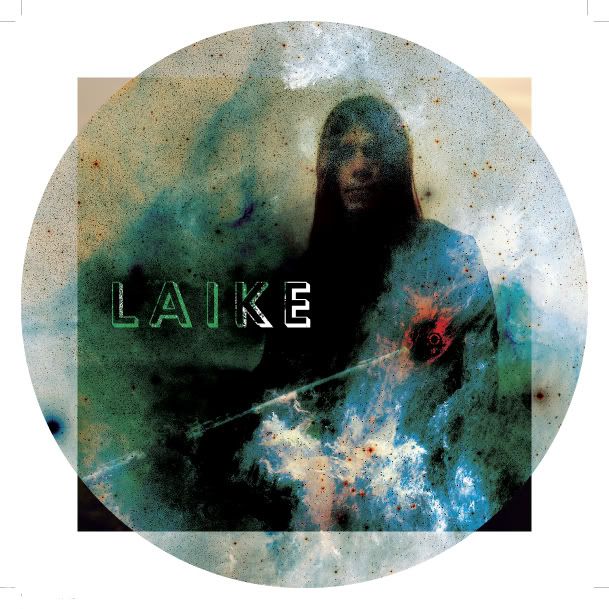
Laike - Långt från stadslivets dån


Today I've got the pleasure of writing about an independent artist's album on the day of its release.  Laike is a Swedish artist whose debut solo album Långt från stadslivets dån is released today on British label Les Cousins, one that's got a special place in my heart for reissuing most of Davy Graham's back catalog and making possible his welcome (if painfully shaky) 2007 swan song, Broken Biscuits.  Laike is the artist moniker of a sort of one-man show in Christofer Ståhle; he writes, sings and plays guitar, piano and flute here, though he's joined by a number of friends performing various instrumental duties.  Laike's album notes refer to a recent enthusiasm for 1970's British folk rock bands like Fairport Convention and The Pentangle (I also hear some Comus in the violin parts), and I think there's a lot here to compare with that music but there's also a lot more here.

I spend a lot of time as a musician and writer worrying about originality and distinctiveness--not necessarily expecting others or myself to produce a musical product that's never been done before, but rather hoping to avoid the decisions that have been made so many times by other artists that they're both clichéd and (for lack of a less snobby word) lazy.  Listening to Laike's debut I come to the realization that the fact that much of the music here sounds stylistically familiar really isn't a problem.  As a listener who's pursued some of the same bands, I feel that the progressive folk, acid folk, eccentric singer/songwriter (or whatever you want to call them) fields are specifically underdeveloped and any contemporary artist who makes a point of further exploring those areas has both a rich and varied template to draw from, but also a multitude of unanswered musical questions and new directions to explore.  Perhaps I'm biased, but I think that as long as the personality, enthusiasm and artistry match the music heard on this album, there's plenty of room for more music in these areas and it'll be quite a while before their ideas are exhausted.

On to some specific impressions--on first listen, Laike's debut is an unassuming collection of straightforward, gently floating melodies framed by accessibly organic arrangements of mostly acoustic instruments playing parts that are sometimes instrumentally impressive but always designed to serve the songs.  As always hoped-for with this kind of music, further familiarization shades the hookier aspects with all kinds of subtle nuances (like psychedelic electric guitars you won't even notice until the third spin) and details that both broaden the experience and speak to Laike's craftsmanship and judgment.  For the most part, the songs are split between buoyant folk-rock like tunes as found on the opener "Modeslavarnas marsch," "Gladiatorkamp," and "Du är mer än vad jag ser" (where the violin riff, bass line and Dave Mattacks-like drumming most closely recall the aforementioned British bands), and quieter acoustic numbers like "Ensamhetens borg" (where Laike's guitar takes on a Jansch-esque swing), the playful melody of "Bygger stegar upp till himmelen" and the spare-yet-trippy "Städernas tid blev inte lång."  Then there's the stuff that's something more, where jazzier tendencies meld with overt pop instincts and melodies like the great guitar riffing and grooving Fender Rhodes on "Långt från stadslivets dån" or the frantic 5/4 piano riff that anchors the valedictory "Tankefabriken."  And let's not forget the spacey field recordings that bookend a few of the tracks, pitting Laike's voice and flute against boundless natural reverb with great textural and thematic effect, not to mention how far they stretch past the folky feel of the rest of the music. 

Laike's voice, guitar and flute run throughout as cohesive threads, his voice especially providing an ethereal lightness and impressive depth of expression to the songs, at times reminding me of singers like Duncan Browne and Jorge Ben in its deceptive delicacy.  I only read the English lyric transcriptions Christofer sent me after listening to the album a few times--I'm surprised how dark they are in relation to the music, dealing with themes of the oppressive nature of urban life (the title translates Far Away from the Noise of City Life) but also isolation and a frustration with the state of the world.  Luckily, the beautiful melancholy of the music and a few moments of hopeful idealism tug the emotional feeling back into the satisfying realm of coldly shining Scandinavian bleakness.  Långt från stadslivets dån is an album I'm both happy to share and an album I'm looking forward to getting to know even further--congratulations to Christofer on a job well done and best of luck as he continues on his artistic path and releases this music to the world! 

Get it here.

Tuesday, February 14, 2012

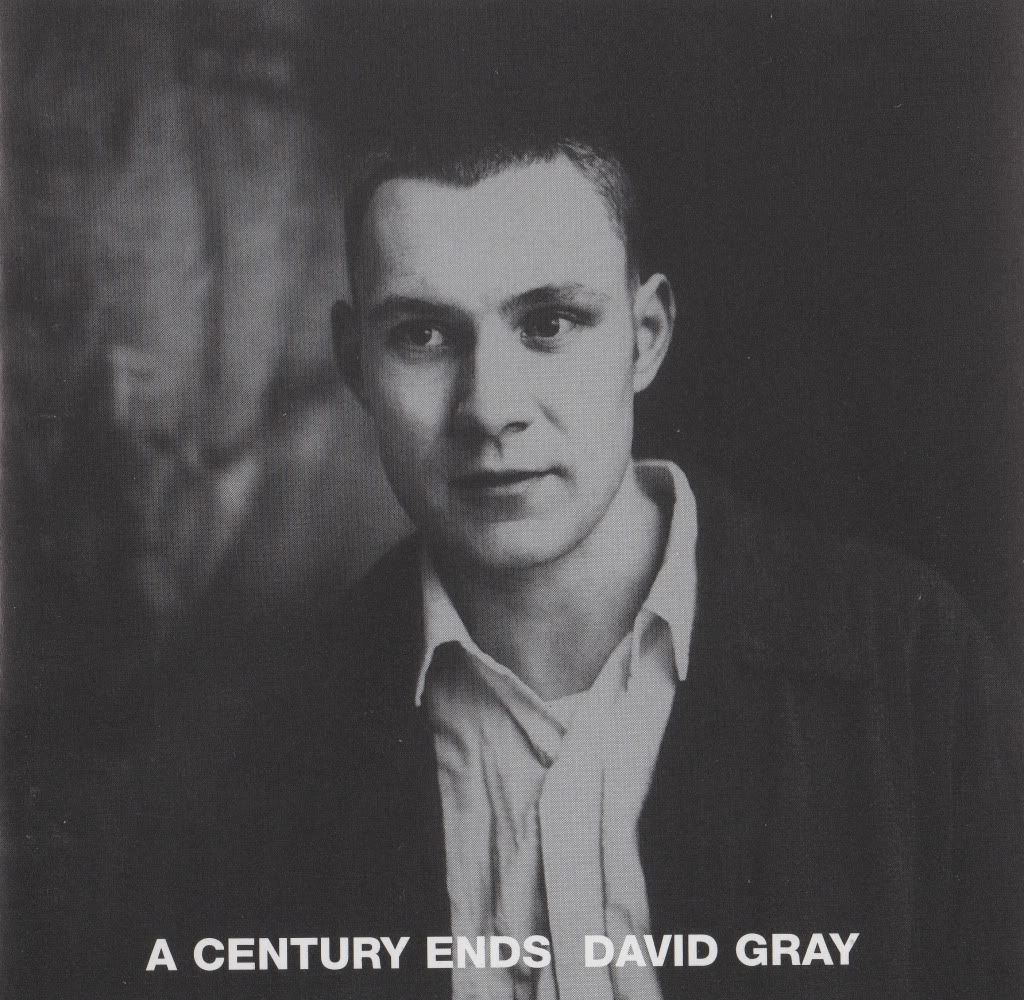
David Gray - A Century Ends


After a busy couple of weeks in the studio, here I am back again to talk about some more music (another Cheap Seats installment should be issuing forth pretty soon as well).  I first got into David Gray since seeing him live in 2001 when he was just breaking through with White Ladder.  Since then I've stayed a fan as his popularity has ebbed and flowed, but it wasn't White Ladder that cemented my support--it was Gray's back catalog, and especially Flesh and A Century Ends, his 1993 debut.

Though Gray's first couple albums display his liking for Van Morrison and Bob Dylan a lot more than his more recent stuff, they're also a lot more focused on pure songwriting than fusing electronic and accessible acoustic elements than his breakthrough albums are.  The arrangements mostly center on Gray's acoustic guitar, though there's some uncharacteristically (for Gray's music) overdriven electrics that accentuate some of the album's edgier tracks.  What always draws me into A Century Ends is the fact that it's much angrier than Gray's later works--as he's matured his cynicism has often been re-routed into less recognizable forms as he strives to keep his music accessible and prolong his mainstream popularity.  Here, though, Gray rails against the apathy and decline he sees in society on songs like "Let the Truth Sting," "Birds Without Wings" and the title track, singing in a sometimes growling brogue and spitting bile with every line.  Revisiting this album I occasionally feel that Gray's poetic lyrics are occasionally a bit florid and sound exactly like the kind of stuff an earnest, angry 24-year-old writes (which probably explains why I liked it so much when I was a teenager), but he repeatedly delivers goods that offer insight beyond his years with lines like "when the cat comes/we're just birds without wings."

Also noticeable throughout the set is a sort of dingy grit that comes with the life of a frustrated young artist--"Debauchery," "Living Room" and "Wisdom" abound with grimy urban imagery and a sense of urgent desperation that rarely appears in Gray's works these days.  This might be most evident on the quietly simmering "Lead Me Upstairs," which focuses the album's themes of innocence lost and disillusionment into the image of a single romantic encounter.  What really balances Gray's youthful angst, though, is a few unassumingly gorgeous tracks that blend the singer's exuberance with an open-ended bittersweetness and depth that's occasionally lacking on some of the collection's more straightforward material.  The opener, "Shine" continues to be one of Gray's finest heartbreak songs, based on open-tuned guitar and rising to a crescendo that sees the singer experimenting with Van Morrison-like vocalizations.  "Gathering Dust," further develops a quiet sense of searching, featuring one of the album's most memorable melodies (delivered by Gray's wordless na-na-na's).

While it's probably true that A Century Ends presents some of David Gray's least mature material, it's also refreshing to hear someone singing passionately and obviously caring about the subject matter, even if the wide-eyed sincerity of youth is a little overly-apparent.  And while the music sometimes suffers the characteristic fate of existing merely as a platform for Gray's voice and lyrics, he does present us with a lot to enjoy in those departments.  I've heard Gray speak mildly disparagingly about his first few albums and say that the too-familiar folk rock arrangements were part of the reason he didn't achieve success before White Ladder (not to mention that this album is a way too British-sounding to find widespread success overseas).  That may be true, but listen to both albums in 10 years (or maybe even now) and I bet this collection sounds a whole lot more difficult to date in comparison.  While Gray has continued to tread middle-of-the-road territory with his recent albums, he always seems to show glimmers of the insight and un-poplike impulses that made his early stuff so compelling.  He's got his fair share of detractors who validly point out his overplay and recent blandness at the expense of recognizing his well-developed craft, but I live in hope that his continuing maturity and subtlety will again result in something that aims to challenge more than it does generate another safe adult contemporary hit.  A taste of success seems to often instigate a hunger that's fraught with compromise, and that feeling is never evident on A Century Ends.

Get it here.

Saturday, January 28, 2012

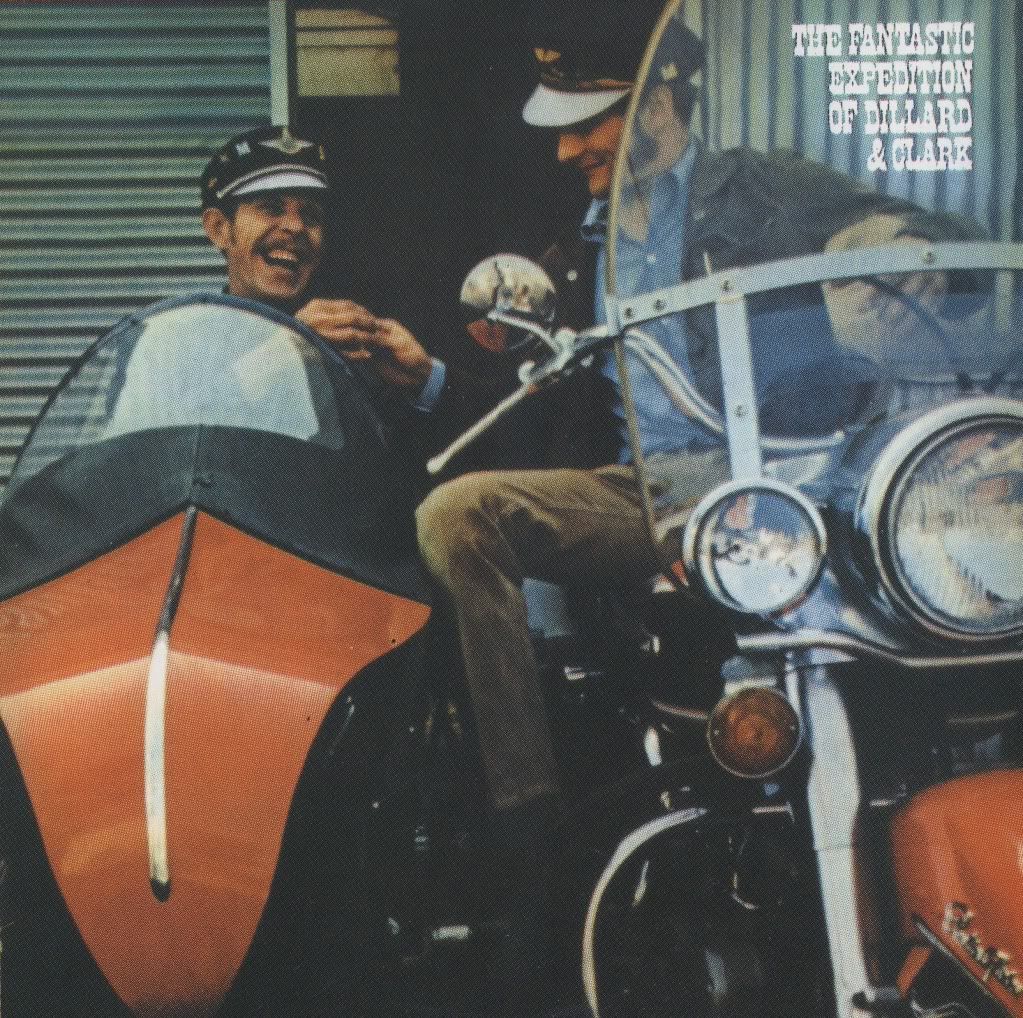
Dillard and Clark - The Fantastic Expedition of Dillard and Clark


The other night I was having trouble choosing something to listen to--ultimately, instead of one of my recent jazz purchases, I reached for this--Gene Clark's first (of two) albums with bluegrass virtuoso Doug Dillard, sandwiched between his post-Byrds solo debut Gene Clark With The Gosdin Brothers and the stunning White Light.  While a lot of country rock aficionados like to place this album as one of the first country rock collections, I prefer to think of it in the context of Gene Clark's discography as both his first masterpiece as a performer and songwriter as well as the only full album where he's complemented by an instrumentalist with an equally impressive and distinctive personality.

It's a Gene Clark album, so of course there are some great songs--"Train Leaves Here This Morning" is likely many people's favorite with its laid-back swing and one of Gene's best ambiguous chorus lines since "I'll Feel A Whole Lot Better" with "there's a train leaves here this morning/I'm not sure what I might be on."  The arrangements still show a Byrds-like penchant for thick harmony vocal arrangements, but to my ears Dillard and company provide considerably stronger accompaniment.  Also quickly noticeable are "Out On the Side," which showcases Clark's aching emotional vocal delivery backed by a full band (organ included) arrangement, and "Don't Come Rollin'," which starts as a loose harmonica jam and builds into a buoyantly conversational tell-off replete with some fast-talking from Clark, not to mention a hash reference. 

As usual, though, the songs that withhold their treasures for patient attention are ultimately just as interesting--"She Darked the Sun" proves Clark was able to adapt his songwriting to an old-timey bluegrass aesthetic while at the same time dropping crushingly modern lines like "with the length of her mind she darked the sun."  Even more affecting is the album's one-two closing punch--the jubilant banjo and familiar bass pattern of "The Plan" belie Clark's desperate existential searching, and "Something's Wrong," focuses the songwriter's profound melancholy into one of the most powerful coming-of-age songs I've ever heard, full of childhood reminiscences and a devastating bridge--and with its album-closing fiddle denouement it still clocks in under three minutes. 

These would still be great songs even if Clark were just singing them with an acoustic guitar, but Dillard (as well as Bernie Leadon) provide a shimmering backdrop of banjo, mandolin and lead acoustic guitar that adds both depth and warmth to Clark's songs as well as playing that's worthy of focusing on for its beauty alone.  Dillard's banjo skills in particular are mesmerizing--his speed is remarkable, but even more so is his ability to change up his picking patterns on the fly, providing a rhythm/lead accompaniment that constantly and fluidly changes.  It's also worth noting how well the album incorporates subtle psychedelic production elements--the harmonies in particular lend themselves to such treatment, as the brilliant instrumental section, break, and final chorus of "With Care From Someone" demonstrate, and the inclusion of harpsichord on a number of songs adds a sort of exoticism that again reminds us that what we're listening to is more than just a bluegrass album with original songs--check out the trippy swelling atmosphere at the end of "The Radio Song"--it was 1968, after all. 

Even though this album clocks in under 30 minutes and the follow-up utterly fails to live up to its predecessor, The Fantastic Expedition of Dillard and Clark lives on in my collection as a perfect collection of songs and performances--listening to it the other night was like having a conversation with an old friend.

Get it here.

Wednesday, January 25, 2012

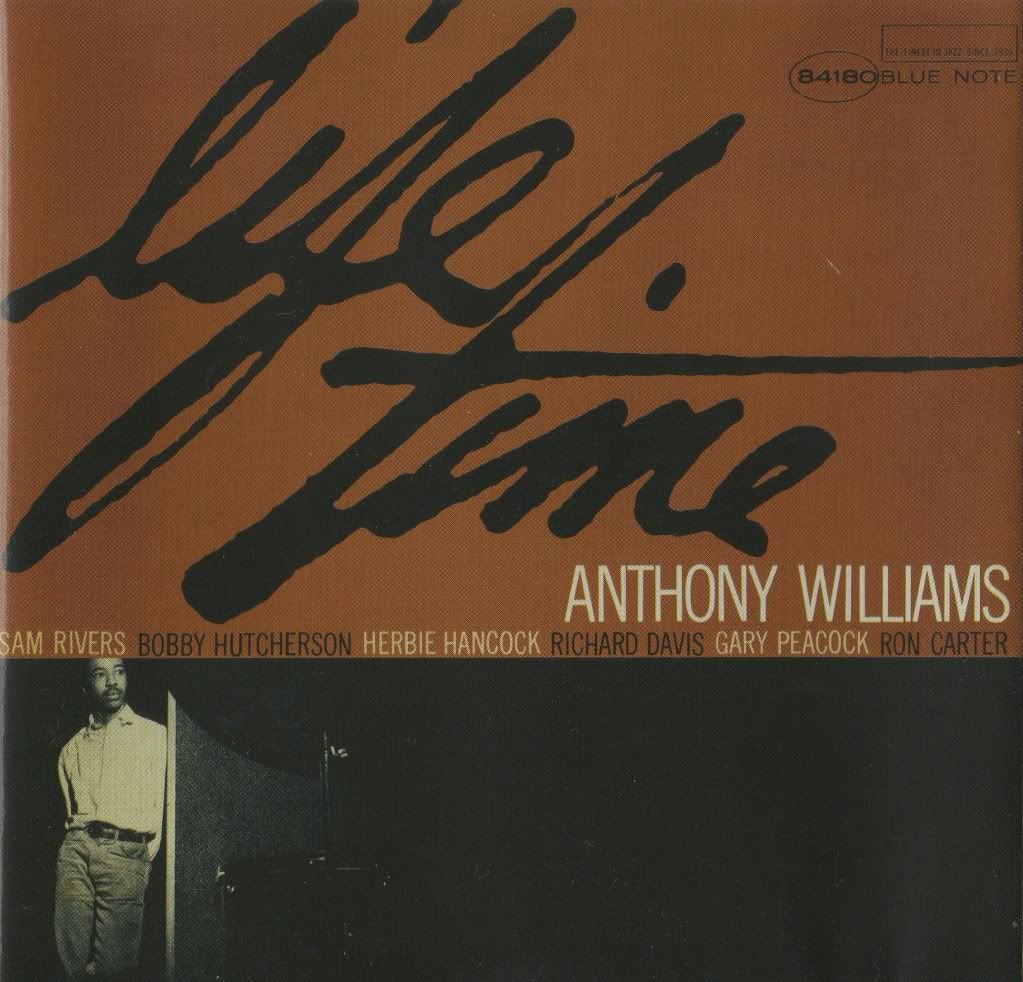
Tony Williams - Life Time


By 1965 and this--drummer Tony Williams' first set as a leader--the then-17-year-old had already been working with a slew of talented and innovative jazz artists, including Herbie Hancock, Eric Dolphy, Andrew Hill, Sam Rivers, Jackie McLean and Grachan Moncur III (not to mention his recent incorporation into Miles Davis' Second Great Quintet).  Listening to Life Time, it's clear that Williams was listening closely to what the latter two were doing, especially on the sessions for McLean's One Step Beyond and Moncur III's Evolution.  For me, this album represents one of several high points from the period when it comes to a distinctive brand of avant-garde jazz that seems to favor space over wild soloing.

You know from the eerie, quietly intense opening melody of "Two Pieces of One: Red" that this isn't going to be a typical bop album, but as Sam Rivers' tenor fades out and dual bowed basses from Richard Davis and Gary Peacock gently arpeggiate it's apparent that this subtle opening isn't going for the explosion your ears might expect.  One of the bassists takes the first solo, and from then on you can rest assured that we're not returning to the usual structures or sounds for the rest of the album.  "Two Pieces of One: Red" and the rest of Life Time are typified by a restrained, spacious atmosphere wherein solos take place with very little backing instrumentation (aided considerably by the fact that there's no piano on three of five tracks) and rarely take off into the rapid-fire solo excursions popular even with some of the players on this disc--Sam Rivers is surprisingly subdued here, but he manages to ride the transition with little difficulty, relying more on dynamics and the presence/non-presence duality that's much more of an option when you're playing in a musical landscape as open as this one.  Indeed, the overall sound of this album owes as much to the theoretical advancements of John Cage as it does to free jazz pioneers, setting up blocks of silence as both an effective compositional tool (making it easier to tell when the sometimes skeletal compositions are moving to another section) and as an invisible member of the combo, giving the players another (absence of) sound to play off and somehow adding depth and intensity to the sounds that are actually present.  Williams' drums in particular seem to particularly smolder in the open, reverb-heavy environment, with his brushwork lifelike in its texture and his cymbal work especially benefiting from miles of reverb and a lack of competition with other instruments (and himself, for that matter--this music wouldn't be so great if the players didn't match the mood by leaving a little space in their own playing).

"Two Pieces of One: Green" is the album's longest track, with Rivers contributing some more of his characteristic fire and blasting some really juicy overtones, while Williams explores the toms and un-snared snare.  While the subtle melody of some of the album's other tracks gradually reveals itself, this track is one of the freest of the bunch, demonstrating amply that free jazz doesn't have to always consist of several instruments blaring at the same time.  "Tomorrow Afternoon" comes closest to hard bop in melody and swing, but gradually breaks up into greater and greater caverns of space, like the floor is dropping away from the comfortable atmosphere that was so briefly established.  "Memory" drops Rivers and brings vibraphonist Bobby Hutcherson and Herbie Hancock in for a bassless free improvisation that sees Hutcherson and Williams riffing off one another quite effectively, with the vibes providing just enough of a tonal anchor; with Williams' wood block and other hand percussion providing yet another noticeable textural contribution.  The arrangement is so sparse that when Hancock finally asserts himself around 5:30 with a brief chord, it sounds like the loudest, most melodic thing you've ever heard.  The album ends with "Barb's Song to the Wizard," a piano and bass duet with no drums--the tense melody nods to Williams' aforementioned work with Moncur III and McLean.  Unlike those great albums, though, Williams always seems to take things one step further, providing no real traditional bop tunes to appease nervous listeners and committing fully to the album's mission statement.

The fact that this album works so well with such a piecemeal, rotating assortment of players exclusively playing the compositions of a 17-year-old drummer is a testament both to Williams' skill and unheard-of musical maturity at the time, but also to whatever it was in the air at the time that made all of these players so assured in their judgment, synchronicity and adventurousness.  Life Time is a grower in the best sense of the word--sounding like nothing much on first listen but gradually unfolding into a paradoxically dense work, considering its relative quietness--and every time I listen to it I find myself asking "Why isn't there more free jazz like this?!"  Luckily a little research into the discographies of the artists involved here yield further pairings in the same time period and several great albums in the same vein.  While Williams would go on in the next few years to collaborate with some of avant-garde jazz's most acclaimed albums (as well as Miles Davis' less challenging but equally iconic work [I bet he hated this album]) before heading into fusion territory, he did reconvene with some of these players for the nearly-as-excellent Spring, but no album I've found has done such a good job of fusing an AMM-like free improv space aesthetic with "traditional" free jazz harmony and melody--recommendations welcome!

Get it here.

Friday, January 20, 2012

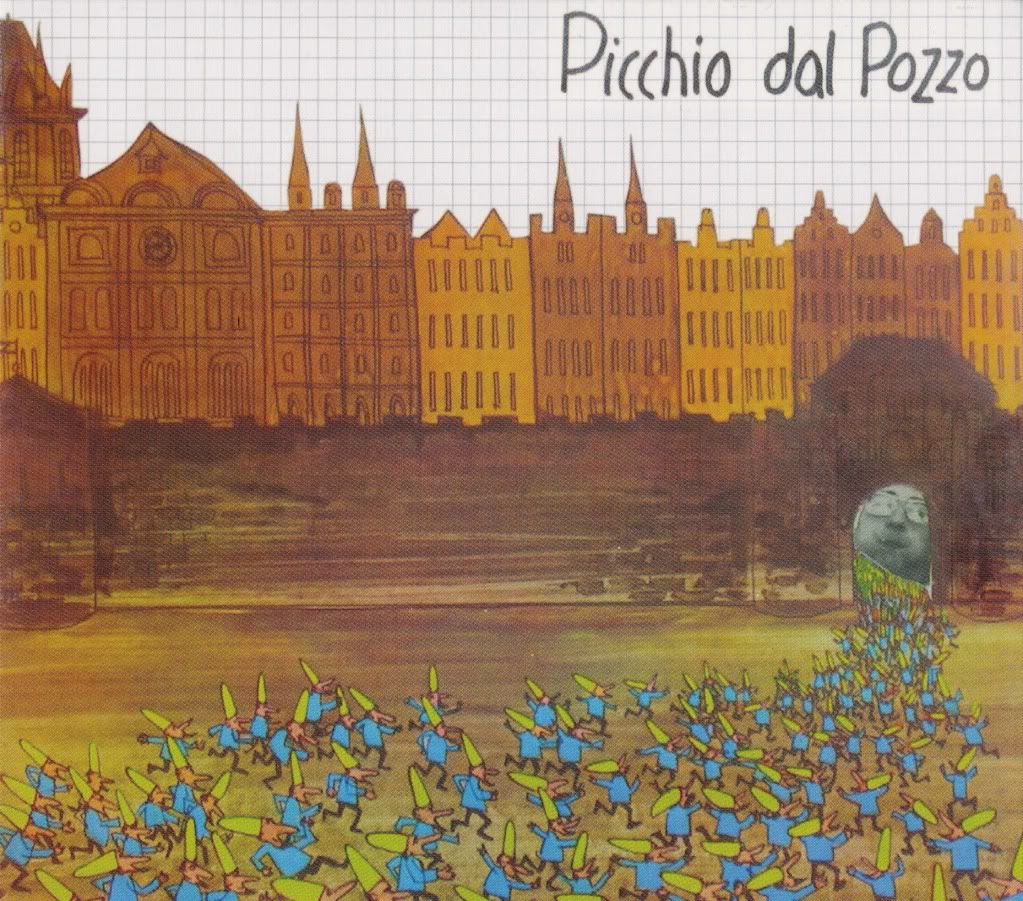
Picchio dal Pozzo - Picchio dal Pozzo


To round out this week's Canterbury Scene focus, here's one of the best examples of how the scene's sounds eventually transcended their geographical and physical origins, and a few even more obscure groups in Europe carried the Canterbury influence in an expanded and often quite interesting and artistically successful direction.  On their 1976 eponymous debut, Italian group Picchio dal Pozzo manage to fuse the gentle synth atmospheres and vocalizing of solo Robert Wyatt with space rock jams not unlike those of mid-70s Gong, all the while sticking to a very Canterburian classical-jazz instrumentation that's heavy on flute, xylophone, oboe, keyboard and fuzzed-out bass and guitar.   

Like so many of my very favorite albums, part of what I love about this album is simply how the music sounds--from the first fade-in acoustic guitar notes of "Merta" the tone of this album is like a warm bath--enveloping, soothing and somehow comforting in spite of its more challenging moments.  Though it's easy to trace this group's influences to Canterbury, there's something about their hazy, dreamy sound and penchant for mischievous wordless vocals that is totally their own.  "Cocomelastico" follows with a direct segue into an awesome-sounding guitar/saxophone counterpoint melody underpinned by layers of spacey synths and some sort of twisted lounge music with suitably gently goofy singing.  As you can see from the lyrics provided on the band's official website, the few words to these songs are mostly nonsense and whimsical wordplay; perhaps one of the Canterbury scene's greatest strengths in terms of longevity is that, unlike most progressive bands, its groups never seemed to take themselves too seriously!

The album's darkest track and arguably its centerpiece is the magnificent "Seppia," beginning with a minor ostinato and some well-chosen dissonant note pairs in the bass before stating a dramatic oboe-led melody and dropping into on of the most deliriously hypnotic fuzz bass riffs in Canterbury history for a synth/xylophone/vocal jam that lasts a good six minutes before dropping suddenly into a quietly avant-garde flute/xylophone/bass trio and closing the tune with some spoken word and a stately, mysterious reed-led section.  The number of sudden surprises, dynamics, details and layers of beauty in a track like this are my total ideal--it's at once accessible and traditionally melodic, while at the same time playing with dissonance and bizarre choices.  The genius of Picchio dal Pozzo's approach seems to be their use of gentle instruments and textures to explore these potentially grating musical moves; they're not going to offend anybody too blatantly, but if you pay attention you realize that there's a lot more going on here than it might initially appear.

"Napier" and the rest of the tracks present more densely-packed, swiftly-moving ideas, quirky but accessible melodies and almost narcotic timbres.  While the last couple of tracks are perhaps less obviously memorable in terms of melody and structure, their humble beauty does improve with further listening and the texture and atmosphere suits the rest of the album's mood so well that the disc trails off in a dreamy whisper that makes me want to start over immediately.  Though it can be argued that the heavy Canterbury influences make Picchio dal Pozzo's debut a bit derivative, as far as I'm concerned we could do with a few more great Canterbury albums and the quality of this music is so consistent and the atmosphere is so uniquely dreamy that it really doesn't bother me; sometimes doing something really well trumps doing something first, and you'll often find there are subtle wrinkles of originality hidden within.

Picchio dal Pozzo is one of my favorite Canterbury albums and is probably favorite Italian progressive album (though there are only a few Italian progressive groups who have actually clicked with me; Stormy Six, Area and Museo Rosenbach and maybe one or two others who manage to do more than rehash the less interesting aspects of symphonic prog).  I'm also really excited to say that this album is back in print on CD--just reissued by Italy's Goodfellas label at the end of 2011.  Now I can review it guilt-free and point you to one of my favorite online storefronts, Recommended Records, as a great place to purchase this CD and support these artists. Obviously, this album is highly recommended, as is the group's second and final studio release, the more challenging and RIO-flavored (but equally rewarding) Abbiamo tutti i suoi problemi, which has been consistently commercially available--more on that album later!

Wednesday, January 18, 2012

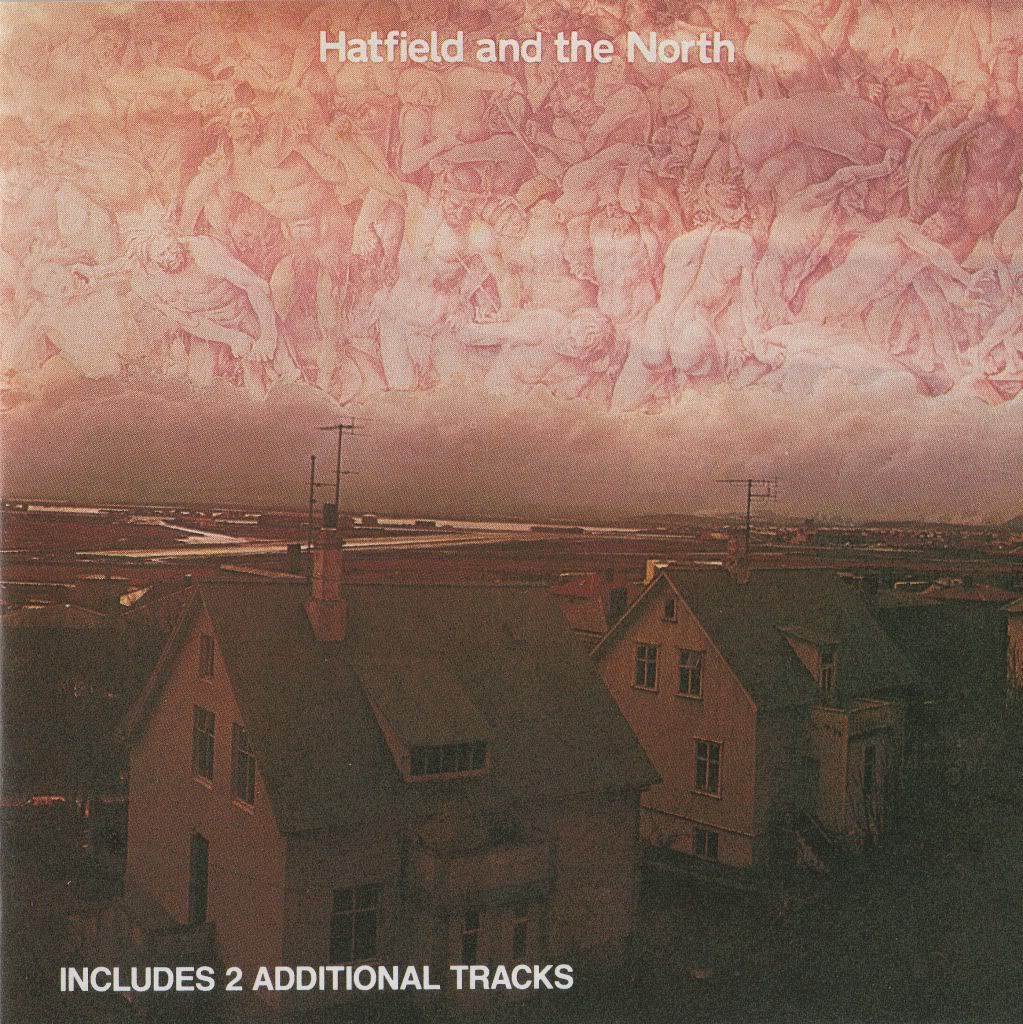
Hatfield and the North - Hatfield and the North


To delve further into the dense stuff of the Canterbury Scene, Hatfield and the North's 1974 debut is a great place to explore how the scene evolved both personnel-wise and sound-wise as the 70's wore on.  By this time Soft Machine was firmly on a jazz-heavy fusion route, with Robert Wyatt long-since departed, finished with his next project Matching Mole, a paraplegic and releasing his first masterpiece, Rock Bottom, the same year.  Gong and Caravan were already very different bands, with drummer Pip Pyle gone from Gong (to drum for Hatfield and the North) and guitarist Steve Hillage added to the fold, and bassist Richard Sinclair departing Caravan, also to work with the Hatfields.  By the time of this album's recording, the core group was rounded out by Egg (among other groups) keyboardist Dave Stewart and Matching Mole/Delivery guitarist Phil Miller.  My intention isn't to get overly cluttered with names and group references, but rather to show just how intermingling the Canterbury Scene was (and continues to be, to some extent)--Hatfield and the North can in some ways be considered the first Canterbury supergroup as it was formed from members who had already demonstrated their abilities on the classic albums of other Canterbury groups.

Sound-wise, Hatfield and the North amply demonstrates how the Canterbury sound continued to get more sophisticated, more refined, and jazzier.  Unlike mid-70's Soft Machine (or the trace jazz elements found in Caravan, for example), Hatfield and the North's debut sound is one of fusion of jazz harmony, complex composition and improvisation with appealing, gentle melodies.  The complexity of these compositions is far from the relative pop-simplicity of Caravan's songs, yet Richard Sinclair seems to have no trouble accommodating his bass skills to the material.  And don't think that this group is just going to sound like a summation of all the things the members did before--this album is rife with seamless transitions and sub-one-minute segue tracks, and the mission of the vocals (the lyrics for which are mostly tongue-in-cheek nonsense) seems to be to give listeners an accessible insertion point into what's often complex and difficult-to-get-the-first-time music.

Though it's not his group, per se (at least not as much as later incarnation National Health was), Dave Stewart's keyboards provide the most noticeable framework for this music--fluidly transitioning between Rhodes electric piano, Hammond organ, various synthesizers and acoustic piano to provide both texture and melodic substance.  "Son of 'There's No Place Like Homerton'" boasts some of the most Egg-like contrapuntal puzzle keyboard of the album, with a complex, ever-shifting atmosphere abetted by airy, ethereal contributions of the "Northettes" (background singers Barbara Gaskin, Amanda Parsons and Ann Rosenthal, who also contributed to Egg's Civil Surface album, released the same year).  Robert Wyatt guest vocalizes on "Calyx," eventually joined by Richard Sinclair in a delicate, wordless duet.  It's these kinds of complex but unassuming moments that make Hatfield and the North's two albums so rewarding on repeated listens.

I have to admit that it took me quite a few before my attitude shifted from mere respectful appreciation to all-out enthusiasm--I'm beginning to think that there's something about the language of jazz harmony that's fundamentally different from that found in most rock and pop--you have to have to acquaint yourself a certain amount with it before it stops just sounding like silly noodling and the multiple facets possible with extended harmony start to shine through.  The songs here don't often "rock out" (even by Canterbury's gentle standards), and the often major-key extended harmonies are much more reminiscent of later smooth jazz music than their darker minor counterparts being explored by Soft Machine and Henry Cow.  The band does manage to get pretty uptempo and a little more aggressive in sound on the fast-paced "Rifferama," which features Gong saxophonist Didier Malherbe and on which Dave Stewart coyly quotes the "I Never Glid Before" melody.  "Shaving is Boring" is likely the album's most epic composition, treading some darker territory with some Mahavishnu Orchestra-like ostinato patterns, gnarly Canterbury fuzz organ and an uncharacteristically distorted and noticeable contribution from Phil Miller's guitar (we won't quite get to see him cut loose until National Health's Of Queues and Cures, which fulfills all of Hatfield and the North's promise and then some).  Richard Sinclair does his best Robert Wyatt in the vaguely sexual "Licks for the Ladies," displaying that his sometimes subdued vocals aren't without a considerable amount of nuance.  He also manages some of the album's funniest quirky Canterbury nonsense vocals when "Big Jobs No. 2" recapitulates the second track with metacommentary on the band's hopes for commercial success.

It's interesting to see how all of these Canterbury figures continued to develop their distinct but collective musical visions while at the same time working for some kind of commercial success.  As the band morphed into National Health and progressive music became less and less popular in the late 70's, it became clear that the golden days of having label support and a mouthpiece through which to broadcast these ideas were drawing to a close.  Luckily several of these musicians have soldiered on to make more worthwhile music, but we also have a legacy of densely enjoyable recordings and ideas to engage in the present.  This album is warmly recommended along with the band's sophomore effort The Rotters' Club, as well as National Health's self-titled debut and the aforementioned Of Queues and Cures--more thoughts on those records later!

Get it here.

Monday, January 16, 2012

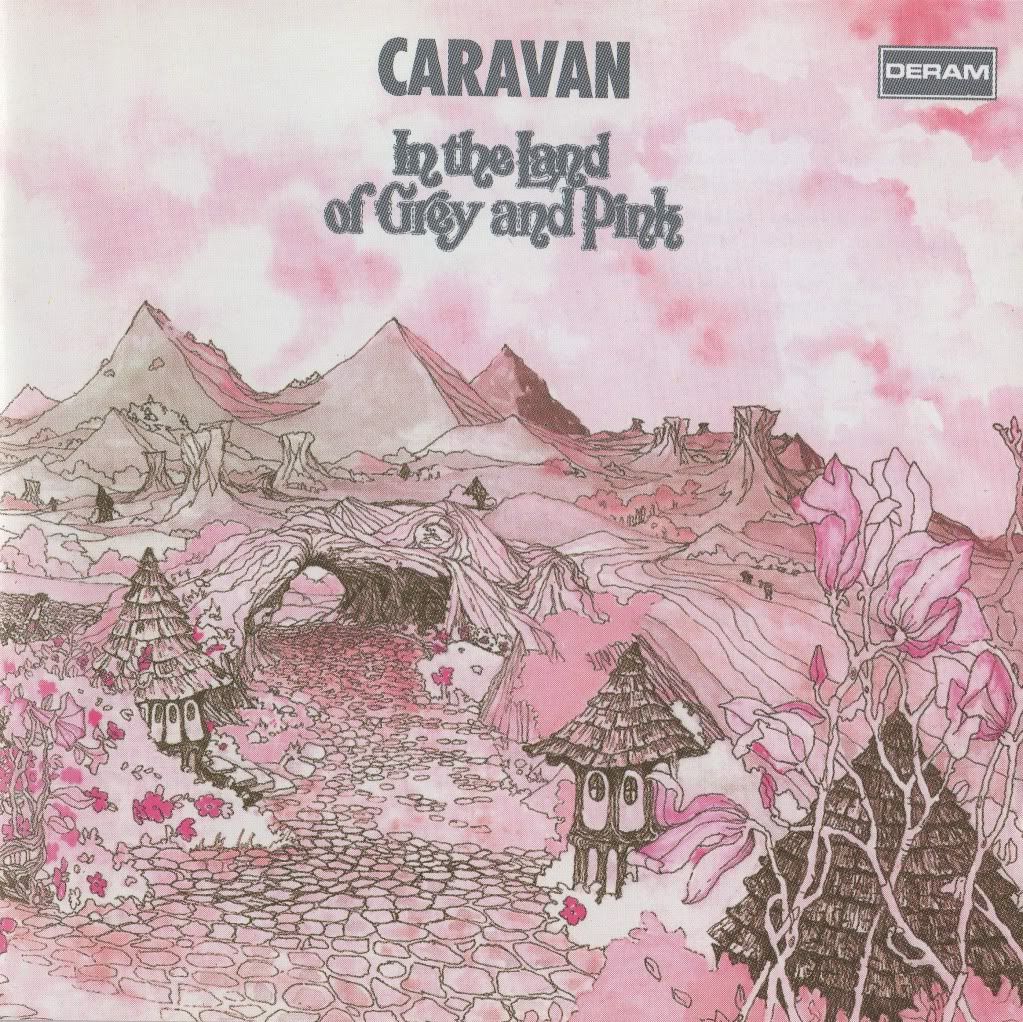
Caravan - In the Land of Grey and Pink


It's been a while since I've written about any Canterbury Scene bands, and I'd still like to further explore how the music has expanded past its original physical scene into a recognizable style, but also what it was like when the style and membership of the scene was still concentrated in just a few bands.  You can't do that without talking about Caravan, which--aside from Soft Machine--probably has the most members closely tied with the early Canterbury Scene.  Like Soft Machine, Caravan started in the late 60's, boasting members from the formative Canterbury band Wilde Flowers.  Also like Soft Machine, Caravan was instrumental in defining what has come to be known as the Canterbury sound, although in a considerably different way from the Softs.  Even at its early poppiest, Soft Machine's sound was always firmly rooted in jazz, while I'd say Caravan is more tied to psychedelic rock with some elements of jazz and progressive, and by most accounts they perfected this distinctive blend with this, 1971's In the Land of Grey and Pink.

In case you were worried, the bouncy opener, "Golf Girl" assures us of this album's origin--the trombone, flute, juiced-up organ and goofy lyrics ("on the golf course/we talk in Morse") are undeniably Canterbury.  Compared with Soft Machine, though, this is definitely rock, and while it seems Robert Wyatt was mostly just screwing around (albeit quite entertainingly) with his lyrics, there's a sincerity with Richard Sinclair's words and delivery that adds a dimension of warmth to Caravan's whimsy.  "Winter Wine" turns a 180, with a psychedelic folk bent and a bunch of fantasy imagery that seems to support the album cover (which, by the way, is fucking awesome--I want to go there).  Though Sinclair's vocals do seem a little inconspicuous on first listen, a surprising amount of nuance becomes apparent when you come to learn the songs a bit better.  The mutual Canterbury influence is apparent in how he and guitarist/vocalist Pye Hastings make up a sort of two-man approximation of Wyatt--Hastings' vocals rest in the thin, upper register Wyatt treads so often (check out the delirious cowbell pop of "Love to Love You (And Tonight Pigs Will Fly)", while Sinclair's lower range seems to prefigure the fragile humility so often found in Wyatt's post-Soft Machine work. 

The title track revisits the "Golf Girl" feel with some more stoner-hippie-fantasy-nonsense imagery ("we'll pick our fill of punk weed and smoke it it till we bleed--that's all we'll need") as well as some sparkling piano and a great organ solo.  I find it interesting how the band employs a classic Canterbury (Mike Ratledge) innovation like the fuzz organ, but use it in a totally different way.  This brings me to the epic, side-long closer "Nine Feet Underground," which assures us without a doubt that Caravan's lead solo instrument is Dave Sinclair's organ.  While the other Canterbury groups are no strangers to long solos, Caravan seems content to set up a fairly straightforward rock riff-based jam and allow Dave Sinclair to stretch out with several minutes-long organ solos.  While it's a repetitive approach and Sinclair's style is nowhere near as technically erudite as Mike Ratledge's or Dave Stewart's, for example, there's something about Caravan's hazy/catchy psychedelic atmosphere and the tone and Sinclair's tone and note choice that just clicks perfectly.  It's amazing how well a 22 minute-long song can mostly subsist on jams and organ solos (though Pye Hastings and Richard Sinclair each contribute a vocal section) but I think it owes to memorable, melodic chord progressions and Sinclair's willingness to effectively alter the tone and effects of his instrument to expand his ideas and change up the palette.  The song's conclusion pits barnstorming riff sections against some of Sinclair's most groovily aggressive soloing (though some say it rips of "Sunshine of Your Love," I'm not sure Cream can really lay creative claim to an entire musical interval--suffice to say the two riffs are similar-sounding and Cream's came first).  Amazing--that is, if you like longform jamming.

It seems there's a Canterbury Scene band for every mood and season (well, not really, but the scene demonstrates surprising depth while still conveying a distinctive sound), and for me Caravan is the catchiest, most mainstream of the lot, which is probably why they remain one of the bands who is more often discovered by younger listeners, even achieving mention in Mojo, which sports nary a mention of most other Canterbury luminaries, except Robert Wyatt, who seems to show up several times an issue these days.  This album is warmly recommended to psych/prog fans as well as Canterbury disciples, and it's worth mentioning that If I Could Do It All Over Again, I'd Do It All Over You and Caravan for Girls Who Grow Plump in the Night are nearly as rewarding.

Get it here, or deluxe here.

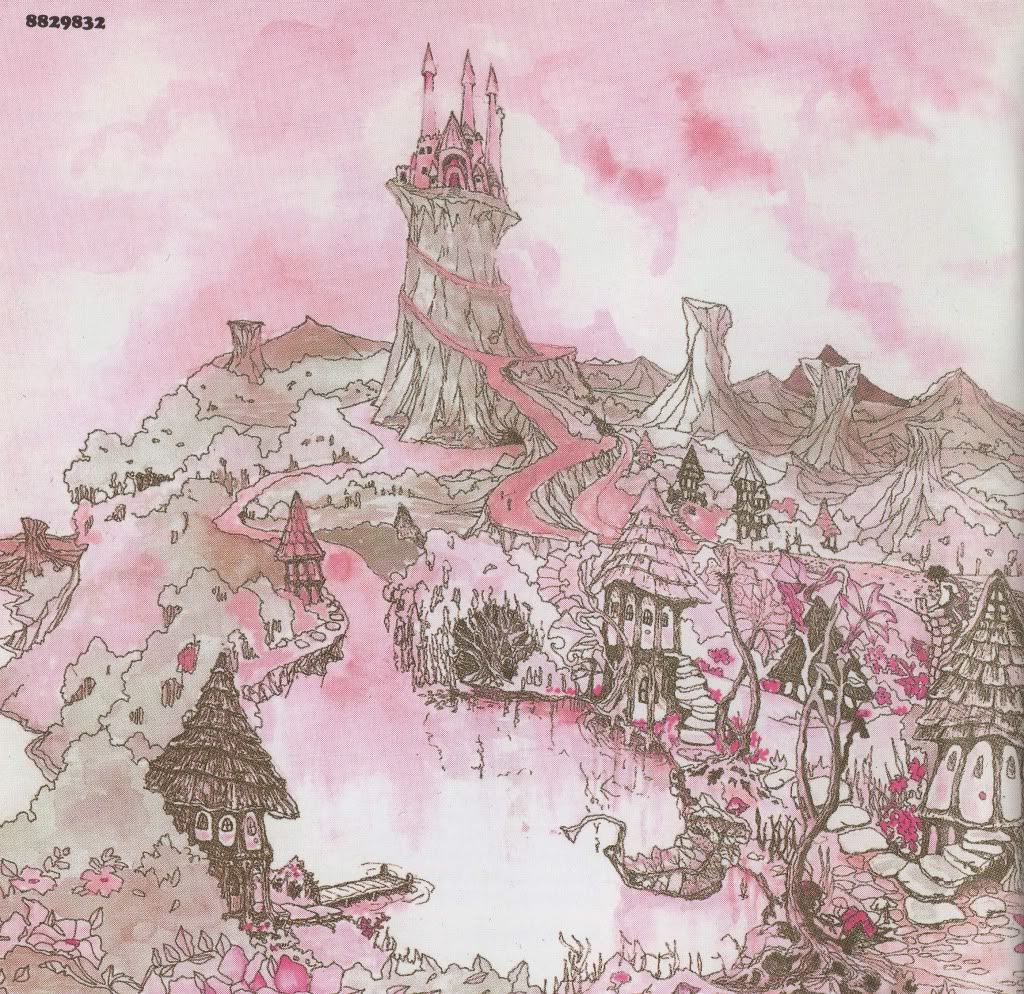
Please enjoy the back cover, too:

Saturday, January 14, 2012

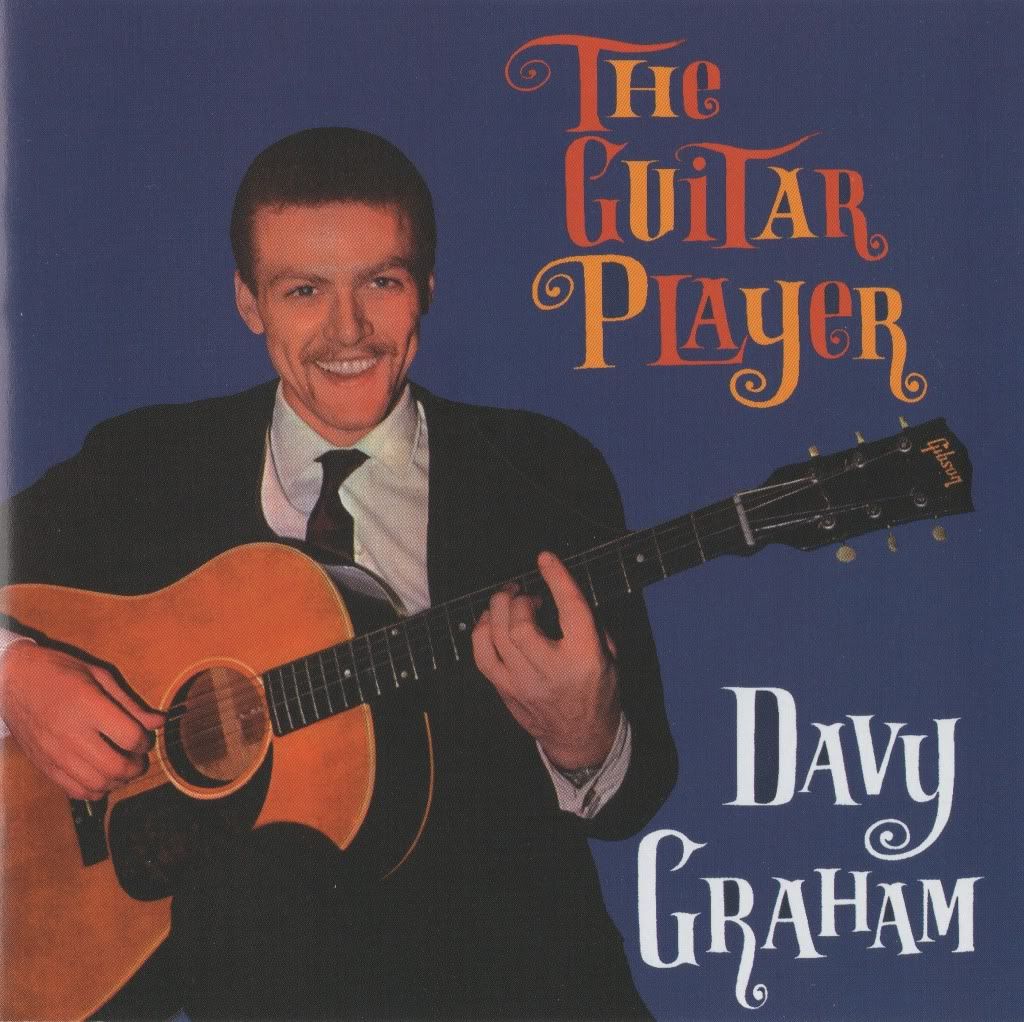
Davy Graham - The Guitar Player


If you're interested in delving into the influential and often mind-blowing rabbit hole that is Davy Graham's guitar playing and inimitable fusion of jazz and blues with folk from across the world, I urge you not to start here!  That's right, it's another installment of the only-very-occasionally-controversial Know Your Enemy series.  This time it's not really poor Davy or his fleet fingers, but rather his presumed audience who's the enemy.  It's got to be pretty much impossible to reckon how many great artists' originality and instincts have been stifled (either by their record labels or by themselves) in hopes of presenting their music as inoffensive and appealing to the largest and most middle-of-the-road audience possible.  By this album's 1963 release, Davy had already been doing the things that made him a legend among many British musicians who would find considerably more fame (things like showing up to a party and playing a single-guitar arrangement of Ravel's Boléro).  Instead of committing his unrivaled guitar excursions to tape, Pye subsidary Golden Guinea decided it would be more commercially accessible to pair Graham with a jazz session drummer and record an inoffensive mix of jazz and blues standards.

And so, we have The Guitar Player, whose title and cover promises an aural vision of Graham it doesn't deliver, at least in relation to his historical reputation.  We get "Take Five" and "Cry Me A River" (an earlier filmed version of which secured Graham this record deal) as well as Cannonball Adderly's "Sermonette."  While the material is in places somewhat mundane, Graham's playing is always flowingly organic (the tempo ebbs and flows with quite a bit of endearing imperfection) and it's fascinating to hear him collapse all the vocal and instrumental parts of a song like "Ray Charles' "Hallelujah, I Love Her So" into a single fingerstyle guitar part.  Disappointingly, most of the songs veer toward jazzy blues (or maybe bluesy jazz, as many Graham's mini-fills tend to riff on blues scales), though there are a few outliers that hint at the man's true passion--"The Ruby and the Pearl" injects a satisfying amount of minor Latin into the mix (and the drummer manages to play the sticks in a considerably more complementary way than he often does elsewhere, or maybe it's the fact that it's just acoustic guitar and drums that makes some of the arrangements sound  just a bit hollow).

Re-listening to this album, I'm reminded how much of a joy it is to listen to Graham's guitar playing, no matter what the context--sort of the guitar equivalent of saying you'd be OK listening to your favorite singer singing names out of the phone book.  It's just the knowledge that Graham had much bigger ideas to share and the way the songs are all so self-consciously happy sounding that rings somewhat forced.  The liner notes Davy writes "I sincerely hope you enjoy this record either to listen to or as a background to a good conversation," which just about sums it up--cowering in submission to your hoped-for audience so very rarely produces the stuff from which legends are born.  The CD reissue of this album seems determined to apologize for the original album's timidness, including examples of what actually made Graham legendary (raga-infused Irish folk in "She Moved Thru' The Bizarre/Blue Raga," Greek folk in "Miserlou" and a considerably more eclectic selection of songs from Graham's later-70's All That Moody, including his legendary instrumental "Anji").  Still, the unfortunate truth is that, pleasant as it is, this album doesn't come close to doing Graham's contributions justice.  While Graham would have career-long troubles finding a marketable niche for himself and regularly seemed to make artistic choices in hopes of endearing himself to an intangible audience, he at least managed to create a concurrent legacy of music that more successfully represented his unique and unprecedented vision.  While it's frustrating that he never produced an epic, vocal-less collection of his genre-shattering experiments (I'm sure partly owing to the fact that solo acoustic guitar as a genre was pretty much just getting going in the early 1960's), there are much better places to start than The Guitar Player.

You can get it here.